
Flip on the Coast: A Field Case Study in Safe
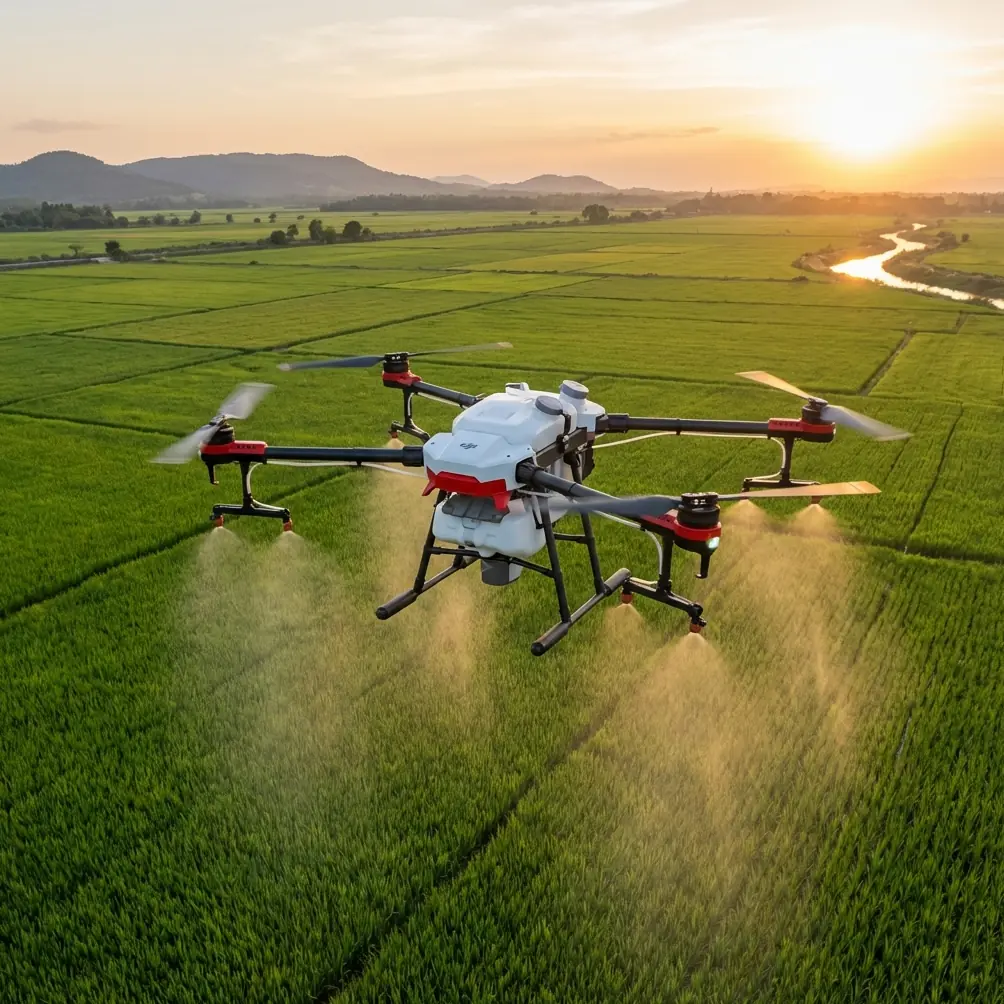
Flip on the Coast: A Field Case Study in Safe, Cinematic Shoreline Work
META: A real-world Flip case study for coastal creators, covering obstacle avoidance, ActiveTrack, D-Log, Hyperlapse, battery strategy, and why offshore drone awareness matters near North Sea-style environments.
Coastlines look simple from the ground. From the air, they are anything but.
You have wind curling off cliff faces, salt haze flattening contrast, birds crossing frame without warning, and a horizon that can make even experienced pilots rush their settings. Add the psychological pull of open water and many operators start flying farther than they should, often without fully thinking through what else may share that airspace.
That last point matters more than people admit. Recent reporting on drone sightings near North Sea drilling rigs put a spotlight on offshore awareness. OEUK called the incidents “concerning,” while also saying they “did not threaten the safety of the offshore installations.” Those two details sit together for a reason. No direct safety consequence was reported, yet the sightings were serious enough to raise concern. For anyone flying a compact platform like Flip around coastlines, that distinction is operationally useful: a flight can feel harmless and still create risk, attention, or uncertainty in a sensitive maritime environment.
I’ve been thinking about that while using Flip for coastal image work. Not around rigs, not near restricted infrastructure, and not for anything sensational. Just shoreline storytelling: sea walls at dawn, eroded rock shelves at low tide, winding surf lines, harbor edges, and cliff paths where a small aircraft can reveal patterns the ground hides.
This is a case study from that perspective. Not a brochure. Not theory. A practical account of how Flip fits coastal capture when the goal is clean visuals, controlled flight, and good decisions near complex terrain and offshore-adjacent spaces.
Why coastal flying punishes sloppy habits
Coastal work exposes weaknesses fast.
A sheltered park can hide rough stick inputs. A beach won’t. A forgiving inland skyline can tolerate poor exposure choices. Reflections off water won’t. Even battery judgment changes near the sea, because returning against coastal wind is often harder than the outbound leg suggests.
That is why I like Flip for this kind of work when I stay disciplined. The appeal is not just portability. It is the combination of features that reduce workload while still leaving room for deliberate image-making: obstacle avoidance to help in cluttered cliffside areas, subject tracking through ActiveTrack when I need movement with consistency, QuickShots for repeatable reveal sequences, Hyperlapse for tidal and cloud motion, and D-Log when I know the final grade matters.
Those tools are familiar terms on paper. On a coastline, they stop being marketing vocabulary and start becoming decisions with consequences.
The assignment: documenting a changing shoreline
The brief was simple. Capture a small stretch of coast over two sessions, one at low tide and one just after sunrise, for a visual story about landscape change and seasonal movement. The location included:
- a narrow cliff path with uneven vegetation
- a rock shelf exposed only at lower water levels
- a curved beach with reflective wet sand
- a harbor-side edge where man-made structures interrupted the natural line of the coast
That mix made Flip useful because the day required both precision and speed. Some sequences needed careful path planning close to terrain. Others depended on catching short bursts of light before the surface of the water turned visually flat.
The challenge wasn’t dramatic flying. It was restraint.
The offshore lesson every coastal pilot should internalize
The North Sea report is not a side note. It is part of the same conversation.
When drone sightings are reported near drilling rigs, and an industry body says the incidents are “concerning,” that tells us something about perception, accountability, and environment. Offshore and near-offshore areas often contain industrial assets, support traffic, marine logistics, and operational zones that may not be obvious from a scenic overlook on land. The fact that the reported sightings did not threaten the installations should not be read as permission or harmlessness. It should be read as a warning that intent and outcome are not the same thing.
For a coastal creator using Flip, the operational takeaway is clear: your mission planning has to extend beyond the picture. If there is offshore infrastructure in the broader area, even distant to your eye, you need to know where it is, whether your line of sight could tempt you toward it, and how you will maintain a conservative buffer. Open water creates false confidence. Distances look smaller. Horizons encourage drift.
I never plan coastal flights by image alone anymore. I plan them by exclusion first. Where am I not going? What structures, vessel routes, and industrial zones are off limits? That shift makes every other creative decision easier.
How Flip handled the terrain
The first session started inland and moved toward the cliff edge, where coarse grass and low shrubs narrowed the workable launch options. This is exactly where obstacle avoidance matters. Not because it replaces judgment, but because shoreline terrain often creates awkward transitions between takeoff, climb, and framing.
With Flip, that added layer of awareness helped me move from launch to a safe, stable working height without turning the first thirty seconds into a stress test. On a cliff path, confidence during the departure phase matters. Rushed starts lead to poor camera setup, overcorrection, and bad orientation habits near edges.
Once clear, I used ActiveTrack on a walking subject along the path. This is one of those moments where subject tracking earns its keep. A coastal path curves unpredictably. The sea grabs your eye. Terrain pulls your framing sideways. ActiveTrack let me focus on composition instead of micro-managing every small directional change. The result was not flashy. It was smoother, which is usually better.
Operational significance: on the coast, reducing stick workload lowers the chance of drifting into terrain or losing framing when wind gusts hit. A feature like ActiveTrack is not just about convenience. It frees attention for the environment.
QuickShots that actually make sense by the sea
QuickShots can be overused. Around coastlines, they make sense only when the geography supports them.
I used one for a rising reveal from behind a dune edge where the beach opened in a clean arc. Done manually, that move is easy to make uneven because the reveal timing changes as the wind shifts. Letting Flip execute a repeatable motion gave me a more polished sequence with less wasted battery.
That last part matters. Shoreline shooting often involves waiting for wave rhythm, foam patterns, or people to clear frame. Repeating the same move multiple times manually burns energy and attention. A compact drone works best when every movement has a purpose.
My battery management rule from field experience
Here’s the battery tip I wish more coastal pilots treated seriously: on shoreline jobs, I mentally divide the displayed battery level into three parts, not one.
The first segment is for setup mistakes and repositioning. The second is for the actual shot list. The final segment is not “remaining battery.” It is the wind tax.
Sea breeze changes character fast. What feels light while moving downwind along the coast can become stubborn resistance on the return, especially if you descended for lower-angle passes over rock shelves or wet sand. I do not spend deep into that final segment unless I’m already close and landing. If I’m over water-facing terrain, I come home earlier than my instincts want to.
That habit has saved more flights than any single camera feature.
One morning, the light was beautiful and the temptation was obvious: one more lateral pass, one more orbit around a stack of exposed rock. But the return route climbed into a headwind that had strengthened while I was focused on the sea state. Because I had left room for the wind tax, the recovery was calm instead of uncomfortable.
People talk about batteries as a spec. In the field, battery management is really a judgment system.
D-Log on bright water: where Flip stops looking “small”
Mid-morning coastal scenes can be brutal for dynamic range. Sunlit foam, dark crevices in the rocks, pale sky, and reflective water all sit in the same frame. This is where D-Log gave me the flexibility I wanted.
I’m selective with flat profiles. Not every job needs grading latitude. But the coastline is one place where it pays off. In the final grade, I could hold detail in the highlights of breaking waves while keeping texture in the darker cliff face. More importantly, I could shape color without turning the sea into a cartoon.
Operational significance: a compact drone becomes more useful for serious visual work when you can protect highlight information in difficult mixed-contrast scenes. On the coast, that is often the difference between footage that feels disposable and footage that feels authored.
Hyperlapse and the rhythm of tide
The second session was less about movement through space and more about movement through time.
I set up Hyperlapse for a harbor-adjacent sequence where clouds were pushing inland and the tide was beginning to cover the lower sand. This kind of shot can become messy if the scene has too many competing elements, so I kept the frame simple: shoreline curve, harbor edge, and enough sky to show motion without letting it dominate.
Hyperlapse works on the coast because tides and clouds provide natural visual structure. The shot does not need gimmicks. It needs stability and patience. Flip made that kind of sequence realistic in a small-footprint workflow, which matters when you are moving between tide windows and don’t want to carry a larger setup all day.
Obstacle avoidance is not a substitute for coastal judgment
I trust obstacle avoidance as support, not as permission.
Cliffs, poles, signs, scrub, and irregular rock faces create visual complexity that can trick pilots into becoming either overconfident or overly timid. The right approach is somewhere in between. Let Flip help, but assume the coast can still surprise you. Wind eddies near headlands and uneven rises above cliff edges can produce odd behavior that no feature should be expected to solve by itself.
I mention this because coastal flying tends to seduce people into cinematic thinking before they have finished the safety thinking. The North Sea rig sightings are a useful reminder of the broader principle: concern begins before damage. Responsible operation is not measured only by whether something bad happened.
The human part of the shoot
What I liked most from this assignment was not a single hero shot. It was the collection of smaller, disciplined choices that added up.
A tracked walking sequence that stayed smooth despite crosswind.
A dune reveal that did not waste five attempts.
A graded sunrise pass where the water kept its texture.
A Hyperlapse that showed the place changing without overexplaining it.
Flip fit that style well because it supported momentum. Coastal work often rewards compact systems not for their size alone, but for how quickly they let you move from observation to execution while the scene is still alive.
If you’re planning your own shoreline workflow and want to compare notes on setup, flight style, or feature choices for places like this, I’ve shared field questions here: message me directly.
What this means for Flip users shooting the coast
If your goal is to capture coastlines with Flip, here is the real takeaway.
Use the smart features, but use them with intention. ActiveTrack helps when the land path is the story. QuickShots are strongest when the terrain naturally supports a reveal. Hyperlapse shines when tide and weather are doing the heavy lifting. D-Log is worth the effort when bright water and dark land share the frame. Obstacle avoidance helps most in the transitional moments near launch, terrain edges, and cluttered approach zones.
And above all, think bigger than the shot. The reported drone sightings near North Sea drilling rigs underline something every civilian operator should understand: a drone flight can attract concern long before it causes direct harm. OEUK’s wording matters because it separates consequence from seriousness. For coastal operators, that means respecting offshore-adjacent environments, maintaining clear distance from industrial assets, and resisting the visual pull of open water when it leads toward spaces that are not yours to enter.
That mindset makes better footage, too. The more disciplined the flight, the more attention you can give to timing, framing, and light.
That is what this case study came down to in the end. Flip was not the story by itself. The story was what happened when a compact drone, a careful plan, and a complex coastline met under real conditions.
Ready for your own Flip? Contact our team for expert consultation.