
How Flip Handles Urban Forest Captures When Drone Demand Is
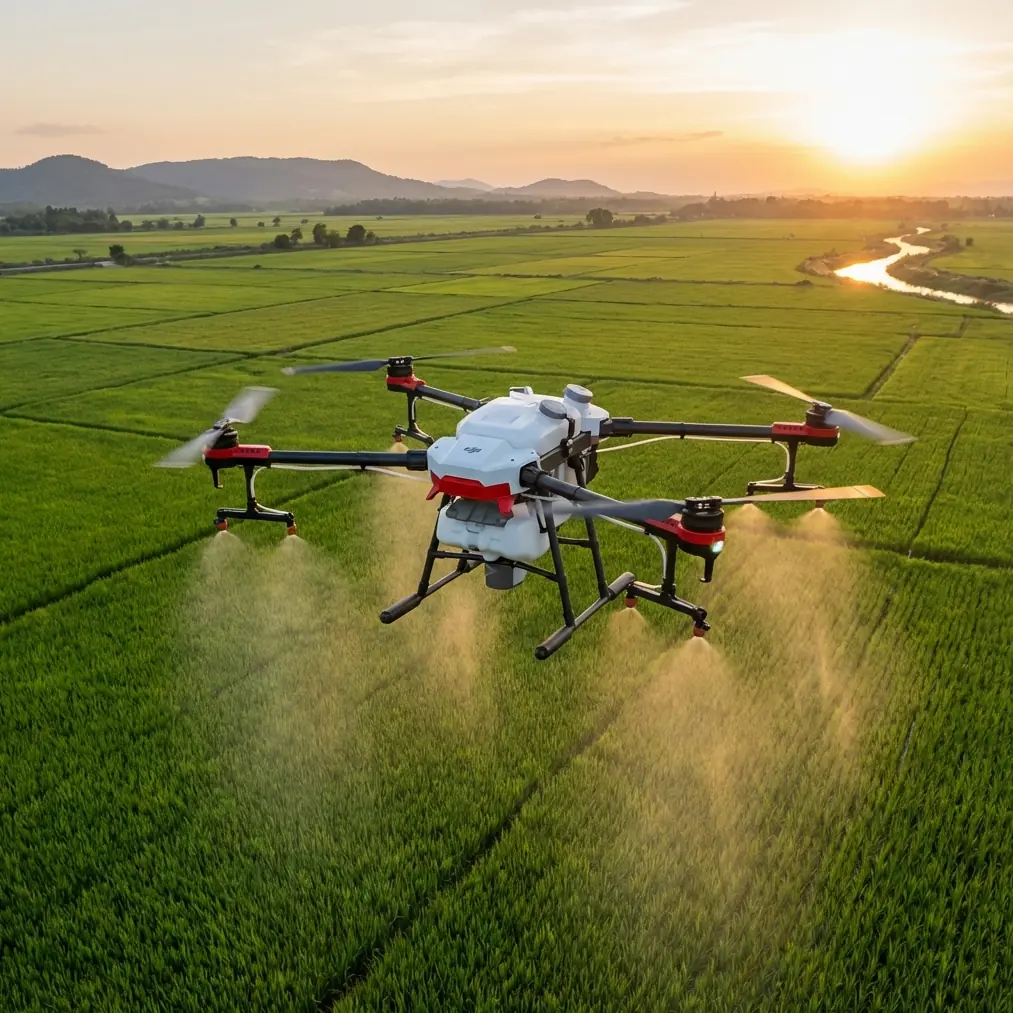
How Flip Handles Urban Forest Captures When Drone Demand Is Measured in the Hundreds of Thousands
META: A technical review of Flip for urban forest photography, covering obstacle avoidance, ActiveTrack, D-Log workflow, and why manufacturing scale matters for real-world reliability.
Urban forest photography looks simple until you actually try to do it well.
Trees create vertical clutter. City parks add unpredictable movement. Light changes fast as the aircraft passes from open sky into shaded canopy edges, then back again over reflective glass and concrete. A drone used in that setting has to do more than fly. It has to read depth cleanly, hold a subject without drifting into branches, and preserve image latitude when the scene swings between dark foliage and bright rooftops.
That is where Flip becomes interesting.
There is also a bigger industry backdrop worth paying attention to. A recent report cited an outside estimate that China may be producing as many as 700,000 drones per month, then argued even that number may be too low. That detail matters for more than headlines. When a manufacturing ecosystem operates at that scale, the practical result is not just volume. It tends to influence sensor availability, component refinement, repairability, firmware maturity, and the speed at which flight features move from premium niches into tools ordinary creators can depend on in the field.
For a photographer working urban tree corridors, riverside parks, botanical spaces, or green belts between buildings, that industrial scale has a very real consequence: sophisticated flight assistance is no longer rare. It becomes expected. Flip sits inside that expectation, and its value shows up most clearly in difficult but common city-nature scenes.
Why urban forests are a harder test than open landscapes
Open terrain lets almost any competent camera drone look good. Urban forests are less forgiving.
Branches overlap in layers. Pathways curve under partial cover. Joggers, cyclists, dogs, and maintenance vehicles introduce moving variables. If you are filming from low altitude for a sense of immersion, your margin for error shrinks quickly. In those conditions, three systems matter more than spec-sheet bragging rights:
- obstacle avoidance
- subject tracking
- color and tonal control in post
Flip’s relevance starts there.
Obstacle avoidance is not a decorative feature in urban green spaces. It is a survival feature for the shot. When the drone transitions from a clear launch area toward a tree-lined route, depth sensing has to remain dependable against fine detail, broken light, and inconsistent contrast. Leaves and thin branches are notoriously tricky compared with walls or large structures. A drone that handles this transition confidently gives the operator more room to focus on composition instead of constant evasive correction.
Then there is subject tracking. In city parks and wooded trails, the subject rarely moves in a perfectly clean line. They weave around benches, pass under intermittent canopy, and are partially occluded by trunks or shrubs. ActiveTrack-style functionality becomes operationally significant because it reduces the amount of manual reframing required while the pilot also manages clearance and exposure. That shifts the workload from frantic stick inputs to higher-level creative decisions.
Finally, D-Log matters because urban forests often contain the hardest contrast mix a small drone camera faces: deep shade below, bright sky gaps above, and reflective man-made surfaces nearby. A flatter profile creates more room to shape the scene later without crushing foliage detail or blowing highlights in the skyline.
The pre-flight step many pilots skip, and why it matters for Flip
Before any talk of QuickShots or Hyperlapse, there is a small pre-flight habit worth adopting: clean the vision sensors and camera glass.
Not casually. Deliberately.
Use a soft lens cloth and inspect for fingerprints, dust, moisture spots, and pollen residue. Urban parks are full of all four. This is not cosmetic maintenance. On a drone relying on obstacle sensing and tracking, a dirty sensor window can affect how confidently the aircraft interprets depth and motion. Smudges also lower contrast in footage, which is especially noticeable when sun breaks through leaves at a low angle.
That one-minute cleaning step is one of the best risk-reduction habits for forest-edge work. Safety features only perform as well as the visibility they are given.
I would pair that with a second check: confirm there are no tiny fibers caught near the camera housing or vents after storage in a bag. City shoots often involve moving between pavement and grass, and lint buildup is more common than many pilots realize.
Flip as a camera platform for forest textures in the city
From a photographer’s perspective, Flip is most compelling when the assignment is not broad aerial surveying but visual storytelling in constrained spaces.
Urban forests are texture-rich subjects. Bark, layered leaves, winding paths, railings, footbridges, and apartment towers behind the tree line create a depth story that can either look cinematic or chaotic. A drone has to separate planes clearly. That means stable motion, controlled tracking, and footage that holds color detail in green-heavy environments.
Green scenes are harder to grade than many people think. Dense foliage can turn muddy if the codec or profile does not retain enough tonal nuance. D-Log enters the workflow here as a practical tool, not a trend term. It gives more flexibility when balancing the cooler shadows under canopy against the warmer light striking open clearings. For photographers who want an editorial or documentary finish rather than overprocessed social clips, that extra control matters.
The same goes for Hyperlapse. In urban forests, Hyperlapse is not just for dramatic skyline movement. It can reveal how a park breathes over time: shadows sliding across a tree-lined lane, pedestrians threading through a green corridor, traffic flickering at the edge of a wooded block. When done carefully, it shows the relationship between natural structure and urban rhythm. Flip fits that use well if the operator plans a path with clean lateral separation from branches and verifies sensor clarity before launch.
ActiveTrack in cluttered green spaces
Subject tracking gets oversold in marketing and underspecified in practice. In urban forest settings, what matters is not that a drone can follow a person in ideal conditions. What matters is how usable the feature remains when the environment interrupts visual continuity.
ActiveTrack becomes genuinely useful when filming a runner on a park trail, a cyclist passing through an avenue of trees, or a walking portrait sequence with city architecture peeking through the canopy. In those scenes, manual flight alone often produces either stiff framing or overcorrection. Tracking reduces the strain.
Its operational significance is twofold.
First, it helps preserve composition while the pilot monitors surrounding branches and changing airspace. That division of labor is critical in environments where the line of sight shifts constantly.
Second, it makes repeat takes more consistent. If you are trying to capture the same movement from slightly different heights or angles, reliable subject tracking reduces random framing drift between takes. That saves time, which matters when light is moving fast through tree cover.
Still, no tracking mode should be treated as a substitute for judgment. Dense foliage, low side light, and partial occlusion can all complicate automated following. The smart approach with Flip is to use ActiveTrack as an assistant, not an excuse to stop flying attentively.
QuickShots that actually suit urban woodland scenes
QuickShots often get dismissed as beginner tools, but that misses their practical value in locations where setup time is limited.
In a city forest environment, repeatable automated moves can be useful for quickly establishing the geography of a scene. A controlled pullback from a clearing can reveal how a pocket of trees sits inside a dense urban block. A rising movement can expose the transition from footpath to canopy to skyline. Those are not trivial shots. They are narrative bridges.
The reason Flip benefits from this category of feature is consistency. If you are shooting a short project about green spaces in the city, standardized motion patterns help tie together multiple locations. One park, one rooftop garden edge, one riverside tree belt—captured with comparable movement language—creates editorial cohesion.
Again, pre-flight cleanliness matters here. Automated moves depend on clean sensing and clear optics, and these are exactly the kinds of shots where flare or reduced contrast from a fingerprint can quietly ruin otherwise polished footage.
What manufacturing scale tells us about drones like Flip
The reference report about China’s drone output is not just an industrial curiosity. The cited outside estimate of 700,000 units per month, combined with the claim that real capacity may be even higher, signals something fundamental about the market.
This is what scale changes:
1. Flight intelligence becomes less exclusive
Features such as obstacle avoidance and advanced tracking are more likely to reach a wider user base when production ecosystems are this deep. The result for Flip users is that sophisticated assistance is not a rare luxury add-on. It becomes part of the baseline expectation for safe, creative operation in difficult spaces.
2. Reliability expectations rise
When manufacturing volume is massive, users stop excusing inconsistency. They expect polished firmware behavior, stable parts supply, and mature integration between camera, sensors, and flight controls. That is relevant to urban forest shooters because marginal environments expose weaknesses quickly.
3. The creative standard gets higher
As more drones enter the field, basic aerial footage is no longer distinctive by itself. The bar moves toward controlled motion, cleaner color, and better scene interpretation. Flip is most valuable when used with that higher standard in mind, especially in environments where natural and built elements compete for attention.
In other words, large-scale drone manufacturing does not just flood the market with hardware. It raises the level of operational expectation around every shot.
A practical shooting approach for Flip in urban forests
If I were building a repeatable workflow around Flip for this exact scenario, it would look like this:
Start in an open launch zone with a full sensor and lens wipe. Check for pollen, moisture dots, and fingerprints. Calibrate only as needed, not compulsively, but verify that the aircraft is reading the environment cleanly.
Then capture a high establishing pass to understand canopy height, branch density, and possible wind drift near buildings. Urban green spaces often have inconsistent airflow because trees and structures break the wind differently at different heights.
Move next into lower, slower tracking shots. This is where ActiveTrack can earn its place, especially on gently curving paths. Keep altitude conservative and avoid asking the aircraft to thread through tight branch structures just because obstacle avoidance exists. The best footage usually comes from clean separation, not bravado.
After that, collect one or two QuickShots for structural context. These can serve as transitions in the final edit.
Finally, if the light is changing and the location supports it, build a Hyperlapse sequence from a safe, predictable position with minimal branch intrusion. Urban forests become visually richest when time compression reveals how sunlight and human movement flow together.
Throughout, shoot with post-production in mind. D-Log is most useful when the scene has genuine dynamic range stress. If the goal is a refined visual piece rather than instant delivery, it gives you better control over foliage density and highlight retention.
Where Flip makes the most sense
Flip is not most interesting when used as a generic flying camera over open, empty ground. It becomes more meaningful in environments that demand both restraint and intelligence.
Urban forests are exactly that kind of environment. They test obstacle sensing without turning the flight into a stunt. They reward subject tracking without making automation the whole story. They expose weak color handling immediately, especially in green-heavy shade. And they punish lazy pre-flight habits.
The broader drone industry context strengthens this point. When reports suggest monthly output in China may exceed an already huge 700,000-unit estimate, the implication is clear: the market is operating at a scale where capability alone is not enough. Execution matters. For the person using Flip to capture city greenery with precision, that means choosing features for what they solve on location, not for how they sound in a feature list.
If you are planning a real shoot and want to compare workflow options for tree-lined urban scenes, you can message a drone specialist directly here.
The best urban forest footage usually comes from a disciplined combination of clean sensors, patient route planning, controlled automation, and thoughtful grading. Flip fits that process well when treated as a technical imaging tool rather than a shortcut machine.
Ready for your own Flip? Contact our team for expert consultation.