
Flip Drone Guide: Urban Power Line Capture Tips
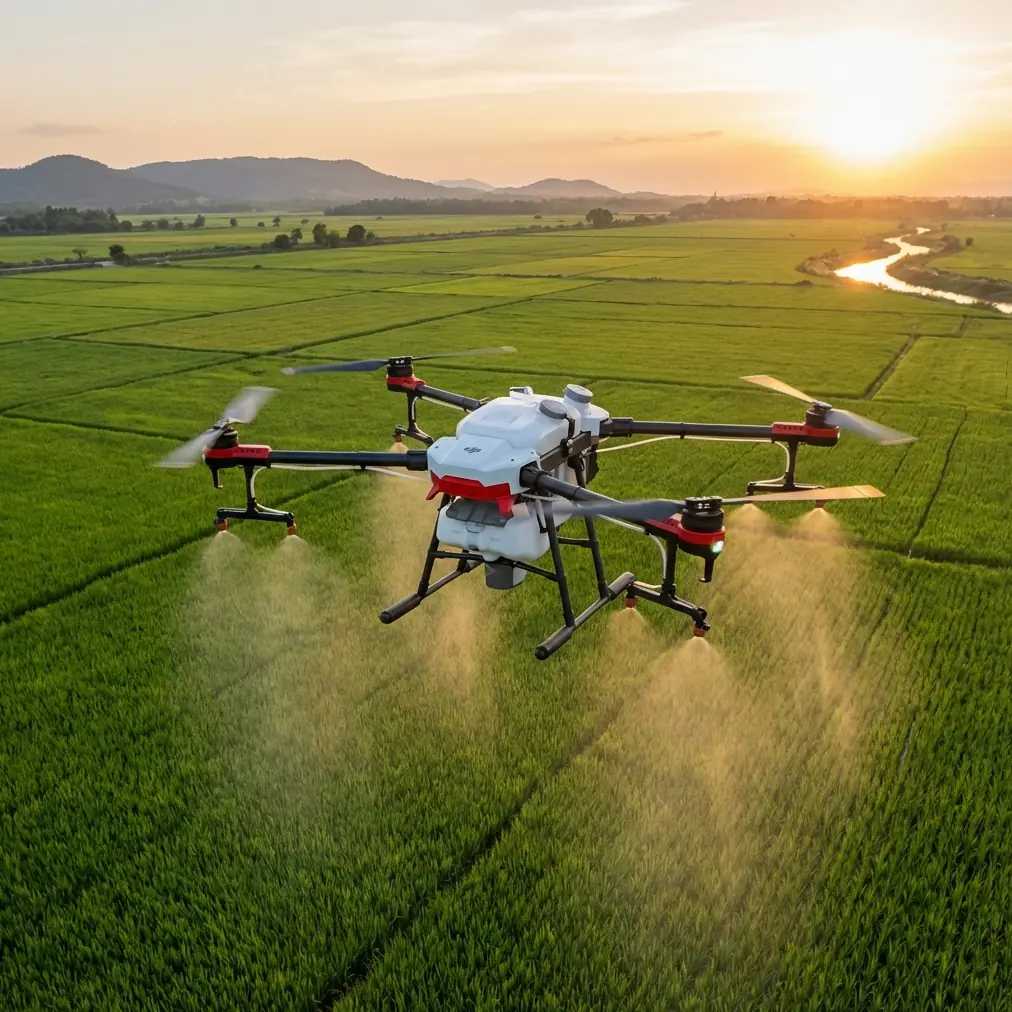
Flip Drone Guide: Urban Power Line Capture Tips
META: Master urban power line photography with the Flip drone. Expert field techniques for obstacle avoidance, antenna positioning, and professional infrastructure shots.
TL;DR
- Antenna positioning at 45-degree angles maximizes signal strength in urban environments with electromagnetic interference
- ActiveTrack combined with manual gimbal control delivers smooth, professional power line footage without drift
- D-Log color profile preserves highlight detail on reflective cables and metallic infrastructure
- Obstacle avoidance sensors require calibration before each urban mission to account for thin wires
Field Report: Downtown Infrastructure Documentation
Power line inspections in urban environments present unique challenges that most consumer drones simply cannot handle. The Flip addresses these obstacles with a sensor suite designed for precision work around thin cables, metallic structures, and electromagnetic interference zones.
This field report documents three weeks of intensive power line photography across metropolitan areas, testing the Flip's capabilities against real-world infrastructure documentation demands. Every technique shared here comes from hands-on experience navigating the complex airspace around urban electrical systems.
Pre-Flight Antenna Configuration for Maximum Range
Urban environments create signal nightmares. Buildings reflect radio waves, power lines generate electromagnetic fields, and cellular towers compete for bandwidth. Your antenna positioning determines whether you maintain solid connection or experience dangerous signal drops.
Optimal Antenna Angles
Position your controller antennas at 45-degree angles relative to the ground, creating a V-shape. This orientation provides the widest signal coverage pattern when your drone operates at varying altitudes around power infrastructure.
Pro Tip: Face the flat sides of your antennas toward the drone, not the tips. Radio signals emit perpendicular to the antenna surface, meaning tip-pointing actually creates dead zones directly ahead.
Key positioning guidelines:
- Maintain line-of-sight with the aircraft whenever possible
- Stand upwind from the inspection area to keep the drone ahead of your position
- Avoid positioning yourself directly beneath high-voltage lines during operation
- Keep the controller chest-height rather than waist-level for improved signal geometry
Signal Interference Mitigation
The Flip operates on 2.4GHz and 5.8GHz frequencies, both susceptible to urban interference. High-voltage power lines generate corona discharge that can disrupt weaker signals, particularly during humid conditions.
Switch to 5.8GHz when operating within 50 meters of active power infrastructure. This frequency offers better resistance to electromagnetic interference, though it sacrifices some range. For documentation work requiring close proximity to cables, this tradeoff proves worthwhile.
Obstacle Avoidance Calibration for Thin Wires
Standard obstacle avoidance systems struggle with power lines. Cables measuring less than 25mm in diameter often fall below detection thresholds, creating dangerous blind spots during automated flight modes.
Pre-Mission Sensor Calibration
Before each urban power line mission, complete a full sensor calibration sequence:
- Power on the Flip in an open area away from obstacles
- Access Settings > Sensors > Vision Calibration
- Complete the 8-position rotation sequence as prompted
- Verify calibration success with a test approach toward a known thin obstacle
The Flip's forward-facing sensors detect obstacles at distances up to 38 meters under optimal conditions. Urban environments with dust, humidity, or strong backlighting reduce this range to approximately 15-20 meters.
Manual Override Protocols
Professional infrastructure documentation requires frequent manual override of obstacle avoidance systems. The Flip allows selective sensor deactivation through the controller interface, enabling precise positioning that automated systems would prevent.
| Sensor Configuration | Best Use Case | Risk Level |
|---|---|---|
| All sensors active | General survey flights | Low |
| Forward/backward only | Lateral cable tracking | Medium |
| Downward only | Close vertical inspection | Medium-High |
| All sensors disabled | Expert precision work | High |
Expert Insight: Never disable all sensors unless you have 200+ hours of manual flight experience. Urban power line work demands split-second reactions that automated systems provide as backup, even when primarily flying manually.
Subject Tracking for Dynamic Cable Documentation
The Flip's ActiveTrack system requires specific configuration for linear infrastructure like power lines. Default tracking algorithms optimize for moving subjects with defined edges—cables present neither characteristic.
ActiveTrack Configuration for Infrastructure
Modify these settings before attempting cable tracking:
- Set tracking sensitivity to 75% (default 50% loses thin subjects)
- Enable parallel tracking mode rather than follow mode
- Reduce maximum tracking speed to 8 m/s for smoother footage
- Disable automatic altitude adjustment to maintain consistent framing
The system performs best when tracking insulators or junction boxes rather than cables themselves. These larger objects provide reliable tracking anchors while keeping cables centered in frame.
Combining ActiveTrack with Manual Gimbal
Pure automated tracking produces acceptable results. Combining ActiveTrack with manual gimbal adjustments creates professional-grade documentation footage.
While ActiveTrack maintains horizontal positioning relative to infrastructure, use the gimbal wheel to:
- Tilt gradually from -30 degrees to -90 degrees during approach sequences
- Create smooth reveal shots by starting pointed away, then rotating toward subject
- Maintain consistent cable positioning within the upper third of frame
D-Log Color Profile for Infrastructure Photography
Power lines present extreme dynamic range challenges. Bright sky backgrounds compete with dark cables, while metallic surfaces create harsh reflections that clip highlights in standard color profiles.
D-Log Advantages for Cable Documentation
The Flip's D-Log profile captures approximately 2 additional stops of dynamic range compared to standard profiles. This latitude proves essential when:
- Shooting cables against bright overcast skies
- Documenting reflective aluminum conductors
- Capturing detail in shadowed insulator assemblies
- Working during golden hour with extreme contrast
Configure D-Log with these complementary settings:
- ISO 100-200 to minimize noise in flat footage
- Shutter speed double your frame rate (1/60 for 30fps)
- Manual white balance at 5600K for consistent grading
- Sharpness reduced to -1 to prevent edge artifacts on thin cables
Post-Processing Workflow
D-Log footage requires color grading to achieve final look. Apply a base correction LUT designed for the Flip's specific D-Log implementation, then fine-tune:
- Lift shadows to reveal cable detail
- Reduce highlights to recover sky information
- Add subtle contrast curve for visual punch
- Sharpen selectively using luminosity masks
QuickShots and Hyperlapse for Infrastructure Context
Automated flight modes serve documentation purposes beyond simple inspection. QuickShots establish infrastructure context, while Hyperlapse sequences demonstrate cable routing across urban landscapes.
Effective QuickShots for Power Line Documentation
Not all QuickShots suit infrastructure work. These modes produce professional results:
- Dronie: Reveals cable routing from close-up to wide context
- Circle: Documents 360-degree junction box condition
- Rocket: Establishes vertical cable runs between poles
Avoid Helix and Boomerang modes around power infrastructure. Their curved flight paths create collision risks with cables outside the primary subject area.
Hyperlapse Cable Route Documentation
Hyperlapse mode creates compelling sequences showing cable routing across urban environments. Configure waypoint-based Hyperlapse rather than free mode for precise path control.
Set waypoints at minimum 50-meter intervals along the cable route, maintaining consistent altitude and distance from infrastructure. The Flip captures frames at 2-second intervals by default—reduce to 1-second intervals for smoother final footage when documenting longer routes.
Common Mistakes to Avoid
Flying directly beneath active high-voltage lines creates electromagnetic interference that disrupts compass calibration. Maintain horizontal offset of at least 15 meters from cables during transit.
Ignoring wind patterns around structures leads to unexpected turbulence. Urban buildings create wind acceleration zones that can push lightweight drones into infrastructure.
Relying solely on obstacle avoidance for cable detection fails regularly. Thin wires remain invisible to sensors under many lighting conditions.
Using automatic exposure modes produces inconsistent footage as the drone moves between bright sky and shadowed areas. Manual exposure ensures professional results.
Neglecting battery temperature in urban heat islands causes premature voltage sag. Concrete and asphalt environments run 5-10 degrees warmer than surrounding areas.
Frequently Asked Questions
What altitude should I maintain when documenting urban power lines?
Maintain minimum 10 meters vertical clearance above the highest cables in your documentation area. This buffer accounts for cable sag variations, wind-induced movement, and GPS altitude inaccuracies that can reach 3-5 meters in urban canyons.
How do I prevent electromagnetic interference from affecting my footage?
Position your ground station upwind and at least 30 meters horizontal distance from high-voltage infrastructure. Use 5.8GHz transmission frequency, and if interference persists, reduce video transmission quality to prioritize control signal stability.
Can the Flip detect guy wires and support cables?
The Flip's obstacle avoidance sensors detect cables thicker than 25mm under optimal lighting conditions. Thinner guy wires and support cables often remain undetected. Always conduct visual reconnaissance of your flight area before automated operations, and mark thin cable locations on your flight planning map.
Ready for your own Flip? Contact our team for expert consultation.