
Flip on Broken Ground: A Field Report From a Construction
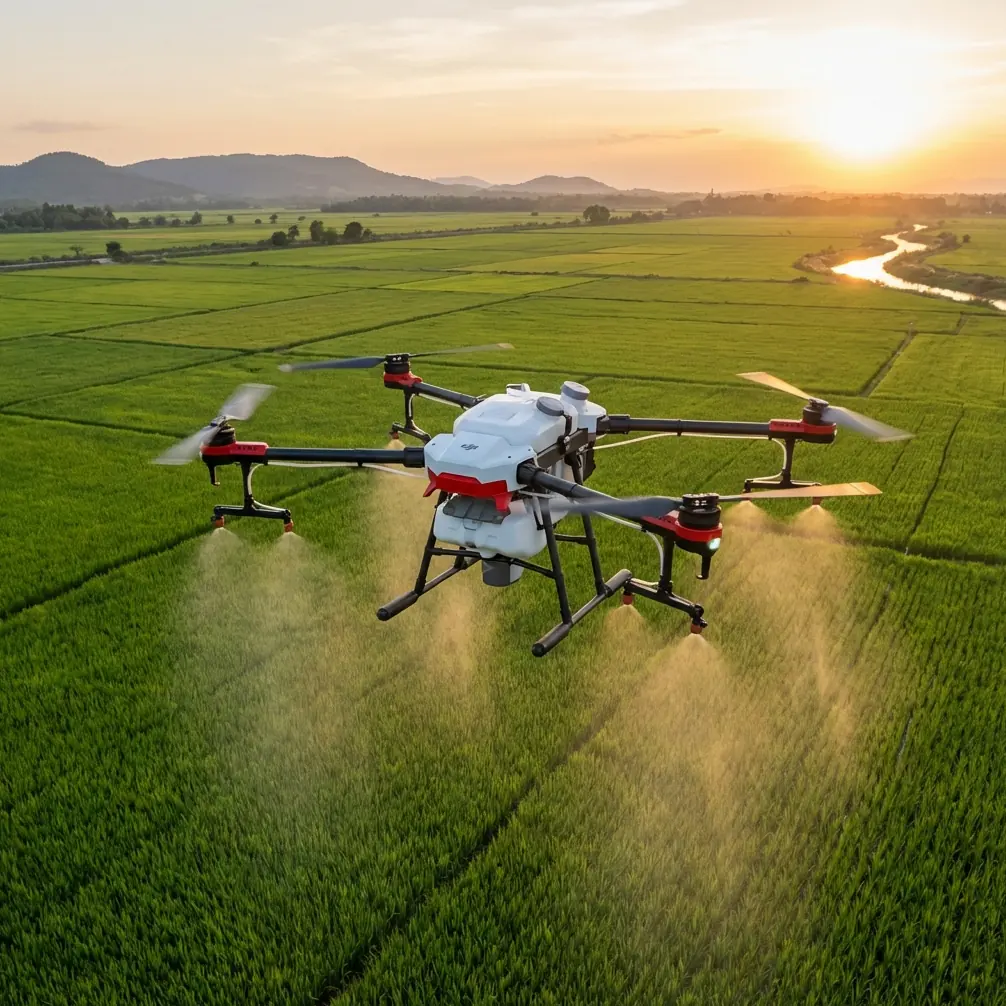
Flip on Broken Ground: A Field Report From a Construction Delivery Flight
META: A field report on using Flip for construction sites in complex terrain, with practical tips on obstacle avoidance, ActiveTrack, D-Log, QuickShots, and handling weather changes mid-flight.
Construction work rarely happens on flat, tidy ground. It happens on cut slopes, half-finished access roads, loose aggregate, rebar stacks, excavator traffic, and temporary corridors that seem to move every few hours. That matters when you are flying a compact drone like Flip to document delivery progress or move eyes across a site where walking the route costs time and introduces risk.
This field report is built around that reality: a construction site in complex terrain, a mid-flight weather change, and the practical question most operators care about. Can Flip stay useful when the jobsite stops behaving like the clean demo footage in a product video?
The short answer is yes, but only if you fly it with a construction mindset rather than a hobby mindset.
On this sortie, the site had three layers of difficulty. First, elevation changed fast. The work zone stepped down from a staging area to a lower trench line, then climbed again along a rough service road cut into the hillside. Second, visual clutter was everywhere. Temporary fencing, stacked pipe, telehandler movement, scaffold frames, and hanging utility lines turned a simple path into a constantly changing obstacle environment. Third, weather shifted halfway through the mission. A stable morning light gave way to a gust front and flatter contrast, exactly the kind of change that makes smaller aircraft work harder.
That combination is where features like obstacle avoidance and ActiveTrack stop being bullet points and start becoming operational tools.
I launched from the highest stable pad on site, not because it produced the prettiest opening shot, but because it gave Flip immediate line-of-sight over the first descent and kept takeoff clear of dust kicked up by heavy equipment. Dust is an underrated variable on construction jobs. It does not just affect visibility. It can distort your confidence in visual positioning close to the ground, especially when the drone is passing over alternating textures like gravel, concrete washout, and muddy tire tracks.
The first goal was simple: map the active delivery route from the temporary laydown yard to the lower work face. This was not a survey mission. It was a communication mission. The superintendent needed footage that explained why material movement had slowed and where the new choke points had formed after overnight grading.
That is where Flip’s obstacle avoidance became useful in a very practical way. On a complex site, the biggest flying mistakes rarely come from fixed terrain. Operators usually see the hill, the berm, the retaining edge. The trouble comes from partial obstructions that appear in the margins: a crane hook hanging lower than expected, a new run of temporary cable, an access gate left open into your lateral route. Obstacle sensing does not replace judgment, but it reduces the odds of a small lapse turning into a job-stopping incident.
I kept the flight profile conservative, using smooth directional inputs and resisting the temptation to skim too close to structures for dramatic parallax. Construction clients do not need a cinematic near-miss. They need readable footage that answers site questions. Flip handled the route well because the mission was designed around information capture rather than stunt framing.
About a third of the way in, I switched to a subject-following pass using ActiveTrack to hold focus on a site utility vehicle moving supplies between the upper and lower pads. On paper, subject tracking sounds like a content feature. In the field, it can be a documentation advantage. If a logistics lead wants to show how vehicle movement is being slowed by terrain transitions, drainage cuts, or equipment congestion, a stable tracking sequence gives context that a static overhead cannot.
The catch is that construction sites are hostile environments for automated tracking. Similar-looking machinery, passing workers in high-visibility gear, shifting shadows, and intermittent occlusion can all confuse the scene. I used ActiveTrack only where the route was visually open enough to avoid ambiguous subject overlap. That decision matters. Smart features work best when the operator chooses a clean window for them rather than forcing them into the busiest part of the site.
The second operational detail that paid off was camera profile selection. I recorded key segments in D-Log because the site had difficult contrast: pale aggregate, dark trench shadows, reflective metal, and then a sudden weather shift that flattened the scene without making it easier. A flatter profile gave more room to recover details from the bright upper grade and the darker lower cut in post. If your end use is weekly stakeholder reporting, preserving tonal flexibility is more valuable than getting a heavily baked look straight out of camera.
That weather shift arrived fast. What started as a mild breeze turned into uneven gusts pushing across the hillside from left to right. At the same time, a thin cloud layer dulled the light, reducing texture definition on the dirt roads. This is where many flights get sloppier rather than smarter. Operators chase the original shot list even though the environment has changed.
I did the opposite. I shortened the route, climbed a little higher for margin, and abandoned one low lateral pass near stacked formwork that had looked safe ten minutes earlier. The drone handled the change well, but the real point is not that Flip can fight wind. The point is that its stability and sensing gave me enough confidence to reframe the mission instead of terminating it immediately or pressing on carelessly.
Mid-flight adaptation is part of serious drone work on construction projects. Weather almost never changes in a dramatic, cinematic way. It changes by degrading the quality of your assumptions. Gusts alter your stopping distance. Cloud shifts change how well you can read relief in uneven ground. Airborne dust becomes less predictable. When people ask whether a drone “handled” weather, that is the lens I use. Did it remain controllable, readable, and safe enough to finish the essential capture? On this flight, yes.
I also used QuickShots selectively, which may surprise operators who think of them as social-first tools. On a construction site, an automated reveal can help establish terrain relationships very quickly for someone who has not walked the ground. One short pullback sequence showed the vertical separation between the upper storage area, the access ramp, and the lower delivery zone better than a series of still frames would have. Used sparingly, these modes can communicate site geometry efficiently. Used too often, they become decorative and waste battery.
Hyperlapse deserves a similar caveat. It can be useful on jobsites, but only when there is a reason to compress time. If the story is crew movement, crane activity, or how cloud cover changes visibility across the slope, a controlled Hyperlapse clip can add value. If the goal is simply to make a weekly update look more “dynamic,” skip it. Construction decision-makers notice clarity before style.
One of the strongest use cases for Flip in this setting is reducing the gap between field conditions and office understanding. Most delivery bottlenecks are obvious to people standing in the mud and strangely invisible to everyone else. A trench crossing that slows hand-carried material, a temporary route that pinches down between excavated spoil and fencing, or a blind crest that forces vehicles to alternate movement one at a time; these are operational facts, but they are hard to convey without well-planned aerial footage.
That is why I think small-aircraft documentation is often undervalued on complex terrain sites. It is not just about progress marketing. It is about decision compression. Good drone footage shortens the time between “something feels inefficient” and “here is the exact terrain conflict causing it.”
If you are flying Flip for construction delivery coverage, I would focus on five habits.
First, build your route around the site’s real movement paths, not around scenic angles. Follow the access road, the material laydown, the cut line, the bottleneck, the turnaround. Let the terrain explain the problem.
Second, leave more buffer than you think you need near temporary structures. Permanent buildings are predictable. Construction geometry is not. A scaffold bay can change, a loader can park in a new position, a cable can appear where yesterday there was open air.
Third, use obstacle avoidance as a safety layer, not a license to crowd objects. The system is there to help preserve margin. On dusty or visually messy sites, margin is everything.
Fourth, reserve ActiveTrack for segments with clean subject separation. It is powerful when following a vehicle or crew path through open terrain. It is less reliable in visually noisy clusters where every machine looks like the subject.
Fifth, capture at least one sequence in D-Log when light is inconsistent. Construction sites often combine bright reflective surfaces and deep shadow in the same frame. Extra grading latitude can rescue a reportable shot that would otherwise feel harsh or muddy.
There is also a human factor here. Flight planning on active sites should include the superintendent or the person controlling movement in the area, even for short documentation runs. You are not just managing airspace. You are working around evolving ground operations. A two-minute briefing about vehicle routes, crane activity, and no-go corners can save more time than any intelligent flight mode.
During this mission, that coordination mattered because the weather change caused ground teams to alter how they staged material. Pallets that had been in the open were shifted closer to the cut, and one telehandler rerouted uphill to avoid slick ground. Without a live check-in, I would have been flying yesterday’s site in today’s air.
That is the bigger lesson from this report. Flip is most effective on construction terrain when it is treated as part of the site information workflow, not as a detached camera. Features like obstacle avoidance, ActiveTrack, QuickShots, Hyperlapse, and D-Log each have a place, but their value depends on whether they help answer a site question. Where is the delay? What changed after grading? Which route remains workable after weather moved in? How does elevation affect delivery flow?
Those are not content-creator questions. They are field questions. And when a drone mission is built around field questions, even a compact platform can produce material that is genuinely useful.
If you are planning similar flights and want to compare notes on route design or weather calls in rough terrain, send a message here: talk with us in the field.
For my own operation, the final output from this flight was not the prettiest clip of the week. It was better than that. It showed a real site, under changing conditions, in a way that helped explain how terrain and weather were affecting delivery movement. That is the standard I would use for Flip on any construction project. Not whether it looked impressive for 10 seconds, but whether it gave the team a clearer read on the ground they were actually working.
Ready for your own Flip? Contact our team for expert consultation.