
Delivering Fields in Low Light With Flip: A Real
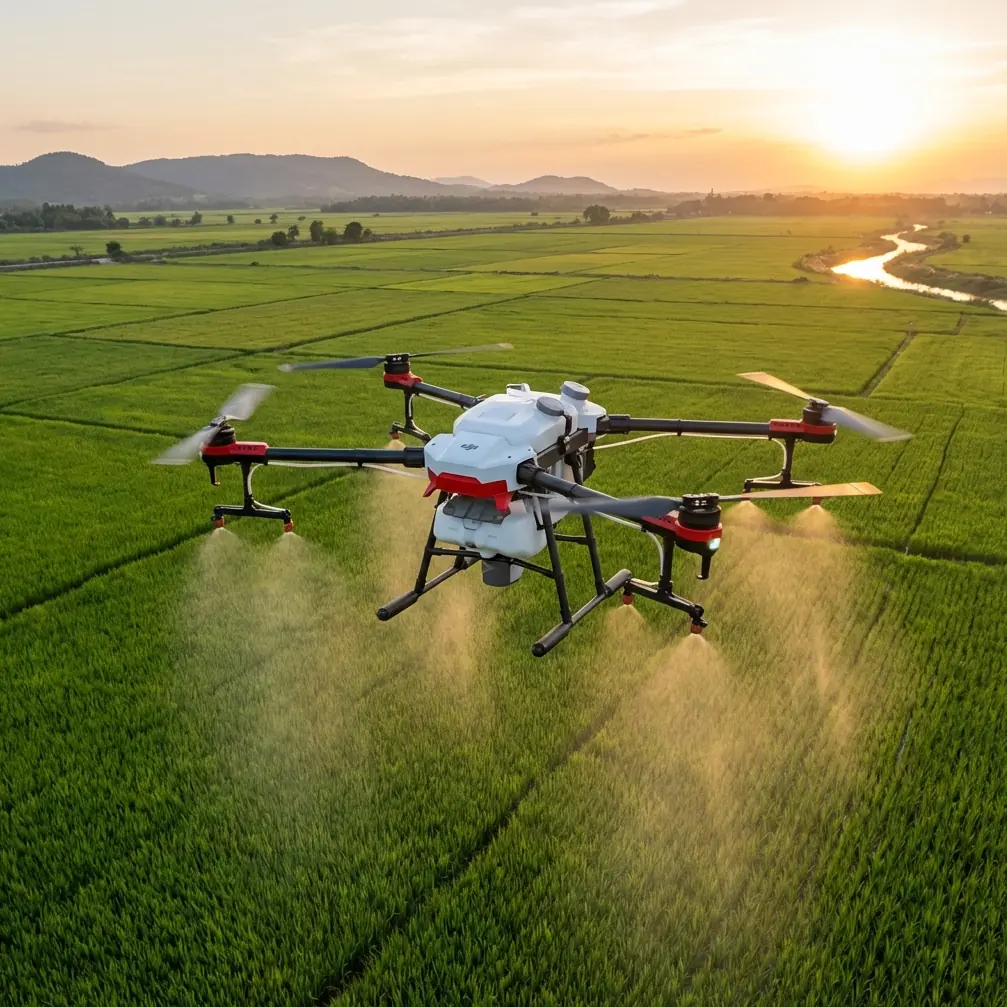
Delivering Fields in Low Light With Flip: A Real-World Case Study From the Edge of Sunset
META: A field-tested case study on using Flip for low-light field delivery work, covering obstacle avoidance, ActiveTrack, D-Log, QuickShots, Hyperlapse, and a practical battery management tip from real operations.
I’ve spent enough evenings around open land to know that “low light” means different things depending on what is actually happening in the field. There’s the soft, forgiving light photographers love. Then there’s the last usable window before detail collapses, contrast gets muddy, and every tree line starts to blend into the ground. If you are trying to deliver across fields with Flip in that second kind of light, the job changes fast.
This is not a studio exercise. It is a practical flying problem.
The scenario here is simple on paper: move a small payload across fields late in the day, document the route, maintain positional confidence, and return with enough reserve to avoid turning the flight into a battery lesson. In reality, the constraints stack up. Visibility drops. Depth perception flattens. Thin branches disappear into the background. Wind often becomes more noticeable as ground temperatures shift. And because open fields rarely stay truly open, you start dealing with fence lines, hedgerows, utility edges, isolated trees, and changing terrain that matters more than it looked like it would from the launch point.
That is where Flip becomes interesting. Not as a generic “smart drone,” but as a tool whose flight assistance and imaging features can reduce friction when the light is leaving faster than your mission plan expected.
Why low-light field delivery is harder than it sounds
A lot of pilots underestimate fields because fields look empty. They usually are not.
What you actually get is a patchwork of hazards with wide spacing between them. That spacing creates a false sense of safety. In daylight, the route looks obvious. Near sunset, isolated obstacles become the problem because they arrive suddenly in the visual flow. A single tree, a wire corridor near the property boundary, a windbreak row, or an irrigation structure can become the one thing that matters.
For a platform like Flip, obstacle avoidance is not just a convenience in these conditions. It is part of maintaining mission continuity. In low light, you should never assume sensors replace good route planning, but they can buy you time when contrast is poor and your own visual read is delayed by a second or two. That second matters.
The operational significance is straightforward: obstacle avoidance helps absorb small perception errors before they become large flight errors. In a field delivery scenario, that can be the difference between a smooth lateral correction and an abrupt manual intervention that costs time, focus, and battery.
The same principle applies to subject tracking. Most people hear terms like ActiveTrack and think of cycling videos or follow shots on a trail. In field work, the value is different. If your delivery point involves a moving person, utility cart, or tractor along a boundary path, ActiveTrack can help maintain visual continuity while you focus on spacing, altitude, and route safety. You are not using it for cinematic novelty. You are using it to reduce workload when visibility is already degrading.
A case from my own workflow
One evening assignment still stands out because it forced every small decision into the foreground.
I was working near a series of agricultural fields bordered by uneven tree lines and access tracks. The light was dropping quickly. The goal was to move a compact item out toward a field-side handoff point while also capturing enough visual material to review the route later. That dual purpose mattered because the first run was not just about delivery. It was also about learning the terrain under low-light conditions for future operations.
At launch, the field looked manageable. By the time the drone was outbound, the shadows had lengthened enough that the edge definition between track, ditch, and crop margin had started to blur. This is where Flip’s flight aids stopped being feature-list material and started becoming operational support.
I kept the route conservative and resisted the temptation to skim lower for visual drama. That choice paid off. With obstacle avoidance active, I had more confidence crossing near a darkened tree margin where branch structure was no longer easy to read from a distance. Even without any dramatic warning event, the psychological effect was real: less mental bandwidth spent worrying about hidden structure meant more bandwidth available for wind, heading, and return math.
That flight also reinforced something many pilots learn the hard way: low light does not merely affect image quality. It changes battery discipline.
The battery management tip I trust in the field
Here is the battery rule I actually use on late-day field flights: if I would not be comfortable beginning the return leg right now, I am already behind.
That sounds simple, but in low light it becomes non-negotiable. Do not manage battery by percentage alone. Manage it by return commitment point.
On that evening flight, I set a personal return threshold earlier than I would have in full daylight. Not because the aircraft suddenly performed worse, but because decision-making becomes less forgiving as visibility drops. A route that feels easy on the way out can look very different on the way back when the same landmarks are now in shadow and the horizon has lost contrast.
My practical tip is this: warm the battery before launch if ambient conditions are trending cool, avoid hovering longer than necessary at the drop zone, and mentally reserve more battery than your daytime habits suggest. Hover time is deceptively expensive in these missions because it usually happens right when you are also increasing cognitive load—watching the handoff area, checking spacing, re-evaluating light, and deciding whether to capture extra footage. That combination burns both power and attention.
I also avoid using the last clean slice of battery for “one more pass” after delivery. If the mission includes both transport and documentation, treat documentation as secondary once the light starts collapsing. You can always come back for beauty footage on another evening. You cannot negotiate with physics on the return leg.
Operationally, this matters because field delivery missions often create a false sense of range efficiency. Open space encourages longer outbound confidence. But if wind shifts or visual acquisition of the landing zone becomes slower in dim conditions, your reserve disappears faster than expected. A disciplined return threshold protects against that.
Where imaging features actually help the mission
A platform like Flip tends to attract attention for creative features such as QuickShots, Hyperlapse, and D-Log. Used carelessly, those are distractions in a delivery scenario. Used properly, they can support planning, review, and communication.
D-Log matters first. In low light, preserving more tonal information can make route review more useful later, especially around tree lines and edges where standard contrast might crush subtle detail. If you are assessing how safely you cleared a boundary or how visible a handoff point really was at dusk, having more grading flexibility can be the difference between useful footage and murky evidence. For a photographer, that is not abstract. It is the difference between “I think the route was clear” and “I can confirm what the aircraft saw.”
QuickShots are less about style here and more about rapid context capture, if used before or after the core task rather than during it. A quick automated reveal of the field boundary can help build a simple visual reference of the site for teammates who were not present. The keyword is restraint. The mission does not become safer because you used an automated shot mode. It becomes more understandable afterward if you captured the environment intelligently.
Hyperlapse has similar value when you are documenting environmental change across a site rather than actively conducting the delivery. For example, if the purpose of a follow-up flight is to understand how light falls across access routes over a 20- or 30-minute window, Hyperlapse can provide a compact visual record that helps with future timing decisions. That is a planning asset, not an in-flight indulgence.
In other words, the imaging stack around Flip can support field delivery work if you treat it as operational documentation. The wrong mindset is “what creative mode can I use today?” The right mindset is “which capture method helps me understand this route better next time?”
ActiveTrack in the real world, not the marketing version
Low-light field operations often involve imperfect handoff conditions. Maybe the receiver is walking the edge of a field because the original meeting point is muddy. Maybe a utility vehicle changes position. Maybe a worker waves from one access lane and then shifts to another because of equipment movement.
This is where ActiveTrack can be genuinely useful. If the receiver is moving in a predictable, safe zone, the ability to maintain tracking reduces the amount of manual framing correction you need to make while also managing aircraft position. That matters because every task you can offload responsibly gives you more capacity to watch the bigger picture: altitude, obstacles, wind drift, and reserve power.
The significance is operational, not decorative. ActiveTrack helps preserve visual contact with the target area when your own eyes are doing extra work in low light. In that setting, even a small reduction in workload is valuable.
That said, no tracking mode replaces judgment. I still prefer to establish the destination visually, confirm a clean hover, and only rely on tracking if the movement pattern remains predictable. If the subject enters a cluttered edge zone near trees or structures, I disengage and fly manually. Smart assistance is best used as a buffer, not as permission to get casual.
What I would change if I flew that mission again
The mission worked, but it taught me three things I would now build into every similar outing with Flip.
First, I would scout the route earlier in the day whenever possible. Not because the route itself changes, but because memory of obstacle spacing is more reliable when formed in full light. By dusk, your brain starts compressing distance in ways that are not helpful.
Second, I would lock in my return battery threshold before takeoff and say it out loud. Pilots bend their own rules when conditions stay “mostly fine.” Saying the threshold makes it harder to renegotiate with yourself once you are enjoying a smooth outbound leg.
Third, I would separate delivery footage from cinematic footage more aggressively. The temptation to grab a beautiful low-angle pass across darkening fields is real. It is also how clean missions get messy.
If you are building a repeatable workflow around Flip, that discipline will serve you better than any single feature. Aircraft capability matters. Mission structure matters more.
The larger takeaway for Flip users
What stands out to me about Flip in a low-light field scenario is not one headline feature. It is the way several tools combine to make a narrow operating window more manageable.
Obstacle avoidance supports confidence when branch detail and edge contrast start to disappear. ActiveTrack can reduce workload when the receiving subject is moving. D-Log helps preserve reviewable detail when the scene gets tonally compressed. QuickShots and Hyperlapse, used outside the critical phase of delivery, can help document routes and timing patterns for future flights.
Those details are not trivial. They shape how safely and efficiently you can work when the mission happens during the least forgiving part of the day.
If your use case involves delivering across fields in low light, the best advice I can give is unglamorous: fly higher than your ego wants, return earlier than your battery app suggests, and treat smart features as workload reducers rather than substitutes for judgment. That is what makes the difference between a drone that merely can fly at dusk and a workflow that still holds together when dusk starts taking options away.
If you want to compare notes on field setups or low-light route planning, you can message me here.
Ready for your own Flip? Contact our team for expert consultation.