
Flip for Windy Construction Site Filming
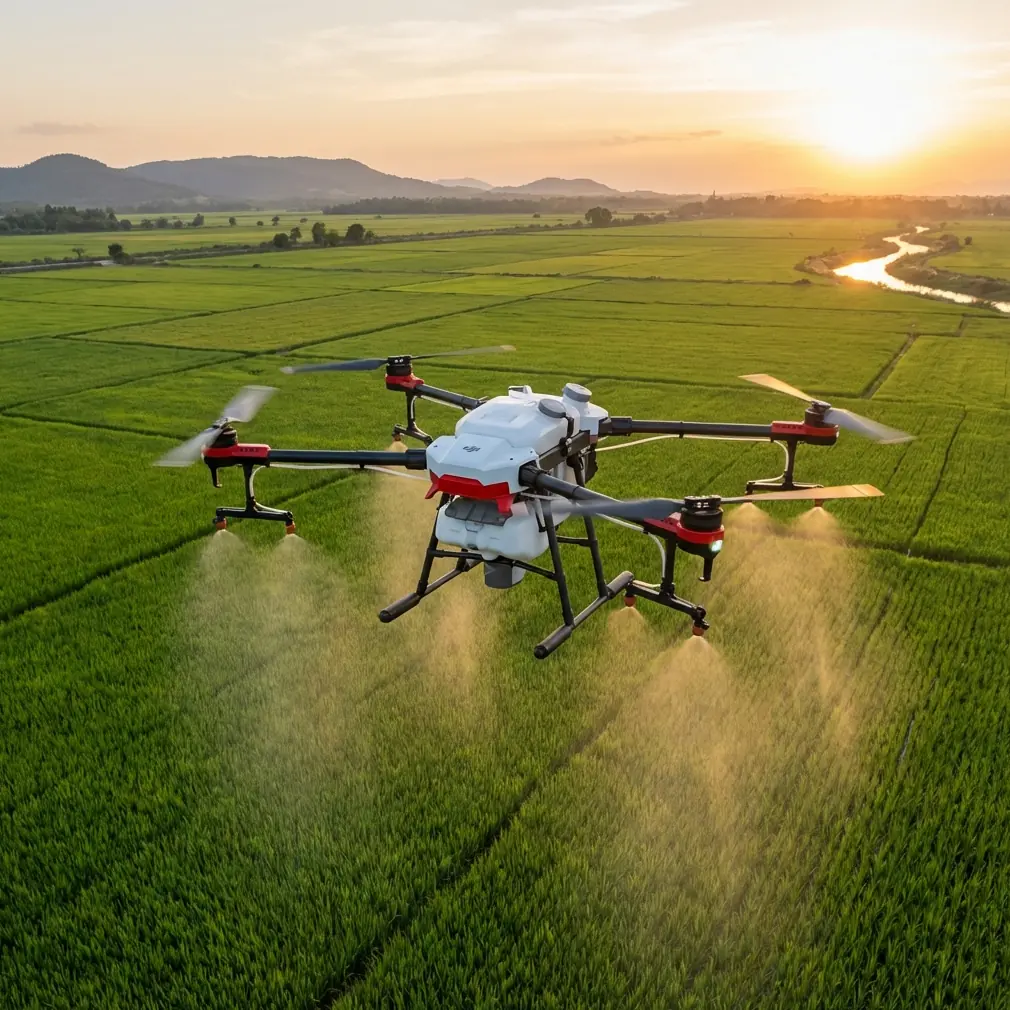
Flip for Windy Construction Site Filming: What a 2009 Civil Mapping Biplane Still Teaches Us
META: A technical review of Flip for windy construction site filming, grounded in civil UAV mapping research on biplane stability, low-altitude autonomy, 3-axis stabilization, and imaging quality.
Construction sites are ugly places for weak aircraft.
Open steel frames channel gusts in strange directions. Heat rises off fresh concrete. Cranes, scaffolding, and temporary structures create turbulence that looks minor from the ground and feels very different once a drone is airborne. If you are filming progress on an active site, the challenge is not simply getting footage. It is getting footage that stays usable when conditions shift halfway through the job.
That is why an older piece of civil UAV research still feels surprisingly relevant when evaluating Flip for construction work in wind.
A 2009 paper in the Journal of Geomatics Science and Technology described a civilian unmanned biplane aerial photography system built for stereo surveying and large-scale topographic mapping over small areas. On paper, it was not a content-creator drone story at all. It was a serious imaging system for measurement. Yet the engineering logic behind it maps directly to what matters when using Flip on a windy construction site: image stability, autonomous flight behavior, low-altitude performance, and the relationship between flight parameters and output quality.
That paper is useful because it was built around a hard truth many drone buyers still miss. In demanding environments, aircraft design is not separate from image quality. It is image quality.
Why this old mapping system matters to a modern Flip user
The system described in the research used a civilian unmanned biplane as the flight platform, a digital camera as the sensor, and a 3-axis stabilized gimbal to acquire digital aerial imagery directly. It was designed for small-area, large-scale topographic mapping, which means the mission demanded consistency, repeatability, and geometric reliability rather than just visually pleasing clips.
That matters for construction filming because progress documentation sits between cinema and survey work. You are often asked to deliver footage that looks good enough for stakeholders and is stable enough to compare over time. One week’s shot angle needs to relate cleanly to the next. Roofline changes, steel placement, road access adjustments, excavation volumes, façade progress—none of that reads clearly if the aircraft is fighting the wind and the camera is drifting all over the frame.
The 2009 team analyzed key imaging parameters such as GSD, image point displacement, and base-height ratio to make sure the system could preserve both image quality and mapping accuracy. Even if you are not building stereo pairs from Flip footage, the operational lesson is the same: once wind starts moving the platform unexpectedly, every downstream output suffers. Sharpness falls. Frame-to-frame consistency degrades. Subject tracking becomes less trustworthy. Hyperlapse segments get harder to align. D-Log footage gives you grading latitude, but it cannot fix unstable capture.
A drone that remains composed in imperfect air does more than save a shot. It protects the integrity of the whole job.
The construction site test is mostly about control under disturbance
The source paper highlighted several design traits of the biplane platform: low-altitude operation, autonomous flight, no need for airport support, short takeoff and landing distance, and good gliding performance. Those details came from a different era and a very different airframe category, but the operating philosophy is still exactly right for construction environments.
Construction work rarely gives you the luxury of clean aviation infrastructure. You may be launching near temporary offices, fenced compounds, access roads, or narrow clearings between material stacks. A drone system meant for practical field work must cope with constrained launch conditions, recover safely, and keep performing close to the ground where air is often more chaotic.
The old research also said the aerial photography system consisted of seven subsystems, including the unmanned biplane itself, autonomous control and safety, the imaging payload, a stabilized gimbal, air-ground wireless communication, a ground station, and data processing. This is more than a historical curiosity. It is a reminder that good site filming is not just about the aircraft. It is about the stack.
With Flip, that stack shows up in modern form through flight intelligence, stabilization, obstacle awareness, subject tracking, transmission reliability, and post workflow options like D-Log. If one layer underperforms in wind, the rest of the system gets dragged down with it. A drone can have attractive QuickShots, but if the aircraft cannot hold line near partially enclosed structures or if link quality drops around steel and concrete, the automated move becomes a liability instead of a labor saver.
What happened when the weather shifted mid-flight
On one recent construction shoot, the day started deceptively calm.
The assignment was straightforward: establish the site perimeter, capture a crane reveal, then track an excavator corridor and finish with a short Hyperlapse over the concrete pour zone. Early passes looked easy. Flip held position cleanly over the access road, and ActiveTrack stayed locked on a moving dump truck long enough to build a useful sequence without having to fight the sticks.
Then the weather changed.
Not dramatically enough to scare everyone on the ground. Just enough to matter in the air. A crosswind began pushing through the unfinished steel frame on the west side of the site, and the gusts turned irregular. You could see it in the dust movement before you really felt it on the controller. One moment the aircraft was stable on approach; the next, it was correcting more aggressively as the wind curled around the structure.
This is the moment when a drone’s marketing page stops mattering.
Flip stayed workable because the whole operating picture remained coherent. The gimbal kept the horizon under control. Obstacle avoidance added confidence near protruding structural elements when repositioning for a safer line. Subject tracking was still usable, but with a more conservative route. QuickShots became less attractive than manual control because repeatable framing now mattered more than flashy automation. The key decision was not whether Flip could physically remain in the air. It was whether it could still produce footage worth taking home.
That distinction is everything on a construction site.
A drone that survives gusts but ruins your footage wastes pilot time, client time, and often site access permissions. The old geomatics paper understood this from a measurement perspective. It examined parameter rationality because the authors knew image capture is only as good as the platform’s ability to support it under real operating conditions. Wind turns theoretical capability into operational truth.
Stability is not only about the gimbal
Many pilots reduce windy performance to one question: “How good is the stabilization?”
That is too narrow.
The 2009 system explicitly paired the camera with a 3-axis stabilized gimbal, but the authors did not treat stabilization as a magic fix. They connected it to aircraft behavior, imaging geometry, and autonomous operation. That is the right framework for assessing Flip as well.
A gimbal can smooth visual output. It cannot erase poor aircraft positioning, inconsistent speed control, or repeated lateral corrections caused by turbulent airflow around structures. On a construction site, those issues show up quickly when trying to produce side-by-side progress comparisons or smooth reveal shots along building edges.
This is where features such as ActiveTrack, obstacle avoidance, and intelligent shooting modes need to be judged more harshly than they often are in casual reviews. In calm conditions, most modern drones can make these tools look polished. In wind, the real test is whether they remain predictable enough to support a professional workflow.
For example:
- ActiveTrack is only useful on site if the aircraft can maintain a stable relationship with the moving subject while compensating for gusts without jerky framing.
- Obstacle avoidance matters more around cranes, temporary barriers, steel members, and lift equipment than it does in open recreational flying.
- QuickShots are valuable when they reduce setup time, but on a windy day they need to be treated as optional tools, not default choices.
- Hyperlapse becomes much more demanding because tiny flight deviations compound over time.
- D-Log helps preserve highlight and shadow detail across bright concrete, dark excavations, reflective metal, and cloud shifts, but only if the captured frames are stable enough to grade confidently.
The old biplane paper was nominally about stereo mapping, yet it keeps pointing to the same lesson: reliable imaging is a systems problem, not a single-feature problem.
Why low-altitude performance matters so much on active sites
One detail from the research deserves more attention than it usually gets: the platform was noted for low-altitude performance.
That is not a throwaway spec. Construction filming often happens lower than many pilots initially expect. You may need to inspect façade progress, skim above graded surfaces, reveal trench lines, or track vehicles entering a constrained corridor. At these heights, the wind is shaped by everything around the site—containers, retaining walls, half-built floors, scaffold wraps, and nearby structures.
A drone that behaves beautifully in open air at a safe stand-off distance can become irritatingly inconsistent once brought down to practical filming height.
This is why the construction environment punishes generic reviews. The real question is not whether Flip can fly in wind in a broad sense. The real question is whether it can keep a coherent image path at the altitudes and distances that actual site footage requires.
The mapping paper’s emphasis on small-area missions is relevant here too. Construction sites are rarely about long-range scenic exploration. They are compact, detailed, and cluttered. You work repeatedly over the same footprint, and every movement needs purpose. That favors a drone workflow built around disciplined autonomy, stable camera behavior, and strong situational awareness rather than brute-force flying.
The imaging-quality lesson hidden inside GSD and image point displacement
Some readers will see terms like GSD and image point displacement and assume they only matter to surveyors. They do not.
GSD, or ground sample distance, affects how much detail the camera resolves on the ground. Image point displacement reflects how movement, geometry, and capture conditions can disturb where features appear in the image. In formal mapping, these parameters directly affect accuracy. In construction filming, they influence whether footage remains legible and comparable.
If the wind forces repeated corrections, edges shimmer across frames. Site lines lose consistency. Stakeholders comparing progress clips from different dates spend more time mentally compensating for camera behavior than absorbing the actual construction change.
That is why some of the best construction drone operators fly with a surveyor’s mindset even when producing visual media. They care about repeatability, not just aesthetics. The 2009 research team built their system to satisfy “domain-specific” needs with a sensible performance match. That mindset is still correct today. Flip should be judged by how well it fits the task, not by how many generic drone features it can claim.
Practical takeaways for using Flip on windy construction jobs
If you are planning to use Flip for this kind of work, the source research suggests a few practical standards.
First, treat stabilization and autonomous features as part of a coordinated capture system. Do not assume one feature will rescue weak planning.
Second, prioritize repeatable flight lines over ambitious moves when weather starts shifting. The footage clients return to months later is usually the stable, informative material, not the clever move you almost lost.
Third, respect mid-flight weather changes. Wind on a construction site can become highly localized. A safe hover on one side of the site does not guarantee equal conditions near exposed steel or open vertical shafts.
Fourth, use intelligent features selectively. ActiveTrack and QuickShots can save time, but manual adjustments often produce better results once gusts turn inconsistent.
Fifth, protect image quality upstream. D-Log is useful, and post can do a lot, but it cannot fix footage captured while the aircraft is being pushed around more than the mission allows.
If you need help sorting out a practical setup for site filming, one straightforward place to start is this direct WhatsApp line for project questions.
Final view: Flip succeeds when treated like a field tool, not a toy camera
The 2009 civil UAV paper described a specialized aerial photography system built for serious work. Its platform was a biplane, not a modern compact drone, and its target outputs were stereo mapping products rather than polished progress reels. Still, the engineering priorities remain strikingly current.
It emphasized autonomous flight, 3-axis stabilization, low-altitude operation, and careful attention to image-quality parameters like GSD and base-height ratio. It also framed the drone as part of a broader seven-part operational system rather than a standalone gadget. Those are exactly the instincts that matter when using Flip on a windy construction site.
Weather changes expose everything. They expose weak aircraft tuning, overreliance on automation, shaky shot planning, and unrealistic expectations about what post-production can recover. They also reveal when a drone is genuinely useful—when it keeps the footage stable, the operator in control, and the mission on track even after the air stops behaving.
That is the standard Flip should be held to.
Not whether it can fly on a sunny day. Whether it can still produce dependable construction footage when the site starts making its own weather.
Ready for your own Flip? Contact our team for expert consultation.