
Filming Highways in Coastal Wind with Flip
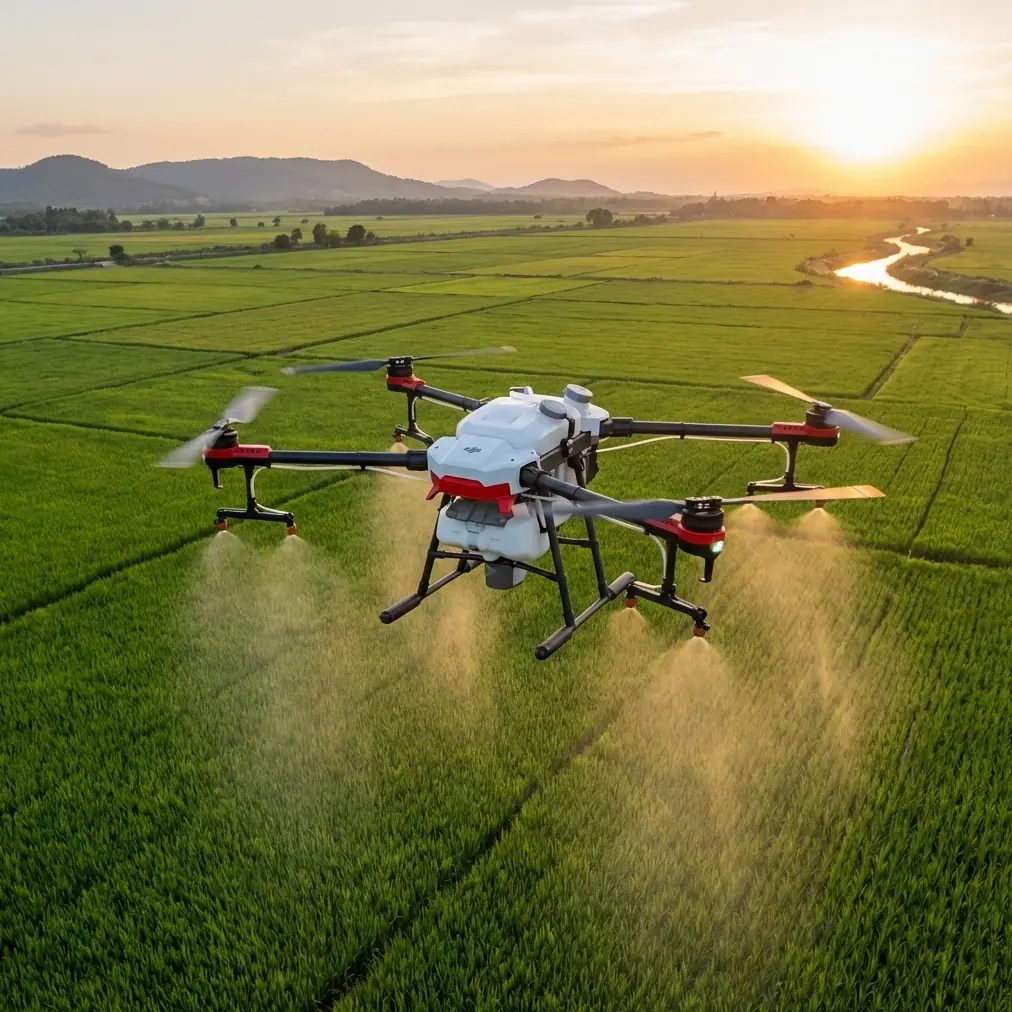
Filming Highways in Coastal Wind with Flip: A Field Report Framed by What the R6000 First Flight Really Signals
META: A field report on filming coastal highways with Flip, using the Lan Ying R6000 first-flight data to explain why VTOL efficiency, transition stability, pre-flight cleaning, and flight planning matter in real drone operations.
The most useful drone stories are not always about the drone in your backpack.
Sometimes the bigger lesson comes from a machine you will never personally fly.
On December 28 in Sichuan, United Aircraft Group completed the first flight of the Lan Ying R6000, described as the world’s first 6-ton-class tiltrotor unmanned aircraft. That matters well beyond headline value. The R6000 combines vertical takeoff and landing with the ability to transition into high-speed fixed-wing flight, posting reported figures that are hard to ignore: 550 km/h cruise speed, 2,000 kg maximum payload, 4,000 km range, and a 7,620 m service ceiling.
If you shoot with Flip, especially along coastal highways where wind, salt, glare, and tight launch zones all work against you, those numbers are not trivia. They point to something more practical: modern aerial work is being shaped by aircraft that can adapt quickly between takeoff constraints and efficient forward flight. At a smaller scale, that same operational logic influences how you should use Flip in the field.
This is a field report, not a spec-sheet rewrite. I want to connect what the R6000’s first flight tells us about UAV direction with what actually matters when you are standing beside a coastal road, checking your props, wiping down sensors, and trying to capture clean motion without fighting the environment.
Why the R6000 first flight matters to a Flip operator
At first glance, a 6-ton tiltrotor UAV and a compact content-creation drone live in different worlds. One is built for heavy, long-range mission profiles. The other is built for agile filming, quick setup, and repeatable image capture. But the R6000 first flight highlights two principles that apply across the entire civilian drone market.
The first is transition efficiency.
The R6000’s tiltrotor layout allows vertical takeoff and landing, then a seamless move into fast fixed-wing flight. Operationally, that means it can depart from constrained areas without needing a runway, then stop paying the energy penalty of hover once it gets moving. For large commercial UAVs, that opens serious possibilities for logistics, infrastructure access, and remote corridor operations.
For a Flip user filming highways in coastal conditions, the same thinking applies in miniature. You want the shortest, safest, cleanest path from takeoff to stable tracking. Every second spent hovering in turbulent air near roadside obstacles increases workload and drains battery. The lesson is simple: launch cleanly, clear local turbulence, establish direction, then let the aircraft work in an efficient flight profile rather than constantly forcing it to fight messy air in one place.
The second principle is deployment flexibility.
The original report notes the R6000 includes wing and rotor folding concepts intended to reduce parking footprint and solve space constraints that usually burden fixed-wing aircraft. That is not just an engineering flourish. It addresses a real operational bottleneck: where you can stage, store, and deploy aircraft.
Now bring that back down to Flip. Coastal highway filming often means awkward setups: narrow roadside pull-offs, uneven surfaces, guardrails, traffic exposure, and blowing grit. Compact deployment is not a convenience. It is risk reduction. The less time you spend unpacking, troubleshooting, and repositioning on a marginal launch site, the better your margin for safe, controlled flying.
The coastal highway problem is mostly an environment problem
People tend to talk about cinematic flight modes first. I start with contamination.
Salt spray, fine dust, and road grime can quietly degrade the very features most operators rely on in coastal highway work: obstacle avoidance, subject tracking, and stable visual positioning. If your shoot depends on ActiveTrack-style follow behavior, QuickShots for structured motion, or Hyperlapse for long corridor reveals, sensor clarity matters more than many pilots admit.
My standard pre-flight cleaning step is boring, and that is exactly why it gets skipped.
Before powering up Flip, I inspect and gently clean the forward, rear, downward, and lateral sensing surfaces if the model includes them, along with the camera lens and lower body areas that can collect salt residue. On coastal jobs, I also check the leading edges of the airframe and prop roots for micro-grit. A clean microfiber and proper lens-safe technique go a long way. You are not polishing for aesthetics. You are protecting the reliability of obstacle detection and visual tracking.
That single habit has operational significance. If a sensor face is smeared with salt mist, obstacle avoidance can become less dependable just when you are working near signposts, barriers, embankments, or overpasses. If the lens has haze, D-Log footage loses the clean tonal separation you need in post, especially in backlit ocean scenes where contrast is already difficult.
The R6000 story reinforces this mindset. When an aircraft is designed to shift safely and smoothly between vertical and forward-flight modes, transition integrity becomes everything. At the Flip level, your “transition integrity” is more basic but just as real: from setup to launch, from hover to tracking pass, from auto mode to manual correction. Clean sensors help keep those transitions predictable.
Planning a coastal highway shot with Flip
Filming highways in coastal areas is a balancing act between movement and restraint. The road invites speed. The environment punishes overconfidence.
Here is how I generally approach it.
1. Choose the launch zone for air, not just view
A visually attractive spot is not always a good launch spot. Along the coast, wind wraps around barriers, cliffs, parked vehicles, and roadside infrastructure. A small paved turnout may look convenient but produce chaotic low-level rotor wash and side gusts.
I prefer a site that gives Flip a clean vertical departure path and enough buffer from poles, wires, and signs. The R6000’s VTOL advantage exists because vertical access solves deployment constraints. The same logic applies here: prioritize safe lift-off geometry first, then compose once you are in stable air.
2. Climb before you commit to the tracking line
Highway filming tempts people to launch and immediately run parallel to the road. That often means operating in the roughest air closest to terrain features. I would rather gain a little altitude, assess drift, verify GNSS stability, and confirm obstacle sensing behavior before setting the line.
This is where a pre-flight sensor wipe pays off. If Flip is going to assist with obstacle avoidance or tracking, you want confidence in what it “sees” before you let the aircraft move laterally through a high-clutter corridor.
3. Use tracking tools selectively
ActiveTrack and similar subject-follow tools are excellent when the target path is consistent and the surrounding environment is readable. Coastal highways can break that assumption fast. Vehicles enter and exit frame. Reflections from water or wet pavement can confuse visual interpretation. Bridge shadows can alter exposure and contrast.
So I treat subject tracking as an assistant, not an autopilot. On long sweeping sections with clear separation between roadway and background, it can produce elegant, repeatable shots. In dense sections with signs, cross-traffic, or abrupt elevation changes, I often switch to a simpler manual move.
That is another place where the R6000 comparison becomes useful. Its reported 550 km/h cruise is impressive, but speed only matters because the platform is built to transition into an aerodynamically efficient mode. In content work, automated features only matter when the scene supports them. The mode should fit the environment, not the other way around.
The shot list that works in coastal conditions
When the wind is moderate and visibility is clean, Flip is at its best on controlled, readable motion. I tend to build a highway sequence around four categories.
Establishing pass
A diagonal reveal that introduces the roadway, coastline, and traffic rhythm. This is often the safest place to use a gentle QuickShot-style movement if the surrounding airspace is open and predictable.
Parallel drift
A side-moving pass that keeps a single lane or vehicle group in relation to the coast. This looks simple but demands good wind awareness. If the sea breeze is cross-loading the aircraft, do not force a perfect line. Fly a line the drone can hold cleanly.
Elevated pullback
This is where Hyperlapse planning matters. Coastal roads can produce beautiful compression as traffic snakes along the shoreline. But if haze or salt in the atmosphere is flattening the image, D-Log becomes especially useful because it preserves more grading flexibility later.
Static overhead beat
Not every shot needs motion. Sometimes the best way to show the relationship between highway engineering and coastline is to let the scene move under a stable frame. Cars become the visual rhythm. The drone becomes the tripod in the sky.
What the R6000 numbers say about mission thinking
The headline R6000 figures are worth revisiting because they show where UAV design is heading.
A 4,000 km range changes how people think about route-based aerial tasks. A 2,000 kg payload changes what kinds of equipment or cargo profiles become feasible. A 7,620 m service ceiling expands terrain and weather envelopes in commercial planning. Those are not consumer-drone metrics. They are mission architecture metrics.
Why should a Flip user care?
Because the industry is moving toward aircraft designed around operational outcomes, not just airframe novelty. The R6000 is interesting not simply because it flew, but because its tiltrotor design solves a long-standing tradeoff: vertical access versus efficient forward travel. In commercial UAV work, that tradeoff affects logistics, infrastructure inspection, regional transport, and emergency support in civilian settings.
At the creator level, the same shift shows up in smaller ways. Pilots increasingly value aircraft that reduce friction between setup, launch, tracking, and image delivery. Flip’s appeal in a filming scenario is not abstract. It is about reducing the number of things that can go wrong between arriving on location and getting the shot.
That is why I keep coming back to process. Wipe the sensors. Check the props. Verify your home point. Watch the wind on takeoff. Confirm the image path before committing to a long pass. The glamour shot is earned by these plain steps.
Image discipline matters more than feature count
Highway footage in coastal light can fool you. It often looks spectacular in person and mediocre on the screen if you do not control exposure and contrast.
When possible, I lean on flatter capture options like D-Log for scenes with bright water, reflective road surfaces, and layered cloud cover. Not because every clip needs heavy grading, but because coastal scenes often carry more highlight stress than expected. A flatter profile gives you room to preserve sky texture and recover detail in shadowed road sections.
The same goes for motion. If the environment is already dramatic, you do not need to overcomplicate the camera path. One precise pass beats three unstable ones. Hyperlapse is powerful, but only when the route, light, and wind support consistency over time.
If you are comparing notes with other operators or need model-specific workflow advice before a coastal shoot, this direct WhatsApp line can save time: ask a Flip specialist here.
The quiet takeaway from this first flight
The Lan Ying R6000 first flight is a milestone because it proves another threshold has been crossed in tiltrotor UAV development. A 6-ton-class aircraft that can lift vertically, transition smoothly, cruise at 550 km/h, and carry up to 2,000 kg points to a future where civilian unmanned aircraft are judged by how flexibly they solve transport and access problems, not by one isolated performance trait.
For a Flip pilot filming highways by the coast, the relevance is not scale. It is philosophy.
Aircraft are becoming more valuable when they adapt well between constraints: tight spaces and long routes, slow precision and efficient forward travel, setup simplicity and mission depth. On your level, that means respecting the environment, keeping safety systems clean, and choosing flight modes that align with the air and terrain you actually have.
A coastal highway shoot can look effortless when it is done right. Usually it is anything but. Good footage comes from understanding airflow, sensor reliability, launch geometry, and shot discipline. The R6000’s first flight is a large-format reminder of the same truth every serious small-drone operator learns sooner or later: performance only matters when the aircraft can transition cleanly from one demand to the next.
Ready for your own Flip? Contact our team for expert consultation.