
Expert Filming with Flip: How I Handle Power
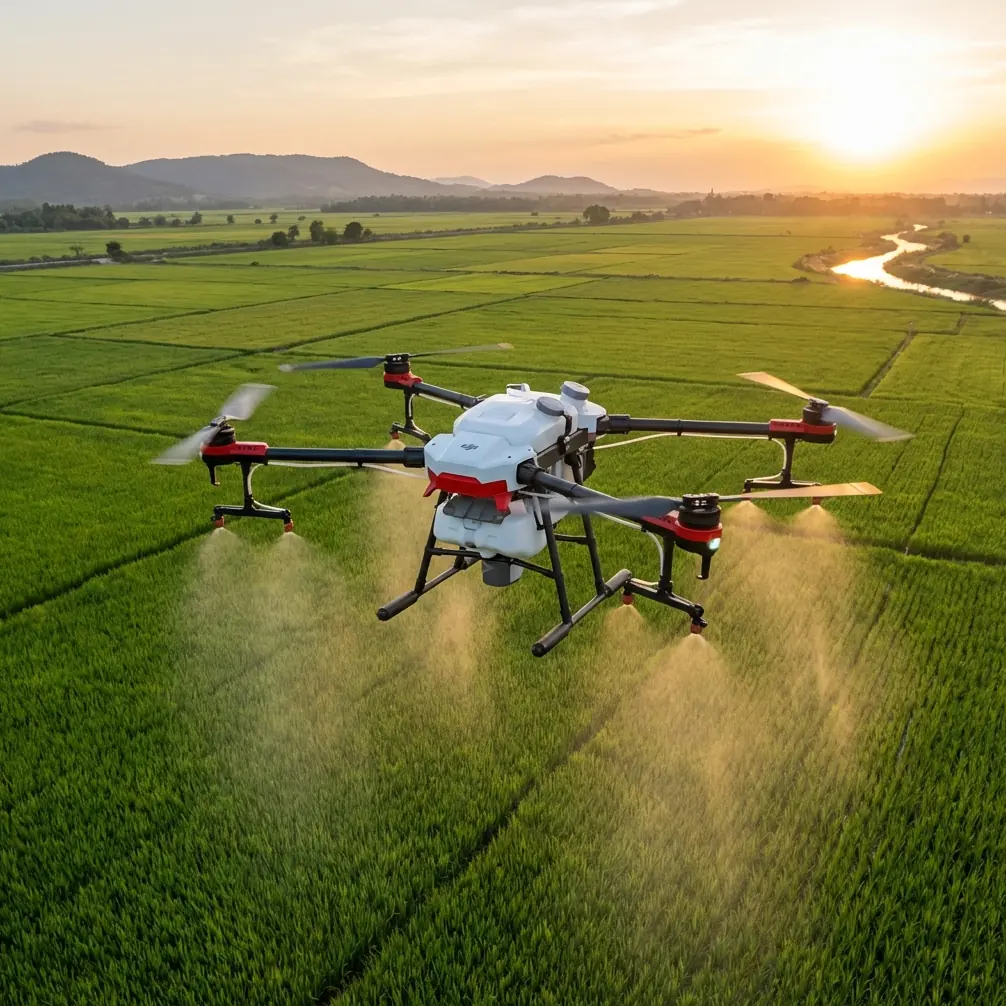
Expert Filming with Flip: How I Handle Power-Line Shoots in Extreme Temperatures
META: A practical how-to for filming power lines in extreme heat or cold with Flip, covering obstacle avoidance, ActiveTrack, D-Log, Hyperlapse, QuickShots, and safer workflow planning.
Power-line filming looks straightforward from the ground. Get a drone up, track the corridor, capture clean footage, move on.
That fantasy lasts until the weather turns hostile.
I learned that the hard way on a utility shoot where temperature swings changed everything. Early morning cold stiffened batteries and shortened confidence. By midday, heat shimmer rose off the access roads, wind shifted around towers, and the contrast between bright sky and dark hardware pushed the camera harder than expected. Add long linear infrastructure, repeating structures, and the constant need to keep safe separation from wires, and the margin for sloppy technique disappears fast.
That is where Flip changed my workflow.
Not because it removed the need for judgment. It didn’t. What it did was make high-stress filming more manageable by combining a few capabilities that matter a lot in this niche: obstacle avoidance, ActiveTrack-style subject tracking, quick automated shot options like QuickShots, Hyperlapse for corridor storytelling, and D-Log for holding image flexibility when light becomes ugly. Those features are common talking points in marketing copy. On a power-line shoot in extreme temperatures, they become operational tools.
This is the method I use now.
Why power-line filming gets difficult in temperature extremes
Power infrastructure is visually simple and operationally unforgiving.
The subject itself is narrow, elevated, repetitive, and surrounded by hazards. In neutral weather, that already demands discipline. In extreme heat or cold, several problems stack up:
- Battery behavior becomes less predictable
- Pilots rush because conditions feel uncomfortable
- Heat haze can soften apparent image detail
- Cold can reduce responsiveness in both equipment and crew
- Bright metal components and dark backgrounds create exposure headaches
- Wind near towers and open corridors rarely behaves the way it does at takeoff
The mistake many photographers make is approaching these missions like scenic flights. Power-line work is closer to industrial storytelling. Your footage has to be smooth, readable, and safe to capture. It has to show the line, the structure, the surrounding terrain, and often the maintenance context too.
That means your aircraft features need to support repeatability, not just creativity.
The first shift: stop relying on pure manual muscle memory
I used to fly these shoots almost entirely manually because that felt more “professional.” Then I had one corridor assignment in rough seasonal conditions where I spent more energy managing small corrections than actually composing useful images.
With Flip, obstacle avoidance immediately reduced that mental overload.
That matters more than it sounds. Around power-line routes, you are constantly dealing with towers, guyed structures, uneven terrain, and side obstacles near access paths. Obstacle avoidance is not a substitute for pilot responsibility, especially around utility infrastructure. But it can help reduce the chance that a small framing distraction turns into a larger positioning error. In difficult temperatures, when your focus and stamina are not at their best, that extra layer of situational support has real value.
Operationally, the significance is simple: it preserves attention for composition, route planning, and safe stand-off distance.
That changes the quality of the day.
Step 1: Plan the line before you launch
Before I even think about camera settings, I break the job into three shot categories:
- Context passes — wide shots showing the corridor and terrain
- Structure detail passes — towers, insulators, hardware, and line geometry
- Motion shots — reveals, tracking moves, and timed sequences
This sounds basic, but extreme weather punishes improvisation. If you launch without knowing which category you are capturing, you waste battery cycles and increase exposure to conditions.
For each segment of line, I decide:
- Where the sun will be during the flight window
- Which towers create the cleanest visual anchor
- Where terrain or vegetation may interfere with line-of-sight
- Which moves can be automated safely and which must stay manual
- How many takes I can realistically get before temperatures affect performance
Even one concrete planning number helps. I typically build a shot list of three core shots per tower segment before takeoff: one establishing angle, one lateral move, and one detail-oriented orbit or push. That limit keeps me disciplined.
Step 2: Use ActiveTrack carefully, and only where it makes sense
ActiveTrack is often discussed as a convenience feature for athletes, vehicles, or casual creators. In infrastructure work, it has a different role.
I do not use ActiveTrack on the lines themselves. I use it selectively on relevant moving ground subjects when I need supporting footage, such as a service vehicle traveling along an access road beneath a corridor. That gives the final sequence narrative value without forcing me to hand-fly every pass in bad conditions.
The operational significance is that ActiveTrack can free up attention for altitude consistency and environmental awareness while maintaining a stable relationship with the subject. When the weather is cold and your fingers are less precise, or when heat and glare are fatiguing your eyes, this matters.
The key is restraint. Utility footage is not improved by over-automation. It is improved by using automation only when it reduces pilot workload without compromising safety.
Step 3: Let obstacle avoidance support your angles, not choose them
This is where many operators misunderstand the feature.
Obstacle avoidance helps you work more confidently around terrain transitions and nearby obstacles, but it does not “understand” the visual demands of a power-line scene. The drone may detect an object. It does not know whether the shot needs a specific lateral line, a subtle descent, or a measured reveal of tower geometry.
So I use it as a backstop while I still design the move.
For example, when tracking parallel to a line corridor in uneven topography, obstacle avoidance can help during slight terrain rises or when side elements begin crowding the frame. In extreme temperatures, that reduces the need for abrupt corrective inputs, which is useful because abrupt inputs usually ruin industrial footage. Smoothness is everything here.
On days like that, a feature that helps avoid one hard braking moment can save an entire sequence.
Step 4: Shoot in D-Log when contrast gets nasty
If you film utility infrastructure long enough, you eventually end up with the worst possible light: glaring sky, dark tower steel, reflective components, and dusty or snowy ground adding contrast from below.
That is where D-Log earns its place.
I use D-Log when I know the scene will exceed what a standard look can comfortably hold, especially during midday heat or bright cold-weather conditions. The reason is practical, not fashionable. D-Log gives more flexibility to recover highlights and shape contrast later so the line hardware remains visible without the sky becoming a featureless mess.
Operationally, this matters because utility clients and project stakeholders often need footage that is not just cinematic, but legible. They want to see the corridor clearly. D-Log helps preserve that information when conditions are visually harsh.
One caution: do not switch to a log profile unless you are prepared to grade it properly. Flat footage that never gets corrected is worse than a well-exposed standard profile.
Step 5: Save QuickShots for repeatable support footage
QuickShots can be surprisingly useful in a power-line workflow if you treat them as repeatable inserts rather than hero shots.
I use them for support sequences around isolated towers, access tracks, staging areas, or environmental context where the move can be executed well away from wires and with clear airspace around the subject. They are especially handy when temperatures make multiple manual retakes inefficient.
That is the real significance. In extreme conditions, every extra flight minute matters. A repeatable automated move can secure a polished transitional shot quickly, leaving more battery and more attention for the complex footage you actually cannot automate.
QuickShots are not where you prove your flying skill. They are where you buy back time.
Step 6: Use Hyperlapse to explain the corridor, not just decorate the edit
Hyperlapse is one of the most underused tools in infrastructure storytelling.
Power lines stretch across space in a way that normal real-time video often struggles to communicate. You can show a tower. You can show a line. But scale, route continuity, and environmental context are harder to express. Hyperlapse solves that when used thoughtfully.
I use it to show the relationship between towers, terrain, road access, and surrounding land use. In extreme weather, that can also help capture the feeling of the conditions without forcing long exposure to them during repeated manual takes.
The significance is editorial clarity. Hyperlapse turns a collection of isolated structures into a readable network. For utility content, that is useful. For clients trying to explain an asset corridor to stakeholders, it is even better.
Step 7: Keep your movements boring in the best possible way
This is probably the biggest lesson I wish more photographers heard.
Power-line footage should not be flashy. It should be deliberate.
When conditions are extreme, dramatic stick movements, sudden altitude changes, and aggressive reveals usually create three problems at once:
- They increase pilot workload
- They raise the chance of framing errors
- They make infrastructure harder to read on screen
Flip helps most when you pair its intelligent features with restraint. Slow tracking passes, measured lateral slides, gentle ascents, and carefully controlled reveals tend to outperform complicated moves. The aircraft’s support features then become a force multiplier rather than a crutch.
That is a better way to work.
My cold-weather and heat workflow with Flip
Here is the practical sequence I follow now:
In cold conditions
- Keep batteries warm before flight
- Shorten first sorties until aircraft behavior is confirmed
- Use simpler shot plans early in the day
- Lean on obstacle avoidance to reduce fine correction stress
- Avoid overcommitting to long tracking sequences until handling feels consistent
In hot conditions
- Launch with your most essential shots already prioritized
- Watch for visual softness from heat shimmer in long corridor views
- Use D-Log when bright sky and reflective infrastructure create harsh contrast
- Capture critical tracking footage first, before fatigue sets in
- Reserve QuickShots and Hyperlapse for lower-risk support segments
That order matters because environmental stress affects people as much as machines. The best workflow is the one that reduces unnecessary decisions after takeoff.
The feature mix that actually matters on this kind of job
A lot of drone discussions treat features as separate bullets on a spec sheet. On a real utility shoot, they work as a system.
- Obstacle avoidance reduces mental strain in cluttered environments and supports smoother flight decisions
- ActiveTrack helps with selected support shots involving moving ground subjects
- QuickShots speed up repeatable context capture when conditions are draining time and energy
- Hyperlapse explains the corridor over distance
- D-Log protects image flexibility in brutal lighting
That combination is why Flip feels useful in this scenario. Not glamorous. Useful.
And useful wins jobs.
The human side: what changed for me
I used to come back from power-line shoots in bad weather feeling like I had survived them. The footage was often fine, but the process was tense. Too much concentration went into aircraft management and not enough into visual storytelling.
Flip shifted that balance.
I still plan carefully. I still fly conservatively. I still treat utility environments with respect. But now the aircraft supports the assignment instead of demanding all of my attention. That means I can think more like a photographer again: where the line leads the eye, how the towers layer against terrain, when the sky helps the composition, and when a simple motion says more than an elaborate one.
If you are building a workflow for this kind of filming and want to compare notes on setup or shot strategy, you can message me here.
That is the real difference. Better footage, yes. But also a calmer operator, cleaner decisions, and a stronger chance of getting the story right even when the weather wants to fight you.
Ready for your own Flip? Contact our team for expert consultation.