
Flip Guide: Filming Wildlife in Remote Locations
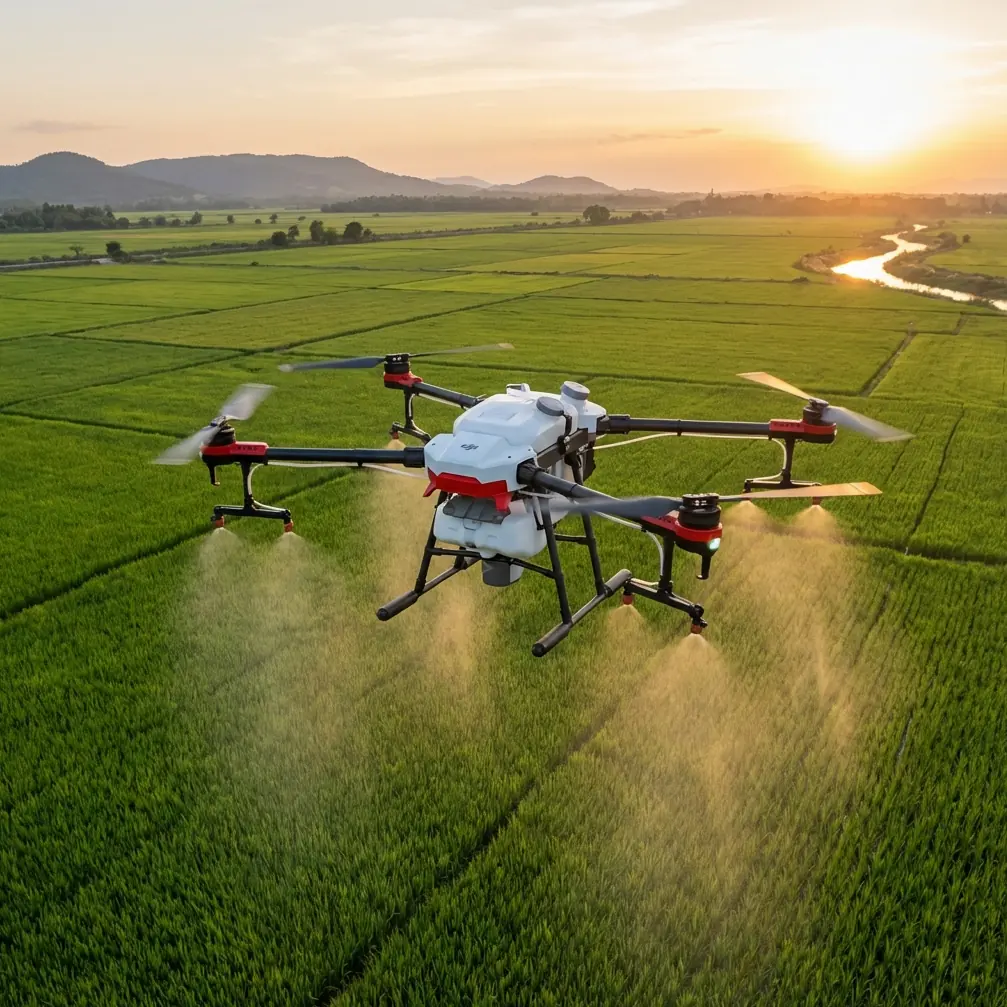
Flip Guide: Filming Wildlife in Remote Locations
META: Master wildlife filming with the Flip drone. Learn essential pre-flight prep, tracking features, and pro techniques for capturing stunning remote footage.
TL;DR
- Pre-flight sensor cleaning is critical for reliable obstacle avoidance in dusty, remote wildlife environments
- ActiveTrack and Subject tracking enable hands-free filming of unpredictable animal movements
- D-Log color profile preserves maximum dynamic range for professional post-production flexibility
- Hyperlapse and QuickShots create cinematic sequences without complex manual piloting
Wildlife cinematography pushes drone technology to its absolute limits. Dust, humidity, unpredictable subjects, and zero access to replacement parts create a perfect storm of challenges. The Flip addresses these obstacles with intelligent tracking systems and robust sensing capabilities—but only when properly maintained. This guide breaks down the exact workflow professional wildlife filmmakers use to capture broadcast-quality footage in the world's most demanding environments.
Why Remote Wildlife Filming Demands More From Your Drone
Traditional drone operation assumes relatively controlled conditions. Wildlife filming throws those assumptions out the window.
Animals don't follow scripts. They move erratically, change direction without warning, and often inhabit environments filled with obstacles—dense canopy, rocky outcrops, water features, and unpredictable terrain.
The Flip's sensor suite handles these challenges through:
- Multi-directional obstacle avoidance detecting hazards in real-time
- Subject tracking algorithms that predict and follow animal movement patterns
- Extended flight endurance for patience-demanding wildlife encounters
- Quiet motor design minimizing disturbance to sensitive species
Expert Insight: Wildlife behavior changes dramatically based on drone noise levels. The Flip's reduced acoustic signature allows closer approaches without triggering flight responses in most bird species and medium-sized mammals.
The Pre-Flight Cleaning Protocol That Saves Your Shot
Here's what separates amateur wildlife footage from professional results: obsessive pre-flight maintenance.
Remote environments coat sensors in fine particulates that degrade obstacle avoidance performance. A single dusty lens on your forward-facing sensors can cause the Flip to misread distances, triggering unnecessary emergency stops or—worse—failing to detect genuine hazards.
Essential Sensor Cleaning Steps
Step 1: Visual Inspection
Before every flight session, examine all sensor windows under direct light. Look for:
- Dust accumulation around sensor edges
- Moisture condensation (common in tropical environments)
- Insect residue or organic debris
- Micro-scratches affecting sensor clarity
Step 2: Compressed Air Application
Use a rocket blower (never canned air with propellants) to remove loose particles. Hold the drone at a 45-degree angle to prevent debris from settling into gimbal mechanisms.
Step 3: Microfiber Cleaning
Apply lens cleaning solution to a microfiber cloth—never directly to sensors. Use circular motions from center outward, applying minimal pressure.
Step 4: Functional Verification
Power on the Flip and verify all obstacle avoidance indicators show green status. The system performs automatic sensor calibration during startup, flagging any detection issues.
| Sensor Location | Primary Function | Cleaning Priority |
|---|---|---|
| Forward | Obstacle avoidance during flight | Critical |
| Downward | Altitude hold, landing assist | High |
| Backward | Return-to-home navigation | Medium |
| Lateral | Side obstacle detection | Medium |
Pro Tip: Carry a dedicated sensor cleaning kit weighing under 200 grams. Include a rocket blower, two microfiber cloths, lens cleaning solution, and a small LED flashlight for low-light inspections.
Mastering Subject Tracking for Unpredictable Wildlife
The Flip's ActiveTrack system transforms wildlife filming from a two-person operation into a solo-capable workflow.
How ActiveTrack Handles Animal Movement
Traditional manual tracking requires constant stick input, dividing your attention between flight control and composition. ActiveTrack shifts this burden to onboard processing.
The system analyzes visual characteristics of your selected subject:
- Color patterns and contrast boundaries
- Movement velocity and direction
- Size relative to frame
- Depth positioning in three-dimensional space
When tracking a running antelope or circling bird of prey, ActiveTrack predicts trajectory based on movement history, positioning the drone to maintain optimal framing even during rapid direction changes.
Subject Tracking Configuration for Wildlife
Tracking Mode Selection
- Trace Mode: Follows behind the subject, ideal for migration footage
- Profile Mode: Maintains lateral positioning, perfect for running sequences
- Spotlight Mode: Locks camera while allowing free drone movement
Sensitivity Adjustments
Wildlife tracking benefits from medium sensitivity settings. High sensitivity causes erratic corrections when animals make sudden movements. Low sensitivity risks losing lock during rapid acceleration.
Obstacle Avoidance Integration
Enable APAS (Advanced Pilot Assistance Systems) during tracking operations. The Flip automatically navigates around obstacles while maintaining subject lock—essential when following animals through partially obstructed terrain.
Cinematic Techniques: QuickShots and Hyperlapse in the Wild
Automated flight modes deliver professional-grade shots without complex piloting skills.
QuickShots for Wildlife Context
QuickShots create dynamic reveals and establishing shots that place wildlife within their broader environment.
Dronie: Flies backward and upward while keeping the subject centered. Use this to reveal habitat scale—a watering hole surrounded by savanna, a bear fishing spot along a river system.
Circle: Orbits the subject at a fixed distance. Exceptional for stationary wildlife—nesting birds, resting predators, grazing herds.
Helix: Combines circular movement with altitude gain. Creates dramatic reveals of landscape context while maintaining subject focus.
Rocket: Rapid vertical ascent with downward camera angle. Captures the moment of animal departure—birds taking flight, herds scattering.
Hyperlapse for Environmental Storytelling
Wildlife documentaries require more than animal footage. Hyperlapse sequences establish location, time passage, and environmental conditions.
The Flip's Hyperlapse modes include:
- Free Mode: Manual waypoint selection for custom paths
- Circle Mode: Automated orbit with time compression
- Course Lock Mode: Straight-line movement with consistent heading
- Waypoint Mode: Complex multi-point paths with altitude variations
Recommended Settings for Wildlife Environments
| Parameter | Suggested Value | Rationale |
|---|---|---|
| Interval | 2-3 seconds | Balances smoothness with reasonable capture time |
| Duration | 5-10 seconds final | Longer sequences lose viewer attention |
| Speed | Slow | Prevents motion blur in individual frames |
| Resolution | Maximum | Allows stabilization cropping in post |
D-Log: Preserving Dynamic Range in Challenging Light
Wildlife filming rarely offers controlled lighting. Dawn and dusk—prime activity periods for most species—present extreme dynamic range challenges.
D-Log captures a flat color profile that preserves highlight and shadow detail for post-production grading.
When to Use D-Log
- High contrast scenes: Bright sky with shadowed forest floor
- Golden hour filming: Extreme warm tones requiring correction flexibility
- Mixed lighting: Dappled sunlight through canopy
- Professional delivery: Footage destined for color grading pipelines
D-Log Workflow Considerations
D-Log footage requires post-production color grading. Shooting in this profile without grading produces flat, desaturated results.
Exposure Strategy
Expose to protect highlights. D-Log shadow recovery is more forgiving than highlight recovery. Use the Flip's histogram display to verify no clipping occurs in bright areas.
White Balance
Set white balance manually rather than using auto. Consistent white balance across clips simplifies batch grading workflows.
Common Mistakes to Avoid
Neglecting Sensor Maintenance
Dirty sensors cause obstacle avoidance failures at the worst possible moments. Clean before every session, not just when problems appear.
Over-Relying on Automated Tracking
ActiveTrack excels at following subjects but cannot anticipate environmental hazards outside its detection cone. Maintain situational awareness even during automated operations.
Ignoring Battery Temperature
Remote locations often mean extreme temperatures. Cold batteries deliver reduced capacity; hot batteries risk thermal throttling. Keep spares at moderate temperatures until needed.
Filming Too Close, Too Soon
Wildlife requires acclimation to drone presence. Start at maximum distance, gradually decreasing over multiple flights. Rushing this process triggers avoidance behaviors that ruin footage opportunities.
Forgetting Backup Storage
Remote locations mean no second chances. Carry minimum three memory cards and transfer footage to backup drives daily.
Frequently Asked Questions
How close can the Flip safely approach wildlife without causing disturbance?
Distance requirements vary dramatically by species. Most birds tolerate approaches to 30-50 meters after acclimation. Large mammals often accept 20-30 meter distances. Marine mammals and nesting birds require 100+ meter buffers in most jurisdictions. Research specific species sensitivity and local regulations before filming.
Does obstacle avoidance work effectively in dense forest environments?
The Flip's obstacle avoidance performs well in moderately dense vegetation but has limitations. Thin branches, leaves, and fine obstacles below sensor resolution thresholds may not trigger avoidance responses. In dense canopy, reduce speed to 3-5 meters per second and maintain manual override readiness.
What's the best approach for filming fast-moving animals like running predators or flying birds?
Configure ActiveTrack to Profile mode for running subjects, positioning the drone laterally to capture full stride motion. For birds in flight, Spotlight mode provides maximum flexibility—you control drone position while the gimbal maintains subject lock. Pre-position along predicted flight paths rather than attempting pursuit from behind.
Wildlife cinematography with the Flip rewards preparation and patience. Clean sensors ensure reliable obstacle avoidance. Proper tracking configuration handles unpredictable animal movement. D-Log preserves the dynamic range that challenging natural light demands. Master these fundamentals, and remote wildlife footage becomes consistently achievable rather than occasionally lucky.
Ready for your own Flip? Contact our team for expert consultation.