
Inspecting Solar Farms in Extreme Temperatures With Flip
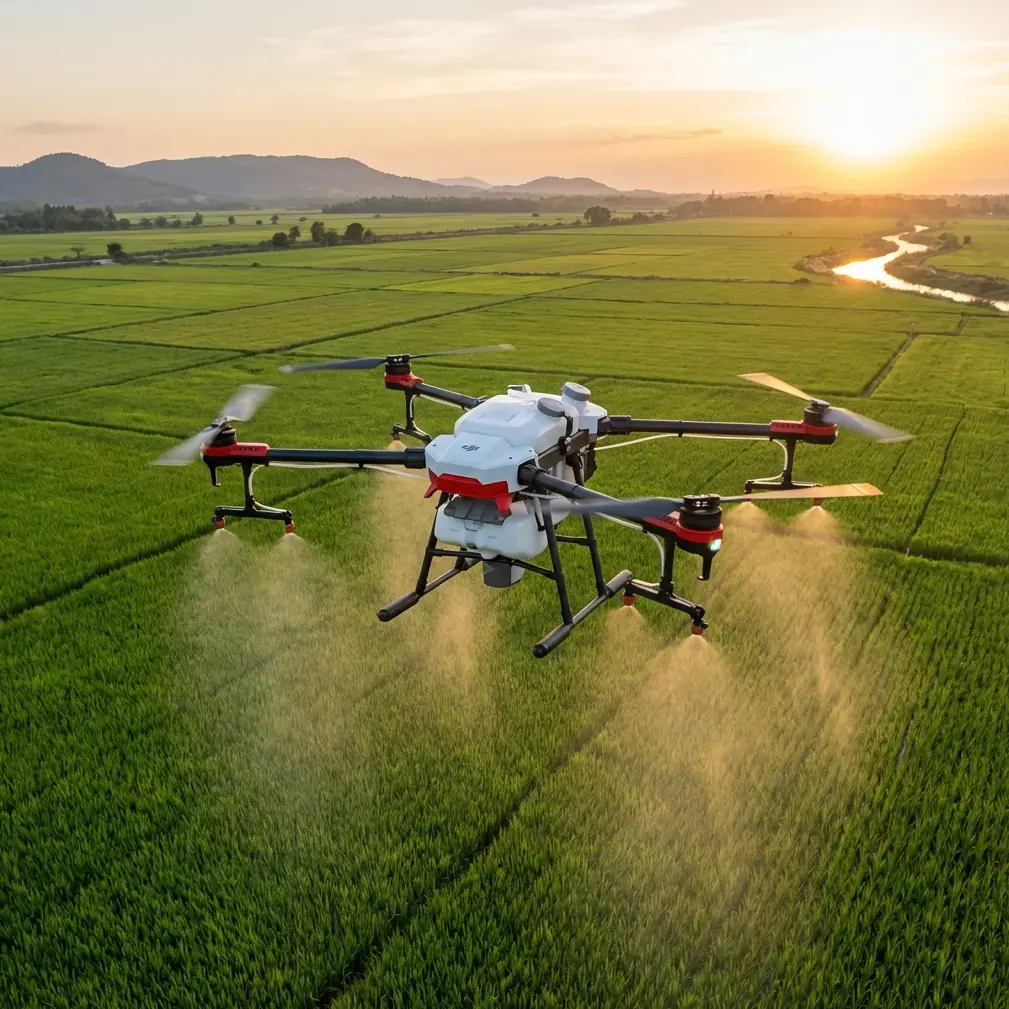
Inspecting Solar Farms in Extreme Temperatures With Flip: Practical Field Tips That Actually Matter
META: Learn how to use Flip for solar farm inspections in extreme heat and cold, with practical advice on obstacle avoidance, EMI handling, antenna adjustment, ActiveTrack, D-Log, Hyperlapse, and efficient flight planning.
Solar farms look simple from a distance. Rows of repeating panels. Open space. Predictable geometry. Then you arrive on site in midsummer or in a hard winter wind and discover the real workload: heat shimmer, reflective surfaces, long walking distances, intermittent electromagnetic interference, and pressure to capture usable data fast without repeat flights.
That is where a compact platform like Flip becomes interesting.
Not because small drones are automatically better, but because inspection work in harsh temperatures rewards aircraft that can be deployed quickly, repositioned often, and flown with discipline around signal conditions and image consistency. If your goal is to inspect solar assets rather than produce cinematic footage, the way you configure and fly matters far more than spec-sheet bragging rights.
I’ve been thinking about this through a broader lens as well. One recent reference from huanqiu_uav described a swarm test in which a single operator directed 20 drones at once. Set aside the sensitive context behind that report and focus on the operational lesson that does apply to civilian inspection: modern drone workflows are moving toward higher coordination, lower pilot workload, and more autonomous behavior managed by fewer people. That matters for solar inspections because utility-scale sites already demand exactly that mindset. You are often trying to cover large, repetitive infrastructure with consistency, not improvisation.
So the practical question becomes: how do you use Flip intelligently on a solar farm when temperatures are extreme and signal conditions can get messy?
Start with the real constraint: thermal stress changes the entire workflow
Extreme temperatures do not just affect battery endurance. They affect pilot decision-making, image quality, radio reliability, and the pace of the inspection.
In high heat, the problems usually stack up like this:
- batteries warm quickly before and during flight
- mobile devices overheat in direct sun
- panel glare makes framing harder
- atmospheric shimmer softens distant visual detail
- pilots rush because standing in the field becomes physically draining
In cold conditions, the stack is different:
- battery output can sag early if packs are not conditioned
- fingers lose dexterity during fine control inputs
- wind can feel stronger around open arrays
- condensation risk appears when moving equipment between vehicles and field conditions
Flip works best in this environment when you treat each flight as a short, deliberate capture task rather than one long sortie. That sounds basic, but it changes everything: route design, camera settings, and how you handle return-to-home margins.
Use repetition to your advantage
Solar farms are one of the few inspection environments where repeating structure can become a strength. The rows are consistent. The inspection objectives are usually known in advance. That means you can build a repeatable flight pattern that reduces mental load.
This is where the “one operator, many assets” lesson from that 20-aircraft reference has a surprising civilian parallel. You may only be flying one Flip, but the site itself behaves like a scaled system. Hundreds or thousands of modules. Similar defects. Similar spacing. Similar turns. The operational significance is simple: consistency beats creativity.
On a real job, I’d break the site into zones based on:
- inverter and combiner box placement
- likely EMI hotspots
- road access and launch points
- sun angle during the inspection window
- thermal severity across the day
Once those zones are mapped, Flip becomes a fast-response inspection tool rather than a wandering camera platform.
The overlooked issue on solar sites: electromagnetic interference
People talk a lot about wind and heat. They talk much less about electromagnetic interference, even though it can quietly degrade confidence in the link and force awkward positioning.
Solar farms can generate localized interference around electrical infrastructure, especially near inverters, transformers, and transmission-adjacent equipment. You may not lose control, but you can see unstable signal behavior, inconsistent image transmission, or subtle hesitation in your own handling because the feed does not feel clean.
The answer is not panic. It is setup discipline.
Antenna adjustment is not a minor detail
If there is one field habit I’d teach every newer pilot inspecting energy assets, it is this: stop treating antenna position as an afterthought.
When EMI is present, antenna adjustment becomes operationally significant because it can mean the difference between a stable inspection pass and a cautious retreat that wastes battery and time. Keep the controller oriented so the strongest part of the transmission pattern supports the aircraft’s position, especially when flying low along panel rows. If the signal begins to fluctuate near electrical equipment, do not simply push through. Reposition yourself laterally, gain a bit of altitude if safe, and refine antenna alignment before continuing.
That small correction often does more than people expect.
On solar sites, panel geometry also creates visual monotony. Pilots can lose awareness of their body orientation because everything in front of them looks the same. If the signal weakens while the view is repetitive, many people instinctively blame the drone. Often the fix is simpler: rotate your own stance, open the line of sight, and adjust the controller orientation to better support the link.
If you want to discuss site-specific EMI behavior or setup logic, this WhatsApp field support channel is a practical place to continue the conversation.
Obstacle avoidance still matters, even on “open” sites
A solar farm looks obstacle-free until you actually fly one carefully.
The obvious hazards are perimeter fencing, utility poles, maintenance vehicles, drainage structures, cable runs, weather stations, and occasional vegetation encroachment. The less obvious issue is height perception. Repeating panel rows can flatten your visual judgment, especially under harsh noon light or when glare washes out texture.
Flip’s obstacle avoidance is useful here not as a substitute for planning, but as a buffer against low-level mistakes during close inspection passes. If you are moving alongside rows to examine damaged modules, soiling patterns, misalignment, or hotspot-related visual anomalies, obstacle sensing gives you margin when attention is split between framing, telemetry, and environmental awareness.
That said, obstacle systems can be challenged by reflective surfaces and poor visual contrast. In snow, intense glare, or late-day low-angle sunlight, you still need conservative spacing. Do not build a flight style that assumes the aircraft will save every poor line choice.
ActiveTrack and subject tracking are niche tools here — but still useful
A lot of drone features get mentioned in inspection marketing without much thought. Subject tracking is one of them. Solar panels do not move, so on the surface ActiveTrack sounds irrelevant.
But there are two practical uses.
First, when documenting maintenance operations, ActiveTrack can follow a technician or service vehicle moving between strings. That can help create context footage showing where a defect cluster sits relative to the work area. Second, in training scenarios, subject tracking can help a pilot maintain framing discipline while practicing safe offset movement over non-critical sections of the site.
This matters because inspection teams rarely need just defect imagery. They also need documentation that explains access, scale, and workflow. That is where QuickShots and carefully used tracking modes can add value, not as flashy extras, but as supporting visuals for reports, handoffs, and stakeholder updates.
Use D-Log when the light is ugly, not just when you want “cinematic” footage
Solar sites produce brutal contrast. Bright panels, deep shadows beneath rows, pale ground, reflective glare, and haze. In extreme temperatures, the light often gets worse, not better. Heat shimmer in summer and stark contrast in winter both punish automatic settings.
D-Log can be genuinely useful during inspection support work because it preserves more flexibility when the scene contains bright reflections and shadow detail in the same frame. That does not turn Flip into a thermal inspection platform by itself, of course, but it does help when your job includes documenting visible conditions around suspect modules, damaged glass, frame distortion, soiling patterns, vegetation pressure, or maintenance issues.
The operational significance is straightforward: if your footage clips highlights off reflective panel surfaces, you may lose visual evidence that helps explain what happened on site. A flatter capture profile gives your team more room to normalize exposure later and produce a cleaner, more consistent report record.
For pure inspection repeatability, I’d also recommend locking your white balance once conditions are stable. Auto white balance on long rows of reflective material can drift in ways that make side-by-side comparisons less useful.
Hyperlapse is better for change documentation than most teams realize
Hyperlapse gets dismissed as a creative mode, but on large solar projects it can serve a practical documentation role.
If you need to show progressive conditions across a broad site — snow melt, vegetation encroachment, construction progress near energized assets, access path deterioration, tracker movement context, or cleaning status across multiple blocks — Hyperlapse can condense a long route into something a project manager will actually watch.
This is where compact deployment helps. You can launch Flip from multiple points through the day and build time-compressed records without dragging a large setup across the site. In extreme weather, that reduced setup burden is not a luxury. It preserves operator focus.
Flight planning for extreme heat: keep the aircraft cool before takeoff
The easiest mistake in summer is letting the whole system bake before flight.
Do not stage batteries, controller, and phone or tablet in direct sun while talking through the mission. Keep packs shaded until needed. Prepare your route before powering up. Use the first minute of flight to assess signal stability, glare, and wind behavior over the rows rather than racing straight into the far end of the site.
On especially hot days, shorter flights with cleaner objectives almost always outperform ambitious long runs. You come back with better footage, more battery margin, and fewer heat-related compromises.
I also like to structure hot-weather inspections around the sun angle instead of the clock alone. Very early and later windows can reduce glare and pilot fatigue. Midday may still be necessary, but it should be reserved for tasks that truly benefit from overhead light.
Flight planning for cold conditions: protect battery confidence
Cold-weather flying punishes casual habits. If battery temperature starts low, voltage behavior can become less predictable under load. That is not the time to launch on a long outbound leg over repetitive terrain.
In winter inspections, keep batteries conditioned before use, reduce the temptation for aggressive acceleration early in flight, and establish a stricter return threshold than you would on a mild day. The rows may make the route look easy, but the aircraft still needs enough reserve to handle wind shifts and conservative repositioning.
Cold also changes human performance. If your fingers are stiff, precision suffers. That is another reason to rely on preplanned, modular passes instead of freestyle flying.
A practical capture sequence for Flip on solar farms
If I were building a repeatable how-to routine for Flip in this environment, it would look like this:
1. Launch from a clean signal position
Stay clear of the heaviest electrical equipment at takeoff if possible. Confirm link quality before starting the inspection pattern.
2. Run a short systems check pass
Fly a brief low-risk segment to evaluate glare, wind, and image transmission. If EMI appears, adjust your own position and antenna orientation first.
3. Capture wide context
Use stable, higher-altitude passes to record block layout, access roads, and work areas. This gives the inspection record structure.
4. Move into detailed rows
Fly deliberate lateral passes along selected strings or defect-prone zones. Keep obstacle avoidance active, but maintain manual spacing discipline.
5. Document maintenance context
If crews are present, use ActiveTrack or controlled subject tracking to capture technician movement only where safe and relevant.
6. Use D-Log for difficult contrast
Particularly useful when reflections and hard shadows are overwhelming normal profiles.
7. Build progress visuals with Hyperlapse
For large or repeated site visits, this creates a compact visual record that non-pilots can understand quickly.
8. Land early, review, relaunch
In extreme temperatures, reviewing often beats assuming everything is fine until the end of the shift.
Why Flip fits this specific job
The strongest case for Flip in solar inspections is not that it replaces every other platform. It is that it suits the field reality of these jobs: many short repositionings, changing light, repetitive assets, and the need for efficient documentation without making setup the hardest part of the day.
That broader trend toward lower operator burden also connects back to the reference point from huanqiu_uav. When one operator can coordinate 20 drones in a test environment, the takeaway for civilian users is not about scale for its own sake. It is about workflow simplification. Drone operations are steadily being shaped around smarter assistance, more structured tasks, and greater efficiency per person. On a solar farm, that translates into fewer wasted flights, cleaner data capture, and safer, calmer decision-making under environmental stress.
And that is really the point. Good inspection flying is rarely dramatic. It is controlled. Repeatable. Boring in the best possible way.
If you can manage EMI with smart antenna adjustment, lean on obstacle avoidance without becoming dependent on it, use D-Log when the light turns harsh, and keep each flight narrowly purposeful, Flip becomes a very capable tool for inspecting solar farms in both heat and cold.
Ready for your own Flip? Contact our team for expert consultation.