
Flip for solar farms in low light: how backlighting becomes
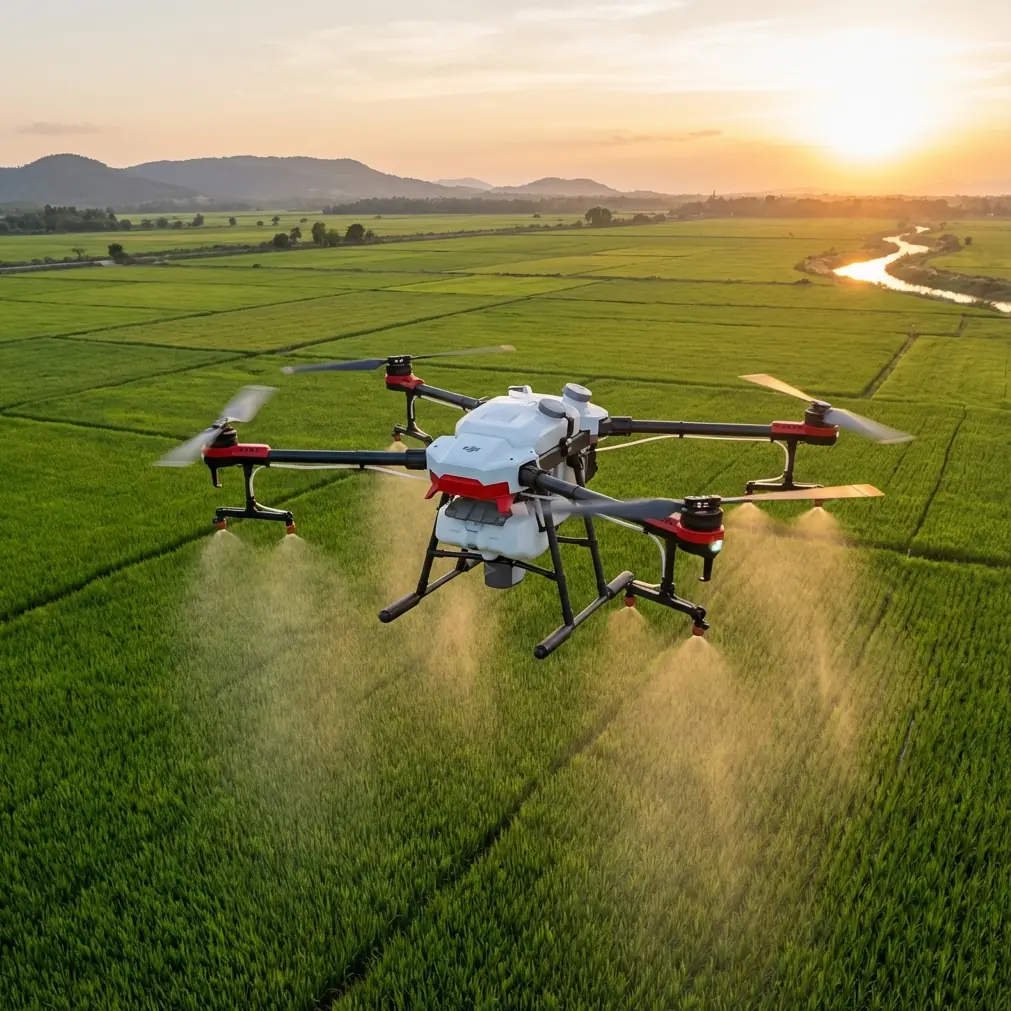
Flip for solar farms in low light: how backlighting becomes an inspection advantage
META: A field-driven look at using Flip for low-light solar farm inspections, with practical insight on backlighting, subject separation, obstacle avoidance, D-Log, and safer twilight capture.
I learned to stop treating backlight like a mistake the day a solar inspection nearly fell apart at dusk.
The site was wide, reflective, and visually deceptive in all the ways solar farms often are. Rows of panels threw glare in one direction, deep shadows in another, and every frame looked flatter than the scene felt in person. I was trying to document edge damage, panel contamination patterns, and the spacing between strings before the light disappeared. What I got at first was a sequence of images where the arrays blended into the landscape and the support structures lost definition.
That experience changed how I approach low-light work, and it is exactly why Flip makes sense for this kind of job.
Most people hear “low light” and think they need to avoid shooting into the sun or any strong light source behind the subject. In practice, that instinct can work against you on a solar site. Backlighting, used correctly, is often what gives an inspection image enough separation to be useful. When the light source sits behind the subject, it creates a stronger contrast between illuminated edges and darker surfaces. That matters operationally because solar farms are full of repetitive geometry. If your drone footage cannot clearly separate panel rows, mounting hardware, vegetation encroachment, cable runs, and perimeter features, your review becomes slower and less reliable.
The underlying photography principle is simple but powerful: when light comes from behind the subject, it produces pronounced bright-dark contrast, helping the subject stand apart from the background and adding depth to the frame. In the field, that can mean the difference between a visually crowded image and one where structural boundaries are immediately readable.
For solar farm inspections, that is not an artistic luxury. It is a workflow advantage.
The real low-light problem on solar farms
Solar sites during sunrise or sunset can look beautiful and still be difficult to document well. Those periods often offer exactly the kind of light that photographers prefer: moderate intensity, softer color, and warm tones ranging from orange-red to golden yellow. That same window is also highly practical for inspection crews. Winds are often calmer, heat shimmer is reduced compared with midday, and the visual rhythm of the site becomes easier to interpret from the air.
But there is a catch.
The lower sun angle produces long shadows across rows, access tracks, fencing, combiner boxes, and vegetation. If your drone handling is not confident and your framing tools are weak, you end up spending too much time correcting position, avoiding obstructions, and trying to reacquire the right subject line. On a large site, those wasted seconds multiply fast.
This is where Flip changes the equation. Not because low light becomes magically easy, but because the aircraft’s practical flight aids and imaging modes reduce the friction that usually shows up at the worst time of day.
Why backlight is useful on a solar site, not just pretty
In photography, backlight is often associated with hair light, silhouettes, edge definition, and a translucent look in certain materials. Translate that into solar inspection language and the value becomes obvious.
A panel row seen with the sun behind it can develop a clean rim along its outer boundary. Support posts and trackers can read more clearly against the land behind them. The edges of panel groups can stand apart from darker terrain. If there is morning moisture, dust, or contamination, the way the light skims across surfaces can reveal texture and pattern that looks dead under flatter illumination.
The key reference point here is that backlight creates strong tonal separation between subject and background while increasing the sense of layering in the frame. On a solar farm, that depth cue helps crews interpret spacing, slope, row alignment, and foreground-background relationships more quickly during review.
That is why I no longer see sunrise and sunset as “nice if possible” windows. For certain documentation passes, they are the right windows.
Where Flip helps when the light gets tricky
A lot of drones can capture an attractive sunset clip. That is not the same as helping an operator finish an inspection safely and consistently when illumination is uneven.
Flip’s value in this scenario comes from a combination of control, automation, and image flexibility.
Obstacle avoidance matters more at low sun angles
Solar farms are not obstacle-free just because they look open from above. There are row ends, utility poles, fencing, inverters, service vehicles, terrain transitions, and occasional vegetation pockets. In low-angle light, your visual perception can be less forgiving. Contrast is dramatic, but shadows can hide details and reflective surfaces can be misleading.
Obstacle avoidance is not just a convenience feature here. It helps preserve smooth, repeatable movement when you are tracing along array lines or repositioning near infrastructure at the edge of day. That means fewer abrupt inputs, less chance of breaking composition, and more confidence when maintaining a precise path through a cluttered perimeter or service corridor.
ActiveTrack and subject tracking reduce rework
At a solar farm, “subject” does not always mean a person or vehicle. It can mean a row, a maintenance path, a perimeter route, or a designated point of interest in a documentation sequence. Subject tracking tools, including ActiveTrack-style functionality, matter because they lower the pilot’s workload when the framing challenge is already high.
In difficult backlight, manually keeping a moving maintenance cart or a technician team properly placed in frame while also preserving environmental context can become tedious fast. Automated tracking lets you hold the storytelling layer of the image while paying more attention to flight path, safety, and scene geometry. That is especially useful if your deliverable includes progress records or operational overviews rather than only isolated stills.
D-Log gives low-light footage room to breathe
Backlit scenes are contrast-heavy by nature. Bright sky, reflective surfaces, and dark structures all compete inside the same frame. If your footage is too baked in, correction later becomes a compromise.
This is where D-Log earns its place. For solar inspections shot near sunrise or sunset, a flatter profile can preserve more usable detail across those bright and dark zones, giving you more control when you need to recover the structure of the scene in post. That matters if your client wants footage that is both readable and presentation-ready. A clipped sky or crushed foreground may still “look dramatic,” but it is less useful when teams need to evaluate context around site conditions.
I often think of D-Log as insurance for indecisive light. You may not need every bit of latitude on every pass, but when the sun is hovering just behind the array line, you will be glad the file gives you options.
A practical low-light workflow with Flip
When I inspect or document a solar farm at the beginning or end of the day, I do not chase random cinematic shots. I build a simple structure.
First, I identify where the sun will sit relative to the rows. Because backlight works best when the light source is behind the subject, I choose flight lines that let the arrays, fencing, service lanes, or technicians separate from the landscape. This is where the reference advice about moderate, soft backlight is especially useful. Harsh overhead contrast is not the goal. The better window is when the light is gentler and warmer, often around sunrise or sunset.
Second, I use the scene’s natural geometry. A solar farm gives you lines for free. Let them lead the frame. When the light hits from behind, those lines often gain a luminous edge or a cleaner silhouette. Instead of fighting the contrast, I lean into it.
Third, I decide what needs documentation versus what needs motion. If I am capturing stable site-overview passes, I prioritize clean pathing and repeatable framing. If I need a more explanatory sequence for a stakeholder update, QuickShots or a restrained Hyperlapse can help illustrate site scale, road access, row density, or work progress without adding unnecessary complexity. Used carefully, these modes are not gimmicks. They can compress space and time in a way that helps non-pilots understand the operational layout.
Fourth, I monitor highlights aggressively. Backlight can turn metal edges, glass, and sky into problem areas fast. Flip’s imaging tools help, but discipline still matters. Better to preserve recoverable information than to trust a dramatic live view.
The difference between pretty footage and useful inspection media
This is where many operators get stuck. They assume that if a shot has mood, it must have less technical value. That is not true.
A well-executed backlit frame can be more useful than a flat midday one because it separates the subject from the background, strengthens the scene’s layers, and clarifies the site’s physical layout. Those are not artistic abstractions. They directly affect how quickly a reviewer can parse what they are seeing.
For example, when the low sun creates a bright edge along panel rows, the alignment of those rows becomes easier to read across distance. When a technician or service vehicle is framed against a warm backlit horizon, the scale of the site becomes more immediately understandable. When structural elements hold their outline instead of blending into a cluttered background, reporting gets cleaner.
This is why I tell operators not to dismiss silhouette logic. A pure silhouette may hide some surface detail, yes. But partial silhouette, edge light, and contour emphasis can make context clearer. On a solar farm, context is often the first thing a remote reviewer needs.
What made Flip easier than my old approach
Before I started relying on a more capable workflow, low-light inspections felt like juggling. I was balancing exposure decisions, route safety, framing, and site awareness while trying to finish before the light collapsed. The weakest point was always consistency. One row would look beautifully separated. The next would sink into shadow. Then I would spend extra time re-flying simple passes because I had been too busy managing the aircraft to really read the image.
Flip reduced that strain.
Obstacle avoidance gave me more confidence near site edges and infrastructure. Tracking tools made moving documentation less fragile. D-Log gave me a better margin when the contrast spiked. And the ability to work with the logic of backlight, rather than against it, changed the quality of the output. I was not just getting more attractive footage. I was getting footage that explained the site better.
That distinction matters to asset owners, EPC teams, maintenance contractors, and documentation specialists alike. The best inspection images are not the ones that merely prove the drone was there. They are the ones that organize the scene for faster understanding.
If you inspect solar farms, rethink your light
The biggest mistake I see in low-light drone work is treating sunrise and sunset as visual hazards rather than operational tools. Backlight, when used with intention, creates the exact contrast and subject separation that repetitive industrial environments often need.
And the reference photography principle is not abstract. Light behind the subject produces stronger bright-dark contrast. It separates foreground from background. It enhances layering. It can render edges, silhouettes, and outlines with unusual clarity. Pair that with the softer, warmer quality of sunrise or sunset light, and you get a shooting window that is both readable and atmospheric.
That is a strong fit for solar farm work, especially when the aircraft supports the pilot instead of competing for attention.
If you are building a low-light inspection workflow around Flip and want to compare setup ideas for route planning, capture modes, or post-production handling, you can message the team here.
Backlight is not the enemy of inspection accuracy. Used well, it is one of the cleanest ways to make a complex site legible from the air.
Ready for your own Flip? Contact our team for expert consultation.