
Flip Guide for Urban Venue Inspection: Safer Flights Start
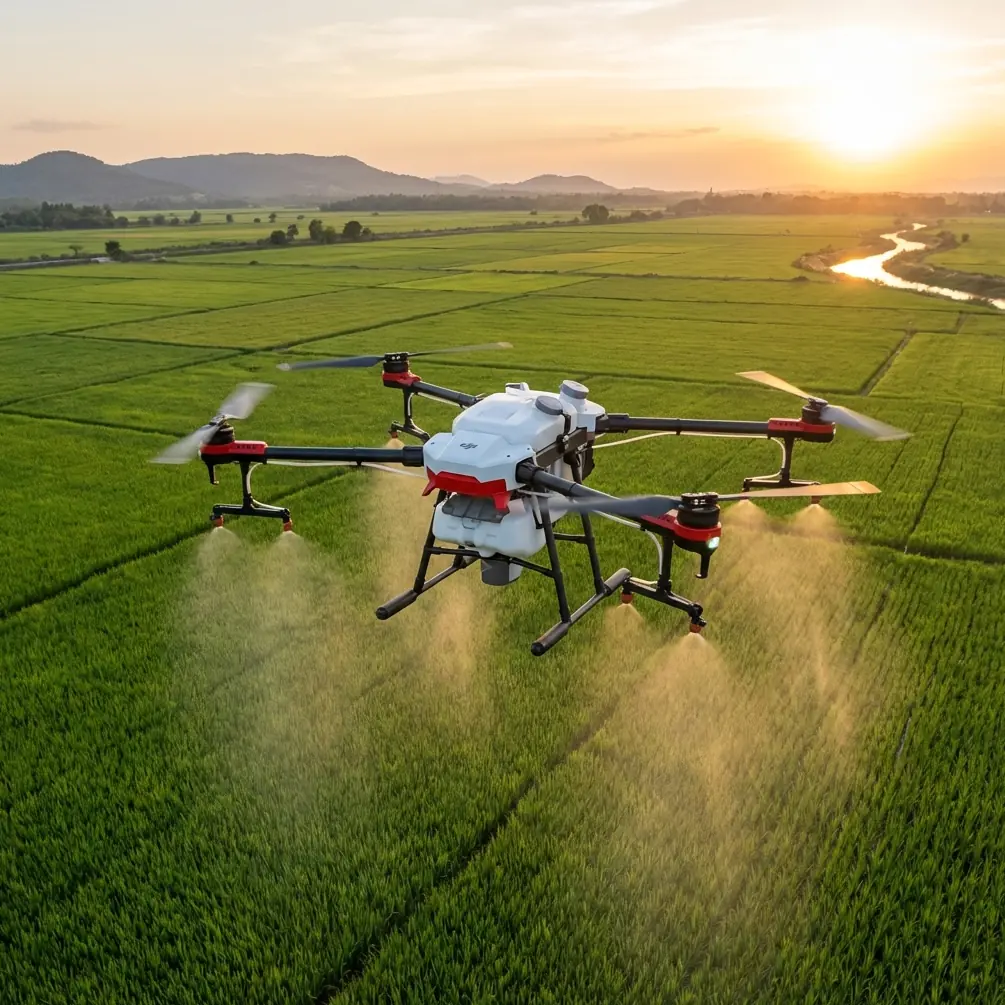
Flip Guide for Urban Venue Inspection: Safer Flights Start Before Takeoff
META: A practical Flip tutorial for urban venue inspection, covering pre-flight cleaning, obstacle avoidance checks, flight stability habits, and smart tuning logic inspired by UAV inspection procedures.
Urban venue inspection sounds simple until you’re threading a small aircraft through reflective glass, steel railings, roof edges, light poles, signage, and tight approach corridors. That’s where a Flip workflow needs to be more disciplined than casual recreational flying. The difference between a clean inspection run and a ruined one often starts with details people skip on the ground.
One of those details is cleaning.
Not for appearance. For sensing.
If you’re using Flip to inspect urban venues—stadiums, event halls, rooftops, mixed-use complexes, courtyards, transport-adjacent buildings—the pre-flight cleaning step is directly tied to safety features such as obstacle avoidance and subject-aware tracking modes. Smudged vision sensors, dust on lenses, or residue on camera surfaces can quietly degrade how the aircraft interprets its surroundings. In a city environment, where margins are tighter and obstacles are layered at different heights, that matters more than most pilots admit.
This guide takes a tutorial approach, but with a stricter operational mindset drawn from helicopter inspection procedure logic. One technical reference stands out here: a UAV inspection guide that emphasizes parameter discipline, live tuning control, and immediate fallback to manual control when the aircraft shows unstable behavior. Even though Flip users are not tuning a large inspection helicopter in the same way, the operational lessons transfer remarkably well to urban venue work: know what your aircraft is reacting to, change only what you understand, and never ignore early signs of instability.
Start with the safety systems, not the camera settings
A lot of urban pilots begin with image goals. They think about D-Log, framing, QuickShots, Hyperlapse routes, or whether ActiveTrack can follow a façade reveal. Those tools matter. But before any creative or reporting workflow begins, Flip’s perception system has to be reliable.
So build the first two minutes of your pre-flight around sensor readiness:
- Clean the forward and downward sensing areas carefully
- Check the main lens for fingerprints, especially if the drone was handled after battery insertion
- Inspect for dust, moisture, or grime from transport
- Confirm there are no stickers, covers, or residue affecting visual sensors
- Verify the aircraft body is free from debris around moving parts
Why put this first? Because urban inspection depends on accurate spatial reading. Obstacle avoidance is not a magical shield. It’s a sensing-and-decision process that can be compromised by dirty surfaces, low contrast, glare, and clutter. Venue exteriors often produce all four at once.
A clean sensor stack also supports more stable performance in intelligent flight modes. If you intend to use ActiveTrack to follow a walkway line, a roof perimeter, or a slow reveal around a venue structure, poor perception quality can create hesitation, unnecessary braking, or path inconsistency. During inspection work, inconsistency costs time and can force repeat passes.
Borrow a page from professional inspection doctrine: watch behavior, not just telemetry
One of the most useful facts in the reference material is the warning about high-frequency shaking in flight—defined there as shaking or oscillation occurring more than 2 or 3 times per second. The prescribed response is immediate: switch back to manual control, land under pilot control, and reduce the relevant control parameters before continuing tests.
That exact tuning process belongs to another aircraft category, but the operational principle is gold for Flip pilots inspecting venues.
If the aircraft begins rapid oscillation, twitchy correction, or repeated overreaction near structures, do not keep experimenting mid-flight because the shot looks “almost fine.” Break the run. Reassess. Land.
With Flip, the cause may be very different from a helicopter parameter issue. It could be wind spillover along a building face, poor GPS geometry in an urban canyon, sensor contamination, aggressive stick input, or a tracking mode getting confused by patterned surfaces. The point is not to diagnose everything in the air. The point is to respect unstable behavior early.
That same source also distinguishes between low-frequency drift and high-frequency shaking. Operationally, this is a useful mental model for venue inspection:
- Slow drift may indicate environmental or positioning limitations
- Fast oscillation suggests the aircraft is fighting something and deserves immediate intervention
If you can tell the difference, you’ll make better decisions under pressure.
The pre-flight cleaning routine I recommend for urban venues
Here’s a practical sequence that works well before a venue inspection mission.
1. Clean before power-on
Use a soft optical cloth and remove visible dust from the lens and sensing surfaces before the aircraft starts its checks. If you clean after startup, you may miss the chance to notice residue or micro-smears under ambient light.
2. Check for transport contamination
Urban jobs often involve backpacks, car trunks, hard cases, and fast setup at curbside. Tiny grit from foam inserts or bag interiors can stick to sensor windows. Don’t assume “stored safely” means “clean.”
3. Look for moisture and temperature effects
If you moved from an air-conditioned vehicle into humid outdoor conditions, fogging can appear briefly on exposed surfaces. That can affect image clarity and sensing confidence.
4. Confirm obstacle avoidance response area is unobstructed
Even a partial obstruction matters. A fingerprint in the wrong place can have more effect than many pilots think.
5. Recheck after a battery swap
This is overlooked constantly. Mid-session battery changes are when people touch the body, brush the lens, or set the drone on dusty ground.
If your team is building a repeatable inspection workflow for dense city sites, it helps to formalize this into a checklist. If you want a practical inspection checklist adapted for your venue type, you can message the workflow team here.
Why inspection pilots should care about “live tuning” even on a compact platform
The reference document includes a very specific technical idea: online tuning can be enabled for real-time parameter adjustment during flight, then disabled again once stable flight is achieved. It also notes that this function is disabled by default, and that after stability is reached, the operator should write the setting back to disable live adjustment.
That matters even if Flip users never touch comparable tuning pages.
The bigger lesson is this: temporary flexibility should not become permanent looseness.
In urban inspections, pilots often rely on adaptive habits—switching modes, changing speed, adjusting obstacle behavior expectations, trying one pass with tracking and another manually. That’s fine during testing. But once you’ve confirmed a reliable profile for a given venue type, lock the workflow down.
For example:
- Decide when you’ll use manual flight instead of automated subject tracking
- Standardize approach speeds for façade and roofline passes
- Define the minimum distance buffer for lamp posts, suspended signage, and parapet edges
- Establish whether QuickShots are inspection-relevant or just visual extras
- Set a rule for when Hyperlapse is appropriate versus when it introduces unnecessary route complexity
That is the urban Flip version of turning off live tuning after the aircraft is proven stable. You don’t want every pass to become a fresh experiment.
A simple venue inspection mission plan for Flip
Let’s make this concrete. Say you’re inspecting a mid-sized urban venue with a public entrance plaza, upper roof mechanical area, side service lane, and rear loading zone.
Phase 1: Ground scan
Walk the site perimeter first. Note tree branches, reflective cladding, glass overhangs, antennas, wires, banners, and moving vehicles. Urban inspections fail when pilots trust the map more than the real environment.
Phase 2: Sensor-clean and hover verification
After cleaning, launch into a short hover in a safe open pocket. You’re not testing cinematic quality yet. You’re checking stability, braking confidence, positioning, and whether the aircraft behaves predictably.
This is where the reference guidance on instability becomes operationally useful. If you observe clear directional deviation, unusual behavior during turns, or repeated warning-style behavior after heading changes, don’t push onward to the main structure. The source text specifically mentions noticeable directional deviation during flight and recurring indicator flashing after turns as signs worth paying attention to. In practical venue inspection terms, unusual behavior during heading transitions can become much more dangerous once you’re near walls, poles, or edge lines.
Phase 3: Manual first pass
Do the first structural pass manually. Even if you plan to use ActiveTrack later, your first route should be a pilot-controlled reconnaissance line. This helps you judge wind reflection off surfaces and identify sensor-confusing geometry.
Phase 4: Targeted capture modes
Now bring in the smart tools where they genuinely help:
- ActiveTrack for a clean lateral reveal of a venue frontage or perimeter path
- QuickShots only if they support a documentation need, such as contextual site orientation
- Hyperlapse for traffic flow or crowd-pattern context around a venue exterior, if your inspection brief includes time-based movement
- D-Log if the footage will be graded and reviewed alongside other professional media assets
The key is restraint. Inspection footage is evidence first, aesthetics second.
Phase 5: Roof and obstacle edge work
Slow down here. Urban roofs produce weird aerodynamics and visual clutter. HVAC units, railings, solar structures, and painted patterns can all create misleading visual cues. This is another reason the cleaning step matters—small perception errors are amplified when the aircraft is working in tighter geometry.
Phase 6: Post-pass review before final battery
Don’t wait until you’re back at the office. Review edge detail, signage readability, roof penetration coverage, and any areas where obstacle avoidance may have caused route hesitation or path deviation. If a reflight is needed, do it while conditions are still known.
When to avoid automation
Flip’s intelligent tools are useful, but venue inspection rewards judgment more than feature use.
Skip or limit automation when:
- The site has repetitive patterns that could confuse subject recognition
- Reflective glass or metallic surfaces dominate the route
- The aircraft must pass near protruding structures at multiple heights
- Pedestrian movement creates unpredictable foreground changes
- You need exact framing of cracks, joints, drainage paths, or roof details
This is where the old-school inspection mindset from the reference material becomes so relevant. The document is centered on controlled testing, limited parameter exposure, and immediate response to abnormal aircraft behavior. That mindset keeps compact urban operations safe too. Don’t let convenience modes replace observation.
A note on urban magnetic and directional confidence
The source document includes an unusual but revealing detail: a specific system was considered unsuitable for polar regions because the magnetic heading function would fail or nearly fail there. Most venue inspectors won’t be flying anywhere near that scenario, but the underlying point still matters in cities.
Aircraft orientation logic is only as trustworthy as the environment allows. Urban settings can introduce their own directional complications through interference, structural density, and signal inconsistency. So if the aircraft seems off in heading transitions or orientation hold, don’t write it off as a minor quirk. In a venue inspection route, heading confidence affects how precisely you can trace a wall line, pivot around a corner, or repeat a previous path.
The smartest Flip pilots are boring before takeoff
That’s not an insult. It’s a compliment.
The pilots who get the cleanest urban inspection results usually look almost obsessive on the ground. They wipe sensors. They verify hover behavior. They resist the temptation to jump straight into tracking modes. They stop at the first sign of instability. They treat unusual drift and rapid shaking differently. They build a repeatable routine and remove variables once they find what works.
And that’s exactly what the reference material reinforces. It gives two powerful operational lessons:
- If unstable oscillation appears at a rate of more than 2 or 3 times per second, stop testing in the air and return to direct control.
- Real-time adjustment features may be useful during setup, but once stable flight is achieved, they should be disabled so the aircraft returns to a controlled, known state.
Translated for Flip venue inspections, that means this: test carefully, stabilize your workflow, then simplify.
Before you think about Hyperlapse, before you frame a dramatic pullback, before you run ActiveTrack down a pedestrian spine, clean the aircraft and prove the basics.
Urban venues don’t forgive lazy setup.
Ready for your own Flip? Contact our team for expert consultation.