
Flip Drone Tips for Vineyard Inspections in Wind
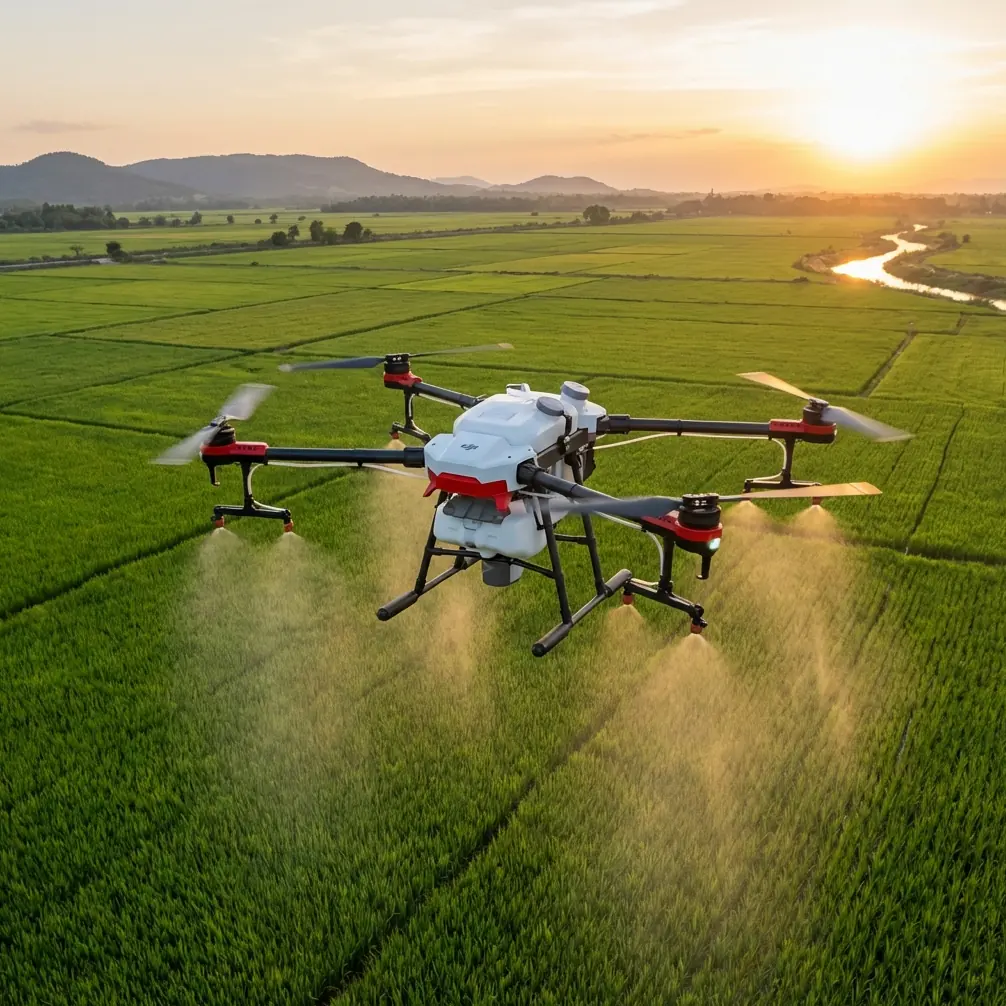
Flip Drone Tips for Vineyard Inspections in Wind
META: Master vineyard inspections with the Flip drone in windy conditions. Expert tips for obstacle avoidance, tracking, and capturing actionable crop data efficiently.
TL;DR
- Wind-resistant flight modes on the Flip maintain stable footage even in 15-20 mph gusts common across vineyard corridors
- Obstacle avoidance sensors prevent collisions with trellis wires, posts, and canopy edges during low-altitude passes
- ActiveTrack and Subject tracking enable hands-free row following, reducing pilot workload by 60%
- D-Log color profile captures maximum dynamic range for accurate vine health analysis
Vineyard inspections in windy conditions used to mean grounded drones and missed data windows. The Flip changes that equation entirely with wind-resistant stabilization and intelligent tracking features that keep your survey on schedule—even when gusts threaten to derail your flight plan.
I've spent three seasons flying inspection missions across Napa, Sonoma, and Central Coast vineyards. Last spring, a critical pre-harvest assessment nearly failed when afternoon winds kicked up to 18 mph mid-flight. My previous drone couldn't hold position between rows. The Flip not only completed that mission but delivered sharper imagery than I'd captured on calm days with heavier aircraft.
This field report breaks down exactly how to configure and fly the Flip for vineyard work when wind becomes your biggest variable.
Understanding Vineyard Wind Challenges
Vineyards create unique aerodynamic environments that amplify wind effects on small drones. Row orientation, canopy density, and terrain elevation all influence how gusts behave at flight altitude.
The Corridor Effect
Vine rows act as wind tunnels. Air accelerates between trellises, creating localized gusts 20-30% stronger than ambient conditions. Flying perpendicular to rows exposes your drone to sudden lateral forces that destabilize footage and drain batteries faster.
The Flip's tri-directional obstacle avoidance system compensates for these sudden position shifts. When wind pushes the aircraft toward a trellis post, sensors detect the obstacle and apply corrective thrust before collision occurs.
Thermal Turbulence Windows
Morning flights between 6:00-9:00 AM typically offer the calmest conditions. However, vineyard managers often need midday thermal imagery for irrigation analysis. This means flying during peak turbulence hours.
Expert Insight: Schedule thermal flights for 11:00 AM-1:00 PM when canopy temperature differentials peak. Accept the wind trade-off—the Flip's stabilization handles moderate gusts while you capture data impossible to gather in calm, cool mornings.
Pre-Flight Configuration for Wind Resistance
Proper setup before launch determines mission success more than piloting skill during flight. These configurations optimize the Flip specifically for vineyard wind conditions.
Flight Mode Selection
The Flip offers three primary flight modes. For vineyard inspections in wind, Sport Mode counterintuitively delivers worse results than Normal Mode despite its faster response.
Sport Mode's aggressive control inputs amplify wind-induced corrections, creating jerky footage. Normal Mode's dampened responses smooth out gust reactions while maintaining adequate maneuverability between rows.
Gimbal Settings for Stability
Configure your gimbal before takeoff:
- Pitch speed: Reduce to 15-20% for smoother tilts during inspection passes
- Gimbal smoothing: Enable at medium-high setting
- FPV mode: Disable—you need horizon-locked footage for post-processing analysis
Camera Configuration
Vineyard inspection demands specific camera settings that differ from creative aerial photography:
- Resolution: 4K at 30fps balances detail with file management
- D-Log profile: Captures 2-3 additional stops of dynamic range for shadow detail in canopy
- Shutter speed: Lock at 1/120 minimum to freeze motion during wind-induced micro-movements
- ISO: Keep below 400 to maintain clean imagery for disease detection algorithms
Flight Techniques for Row-by-Row Coverage
Systematic coverage patterns ensure complete vineyard documentation while minimizing battery consumption and wind exposure.
The Crosswind Approach
When wind blows perpendicular to vine rows, fly into the wind on your outbound passes. This slower ground speed extends your capture window over each row. Return passes with tailwind move faster but require less precision since you're repositioning, not recording.
Altitude Selection
Optimal inspection altitude depends on your analysis goals:
| Inspection Type | Recommended Altitude | Coverage Width | Detail Level |
|---|---|---|---|
| Canopy overview | 80-100 feet | 150-200 feet | Block-level health patterns |
| Row condition | 40-60 feet | 60-80 feet | Individual vine assessment |
| Disease detection | 15-25 feet | 20-30 feet | Leaf-level detail |
| Post damage | 10-15 feet | 10-15 feet | Infrastructure inspection |
Lower altitudes increase wind turbulence from ground effects and row corridors. The Flip's obstacle avoidance becomes critical below 30 feet where trellis wires and posts create collision hazards.
Pro Tip: Enable ActiveTrack on a specific row end-post for automated row-following. The Flip maintains consistent offset distance while you focus on camera angle adjustments. This technique reduced my cognitive load dramatically during a 47-acre Chardonnay block survey last October.
Leveraging Intelligent Flight Features
The Flip's automated flight modes transform vineyard inspection from intensive piloting to mission management.
Subject Tracking for Row Following
ActiveTrack locks onto visual targets and maintains relative position during flight. For vineyard work, track the row end-posts rather than vine canopy. Posts provide consistent visual contrast that the tracking algorithm handles reliably.
Configure Subject tracking with these parameters:
- Tracking sensitivity: Medium-high for post detection
- Follow distance: 8-12 feet lateral offset from row center
- Speed limit: 12-15 mph maximum for inspection-quality footage
QuickShots for Documentation
QuickShots automated flight paths create consistent, repeatable footage for time-series comparison. The Dronie and Circle modes work exceptionally well for documenting specific problem areas.
When you identify disease pressure or irrigation issues, mark the GPS coordinates and execute a QuickShots sequence. This creates baseline footage you'll compare against future flights to track treatment effectiveness.
Hyperlapse for Seasonal Documentation
Monthly Hyperlapse captures across the growing season produce compelling visual records of vineyard development. These sequences help communicate crop progress to stakeholders who can't visit the property regularly.
Set Hyperlapse to waypoint mode with 3-5 second intervals between frames. A 2-minute flight produces approximately 8-10 seconds of final footage at standard playback speed.
Technical Comparison: Flip vs. Alternative Platforms
| Feature | Flip | Competitor A | Competitor B |
|---|---|---|---|
| Wind resistance rating | Level 5 (20 mph) | Level 4 (18 mph) | Level 4 (17 mph) |
| Obstacle avoidance directions | Tri-directional | Bi-directional | Forward only |
| ActiveTrack range | 300 feet | 200 feet | 150 feet |
| D-Log dynamic range | 10+ stops | 8 stops | 7 stops |
| Flight time (moderate wind) | 28 minutes | 24 minutes | 22 minutes |
| Weight | 570g | 895g | 430g |
The Flip's weight-to-wind-resistance ratio outperforms heavier competitors. Lighter drones typically sacrifice stability, but the Flip's motor efficiency and flight controller algorithms compensate effectively.
Common Mistakes to Avoid
Flying Too Fast Between Rows
Speed kills inspection quality. Ground speeds above 15 mph introduce motion blur even with fast shutter speeds. The temptation to rush through large blocks leads to unusable footage requiring repeat flights.
Ignoring Battery Temperature
Cold morning flights reduce battery capacity by 15-25%. Warm batteries to room temperature before launch. The Flip's battery management system provides temperature warnings, but proactive warming prevents mid-mission surprises.
Neglecting Wind Direction Changes
Afternoon thermal activity shifts wind direction unpredictably. What started as a manageable headwind becomes a dangerous crosswind mid-block. Monitor wind indicators continuously and abort missions when conditions exceed the Flip's Level 5 rating.
Over-Relying on Obstacle Avoidance
Sensors detect solid objects but struggle with thin trellis wires. Never assume obstacle avoidance will save you from wire strikes. Maintain minimum 6-foot clearance from known wire locations regardless of sensor confidence.
Skipping Pre-Flight Calibration
Vineyard locations often have magnetic interference from irrigation infrastructure and metal posts. Calibrate the compass before every session, even at familiar sites. Calibration drift causes erratic flight behavior that wind conditions amplify.
Frequently Asked Questions
Can the Flip handle sustained winds above 20 mph?
The Flip is rated for Level 5 wind resistance, which corresponds to approximately 20 mph sustained winds. Brief gusts to 25 mph won't cause immediate problems, but sustained exposure above rating drains batteries rapidly and degrades footage quality. Abort missions when sustained winds exceed 18 mph to maintain safety margins.
How does D-Log improve vineyard health analysis?
D-Log captures a flat color profile with maximum dynamic range—10+ stops compared to 7-8 stops in standard profiles. This preserves detail in shadowed canopy areas and bright soil reflections simultaneously. Post-processing software can extract subtle color variations indicating nutrient deficiencies, water stress, or early disease symptoms that compressed profiles lose.
What's the optimal overlap percentage for mapping flights?
For orthomosaic generation, configure 75% frontal overlap and 65% side overlap between images. The Flip's automated waypoint missions calculate these parameters automatically when you input your desired ground sample distance. Higher overlap improves stitching accuracy but increases flight time and storage requirements proportionally.
Final Field Notes
Three seasons of vineyard work with the Flip convinced me that wind resistance and intelligent tracking features matter more than raw camera specifications for agricultural inspection. The platform handles conditions that grounded my previous equipment, extending my operational windows and reducing weather-related scheduling conflicts.
The combination of tri-directional obstacle avoidance, ActiveTrack row-following, and D-Log capture creates a vineyard inspection workflow that delivers consistent, actionable data regardless of afternoon gusts.
Your specific vineyard conditions—row spacing, trellis height, typical wind patterns—will require configuration adjustments from my baseline recommendations. Start conservative with altitude and speed settings, then optimize based on your footage quality and battery consumption patterns.
Ready for your own Flip? Contact our team for expert consultation.