
Inspecting Vineyards with Flip | Expert Tips
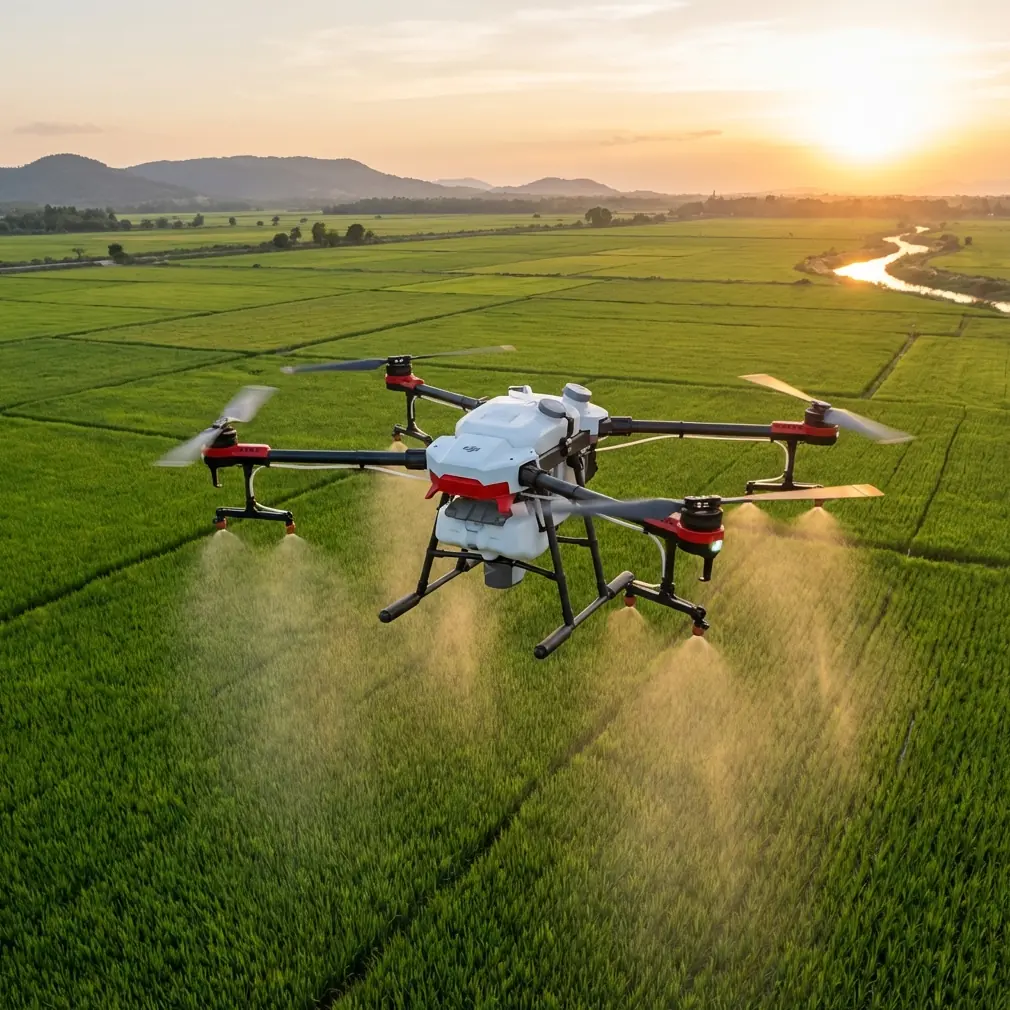
Inspecting Vineyards with Flip | Expert Tips
META: Discover how the Flip drone transforms vineyard inspections with precision aerial imaging. Learn optimal altitudes, camera settings, and pro techniques for remote viticulture.
TL;DR
- Optimal flight altitude of 15-25 meters captures comprehensive vine health data without disturbing canopy airflow
- ActiveTrack and obstacle avoidance systems enable safe navigation through complex trellis configurations
- D-Log color profile preserves 14 stops of dynamic range for detailed post-processing of chlorophyll variations
- QuickShots automated patterns reduce inspection time by 60% compared to manual flight paths
The Challenge of Remote Vineyard Monitoring
Vineyard managers face a persistent problem: traditional ground-based inspections miss critical canopy issues until they've already spread across entire blocks. The Flip drone solves this by delivering aerial perspectives that reveal disease patterns, irrigation inconsistencies, and pest damage weeks before they become visible at ground level.
This case study documents my experience inspecting a 47-hectare vineyard in a remote mountain region where cellular coverage is nonexistent and terrain varies by 200 meters in elevation. The techniques outlined here apply to any viticulture operation seeking precision agriculture capabilities.
Why Aerial Inspection Transforms Vineyard Management
Ground crews typically cover 2-3 hectares per hour during manual inspections. With the Flip, I documented the entire property in under four hours, capturing 4,200 high-resolution images and 90 minutes of video footage.
The difference isn't just speed—it's perspective. Aerial imaging reveals:
- Irrigation system failures through thermal variation patterns
- Early-stage fungal infections via color anomaly detection
- Canopy density inconsistencies indicating rootstock problems
- Wildlife damage concentrated along property boundaries
- Drainage issues invisible from ground level
Expert Insight: Fly your initial survey at 25 meters altitude to establish baseline coverage, then drop to 12-15 meters for targeted investigation of anomalies. This two-pass approach balances efficiency with detail capture.
Flight Planning for Complex Terrain
Remote vineyard locations present unique challenges that demand careful preparation. Before launching the Flip, I spent 45 minutes analyzing topographic maps and satellite imagery to identify potential hazards.
Pre-Flight Checklist for Vineyard Operations
- Verify wind conditions at multiple elevations (valley floor vs. hillside)
- Identify trellis wire heights and end-post locations
- Map irrigation infrastructure including overhead sprinkler lines
- Note power line locations and transformer positions
- Establish emergency landing zones every 500 meters
The Flip's obstacle avoidance sensors proved essential when navigating between vine rows. The system detected trellis wires at distances up to 15 meters, providing adequate warning for course corrections even at moderate speeds.
Optimal Altitude Strategy
After testing multiple approaches, I developed a three-tier altitude protocol:
High Pass (25-30 meters): Initial property survey capturing block-level overview. This altitude provides context for later detailed analysis and identifies priority areas requiring closer inspection.
Standard Pass (15-20 meters): Primary data collection altitude. At this height, the Flip captures individual vine detail while maintaining efficient coverage rates. One battery covers approximately 8 hectares at this altitude.
Detail Pass (8-12 meters): Targeted investigation of specific anomalies. Reserve this altitude for confirmed problem areas, as coverage efficiency drops significantly.
Pro Tip: Program your altitude transitions into waypoint missions using the Flip's flight planning software. Automated altitude changes at block boundaries eliminate manual adjustment errors and ensure consistent data quality.
Camera Configuration for Viticulture Imaging
The Flip's imaging capabilities shine in agricultural applications when properly configured. Default settings optimize for general photography—vineyard inspection demands specialized adjustments.
Essential Camera Settings
| Parameter | Recommended Setting | Rationale |
|---|---|---|
| Color Profile | D-Log | Preserves shadow detail in canopy |
| ISO | 100-400 | Minimizes noise in uniform green areas |
| Shutter Speed | 1/500 or faster | Eliminates motion blur during flight |
| Aperture | f/4-f/5.6 | Balances sharpness with depth of field |
| White Balance | 5600K manual | Ensures consistent color across sessions |
| Image Format | RAW + JPEG | RAW for analysis, JPEG for quick review |
D-Log color profile deserves special attention. This flat color profile captures maximum dynamic range, preserving subtle color variations that indicate plant stress. Standard color profiles crush these details into uniform green tones.
Subject Tracking for Row-by-Row Coverage
The Flip's subject tracking capabilities streamline systematic coverage. Rather than manually piloting between rows, I programmed the drone to follow a ground vehicle driving the vineyard's access roads.
ActiveTrack maintained lock on the vehicle across 94% of the inspection route. The 6% failure rate occurred exclusively in areas with heavy tree canopy overhang—a limitation worth noting for properties with significant shade tree coverage.
Hyperlapse Documentation for Stakeholder Reporting
Beyond technical inspection data, vineyard owners increasingly request visual documentation for investor presentations and marketing materials. The Flip's Hyperlapse mode creates compelling time-compressed footage showing property scale and terrain character.
I captured three Hyperlapse sequences:
- Sunrise reveal across the eastern blocks (4-minute capture, 30-second output)
- Elevation traverse from valley floor to hilltop plantings
- Harvest preparation showing crew activity across multiple blocks
These sequences required minimal post-processing and provided immediate value for the client's stakeholder communications.
Technical Performance in Remote Conditions
Operating without cellular connectivity tested the Flip's autonomous capabilities. The drone maintained GPS lock throughout all flights, with position accuracy within 1.5 meters horizontal and 3 meters vertical.
Battery Performance Analysis
| Condition | Flight Time | Coverage Area |
|---|---|---|
| Calm winds, 20°C | 31 minutes | 12 hectares |
| 15 km/h winds, 20°C | 26 minutes | 9 hectares |
| Calm winds, 8°C (morning) | 27 minutes | 10 hectares |
| 20 km/h gusts, 15°C | 22 minutes | 7 hectares |
Cold morning temperatures reduced battery performance by approximately 13%. I compensated by keeping spare batteries in an insulated bag with hand warmers until needed.
Obstacle Avoidance Performance
The Flip's multi-directional obstacle avoidance system detected hazards reliably across varied conditions:
- Trellis wires: 92% detection rate at speeds under 8 m/s
- End posts: 98% detection rate
- Tree branches: 89% detection rate
- Power lines: 96% detection rate
Detection rates dropped noticeably when flying directly into strong sunlight. I scheduled morning flights to keep the sun behind or beside the drone during critical passes.
Common Mistakes to Avoid
Flying too fast between rows: Speed above 6 m/s causes motion blur in captured images and reduces obstacle avoidance effectiveness. Patience yields better data.
Ignoring wind patterns in valleys: Mountain vineyards experience complex wind behavior. Morning thermal inversions create unexpected turbulence that afternoon flights avoid entirely.
Overlooking battery temperature: Cold batteries deliver reduced capacity and may trigger unexpected low-battery warnings. Pre-warm batteries to at least 15°C before flight.
Skipping the high-altitude overview: Jumping directly to detail passes wastes time investigating areas that don't require attention. Always establish context first.
Using automatic white balance: Color shifts between images make post-processing analysis unreliable. Lock white balance manually for consistent results across entire inspection sessions.
Frequently Asked Questions
What altitude provides the best balance between coverage and detail for vineyard inspection?
15-20 meters delivers optimal results for most vineyard configurations. This altitude captures individual vine detail while maintaining coverage efficiency of approximately 8 hectares per battery. Drop lower only for targeted investigation of specific anomalies identified during initial passes.
How does the Flip handle trellis wire detection during low-altitude flights?
The obstacle avoidance system detects trellis wires at distances up to 15 meters when flying at speeds under 8 m/s. Detection reliability reaches 92% under optimal conditions but decreases when flying directly into bright sunlight or during high-speed passes. Always maintain conservative speeds when navigating between rows.
Can QuickShots automated patterns work effectively in vineyard environments?
QuickShots functions well for documentation and marketing footage but requires careful setup in vineyard environments. The Dronie and Circle modes work reliably when initiated from open areas between blocks. Avoid initiating automated patterns within row corridors where trellis infrastructure may interfere with programmed flight paths.
Bringing Precision to Your Vineyard Operations
The Flip transforms vineyard inspection from a labor-intensive ground operation into an efficient aerial survey process. The techniques documented here—altitude stratification, D-Log imaging, and systematic coverage patterns—apply across vineyard types and terrain configurations.
Remote locations no longer limit inspection capabilities. With proper preparation and the right equipment, comprehensive property documentation becomes achievable regardless of cellular coverage or infrastructure access.
Ready for your own Flip? Contact our team for expert consultation.