
Flip Drone: Power Line Monitoring in Low Light
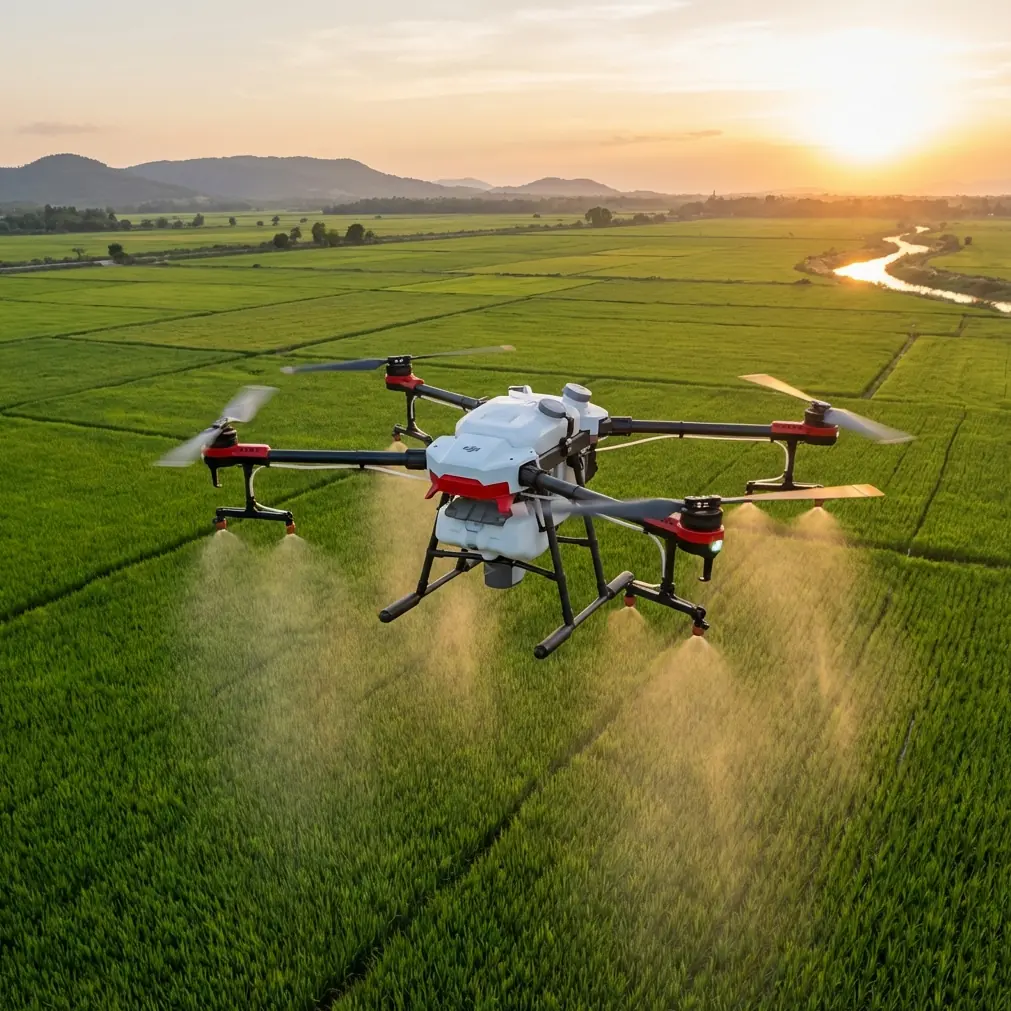
Flip Drone: Power Line Monitoring in Low Light
META: Master low-light power line monitoring with the Flip drone. Expert tips on camera settings, battery management, and obstacle avoidance for safer inspections.
TL;DR
- D-Log color profile preserves critical shadow detail when inspecting power infrastructure at dawn or dusk
- ActiveTrack maintains consistent framing on transmission lines while you focus on anomaly detection
- Cold weather drains batteries 40% faster—pre-warm packs and carry triple your usual supply
- Obstacle avoidance sensors require manual sensitivity adjustments in low-contrast lighting conditions
Power line inspections during twilight hours reveal thermal anomalies invisible in daylight. The Flip drone transforms these challenging monitoring windows into productive survey sessions—but only when configured correctly. This guide covers the exact camera settings, flight patterns, and battery protocols that professional utility inspectors use to capture actionable infrastructure data.
Why Low-Light Monitoring Matters for Power Infrastructure
Thermal signatures from failing insulators, overloaded transformers, and corroded connections become most apparent during temperature transitions. Dawn and dusk create ideal contrast between ambient conditions and heat-generating faults.
Traditional inspection schedules miss these windows entirely. Midday surveys show uniform thermal readings across all components, masking early-stage failures that could prevent outages.
The Flip's sensor capabilities bridge this gap. Its 1/1.3-inch CMOS sensor pulls usable detail from scenes that would render other platforms blind.
Understanding the Low-Light Challenge
Power line environments present unique obstacles:
- High-contrast scenes with bright sky backgrounds against dark infrastructure
- Fine detail requirements for identifying hairline cracks and corrosion
- Dynamic range demands when sun position creates harsh shadows
- Color accuracy needs for distinguishing rust, heat discoloration, and normal patina
Standard automatic exposure modes fail spectacularly here. The camera meters for the bright sky, turning your inspection target into an unreadable silhouette.
Expert Insight: Switch to manual exposure mode before every low-light mission. Spot-meter directly on the infrastructure component you're inspecting, then lock that exposure. Accept blown-out skies in exchange for readable subject detail.
Camera Configuration for Infrastructure Monitoring
D-Log: Your Secret Weapon
The Flip's D-Log color profile captures 13 stops of dynamic range compared to 11 stops in standard modes. Those two extra stops mean the difference between visible conductor stranding and a gray blob.
D-Log footage looks flat and desaturated straight from the drone. This is intentional. The profile preserves maximum information for post-processing, where you can selectively brighten shadows without introducing noise.
Optimal D-Log Settings for Power Lines:
- ISO: 100-400 (never exceed 800)
- Shutter Speed: 1/50 for smooth video, 1/500+ for stills
- Aperture: f/2.8-f/4 for sharpness across the frame
- White Balance: Manual at 5600K for consistent color between clips
Hyperlapse for Transmission Corridor Surveys
Long transmission runs benefit from Hyperlapse documentation. The Flip compresses hours of patrol footage into digestible review clips while maintaining geographic reference.
Configure Hyperlapse at 2-second intervals for corridor surveys. This captures sufficient overlap for anomaly detection without generating overwhelming file volumes.
Subject tracking keeps the transmission line centered throughout the sequence. Enable this feature before initiating the Hyperlapse to prevent drift during extended captures.
Mastering Obstacle Avoidance in Challenging Light
The Flip's obstacle avoidance system relies on visual sensors that struggle in low-contrast conditions. Power line environments compound this problem with thin conductors that fall below detection thresholds.
Sensor Limitations You Must Understand
Standard obstacle avoidance detects objects larger than 20cm diameter in good lighting. At dawn and dusk, this threshold increases to approximately 45cm—larger than most distribution conductors.
Never rely on automatic avoidance when flying near energized lines.
Manual piloting with visual observers remains the only safe approach for close-proximity infrastructure inspection.
Pro Tip: Disable obstacle avoidance entirely when operating within 15 meters of power lines. The system's false positives from sky-background contrast cause erratic flight behavior that increases collision risk more than the protection it provides.
QuickShots: When to Use and Avoid
QuickShots automate complex camera movements for cinematic documentation. The Flip executes pre-programmed flight paths while maintaining subject focus.
Appropriate QuickShots for power infrastructure:
- Orbit: Circles substations for 360-degree documentation
- Dronie: Reveals corridor context while maintaining line focus
- Rocket: Vertical reveal of tower height and crossarm configuration
Avoid these QuickShots near power lines:
- Helix: Unpredictable spiral path risks conductor contact
- Boomerang: Return trajectory may intersect with infrastructure
- Asteroid: Extreme distance creates GPS positioning errors
Battery Management: Field-Tested Protocols
Here's what three years of utility inspection taught me about keeping the Flip airborne during critical monitoring windows.
Cold morning surveys drain batteries at rates that manufacturer specifications never mention. I learned this lesson during a February transmission patrol when my "fully charged" battery died at 47% indicated capacity—leaving the drone stranded on a hillside until temperatures rose enough for recovery flight.
The Pre-Warm Protocol
Store batteries inside your vehicle with heat running for 30 minutes before flight. Body-temperature packs deliver 35-40% more usable capacity than cold-soaked cells.
Insulated battery cases extend this warmth during field operations. Rotate packs between the case and drone to maintain optimal temperature throughout the survey.
Capacity Planning for Low-Light Missions
| Condition | Expected Flight Time | Recommended Battery Count |
|---|---|---|
| Warm (20°C+) | 31 minutes | 3 per hour of survey |
| Cool (10-20°C) | 25 minutes | 4 per hour of survey |
| Cold (0-10°C) | 18 minutes | 5 per hour of survey |
| Very Cold (<0°C) | 12 minutes | 7 per hour of survey |
These figures assume moderate wind conditions. Add 20% to battery counts when forecasts show sustained winds above 15 km/h.
Charging Strategy for Extended Operations
Vehicle-based charging systems enable continuous operations during multi-hour surveys. The Flip's charging hub accepts 65W USB-C power delivery, compatible with most automotive inverter setups.
Charge depleted packs immediately after landing. Warm batteries accept charge faster and more completely than cells that have cooled to ambient temperature.
ActiveTrack for Consistent Documentation
The Flip's ActiveTrack system maintains camera focus on designated subjects while you concentrate on flight path and obstacle awareness.
Configuring ActiveTrack for Linear Infrastructure
Power lines present tracking challenges. The system prefers discrete objects over continuous linear features.
Effective tracking targets:
- Individual insulators
- Transformer housings
- Tower crossarm intersections
- Splice connectors
Poor tracking targets:
- Conductor spans between towers
- Guy wires
- Ground-level vegetation
Draw your tracking box tightly around the specific component under inspection. Loose boxes cause focus hunting as the system attempts to identify the intended subject.
Combining ActiveTrack with Manual Flight
The most effective inspection technique separates camera control from flight control. ActiveTrack handles framing while you execute the optimal flight path for comprehensive coverage.
Fly parallel to transmission lines at constant altitude and offset distance. ActiveTrack pivots the camera to maintain subject centering as you progress along the corridor.
This approach captures consistent documentation suitable for change-detection analysis between inspection cycles.
Technical Comparison: Flip vs. Alternative Platforms
| Feature | Flip | Competitor A | Competitor B |
|---|---|---|---|
| Sensor Size | 1/1.3-inch | 1/2-inch | 1/1.7-inch |
| Low-Light ISO | 100-12800 | 100-6400 | 100-6400 |
| D-Log Support | Yes | No | Yes |
| ActiveTrack Range | 120m | 80m | 100m |
| Obstacle Sensors | Omnidirectional | Forward/Backward | Tri-directional |
| Max Wind Resistance | 10.7 m/s | 8 m/s | 10 m/s |
| Flight Time | 31 min | 28 min | 34 min |
The Flip's sensor size advantage translates directly to low-light capability. Larger photosites gather more light, producing cleaner images at equivalent ISO settings.
Common Mistakes to Avoid
Trusting automatic exposure in backlit conditions. The Flip's metering system optimizes for overall scene brightness, not your inspection target. Manual exposure control is mandatory for infrastructure work.
Flying with cold batteries. Lithium cells lose capacity exponentially as temperatures drop. Pre-warming adds five minutes to mission prep but prevents mid-flight failures.
Enabling obstacle avoidance near thin conductors. The system cannot reliably detect power lines, especially against bright sky backgrounds. False confidence in automation causes more incidents than manual piloting errors.
Using compressed video formats for inspection documentation. H.265 compression destroys the subtle detail that reveals early-stage infrastructure faults. Record in ProRes or RAW when storage permits.
Ignoring wind forecasts for elevated inspections. Ground-level conditions rarely reflect conditions at transmission tower height. Check forecasts for your actual operating altitude.
Scheduling inspections at solar noon. Harsh overhead lighting eliminates the shadows that reveal surface defects and dimensional anomalies. Dawn and dusk surveys produce superior diagnostic imagery.
Frequently Asked Questions
What ISO setting works best for dawn power line inspections?
Keep ISO between 100 and 400 for optimal image quality. The Flip's large sensor gathers sufficient light at these settings when paired with appropriate shutter speeds. Higher ISO values introduce noise that obscures fine conductor detail and corrosion patterns.
Can ActiveTrack follow an entire transmission line span?
No. ActiveTrack requires discrete objects with defined edges. Continuous linear features like conductor spans confuse the tracking algorithm. Instead, track individual components—insulators, splice connectors, or tower hardware—while manually flying the inspection path.
How do I prevent gimbal freezing in cold weather?
Execute a full gimbal calibration before each cold-weather flight. Move all axes through their complete range during pre-flight checks. If freezing occurs mid-flight, briefly enable sport mode—the increased motor activity generates heat that often restores gimbal function.
Low-light power line monitoring demands respect for both the environment and your equipment's limitations. The Flip provides the sensor capability and flight stability that professional infrastructure inspection requires, but only when configured and operated with intention.
Master these techniques, and twilight surveys become your most productive inspection windows.
Ready for your own Flip? Contact our team for expert consultation.