
Flip for Vineyard Scouting: Extreme Temp Guide
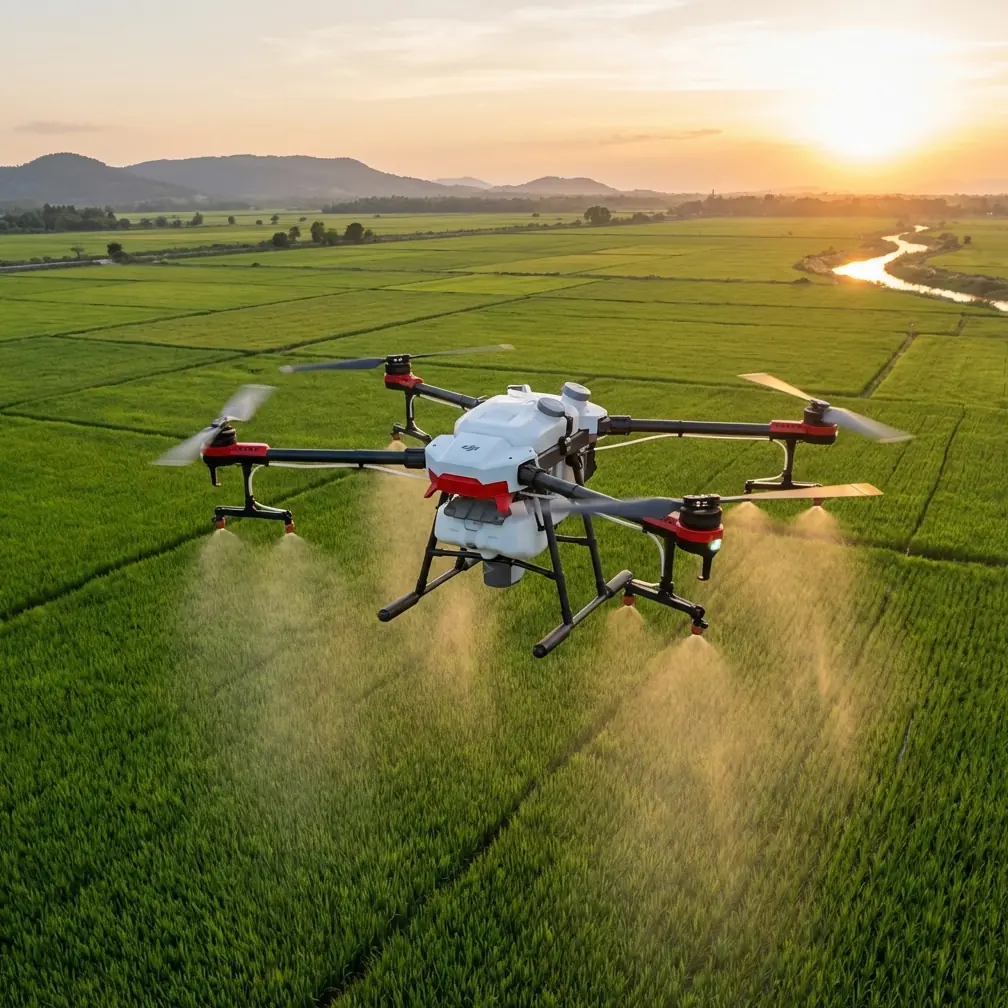
Flip for Vineyard Scouting: Extreme Temp Guide
META: Master vineyard scouting with the Flip drone in extreme temperatures. Expert tips for thermal management, flight planning, and crop analysis techniques.
TL;DR
- Flip's compact thermal resilience handles vineyard scouting from -10°C to 40°C with proper preparation
- ActiveTrack follows vine rows automatically, freeing you to analyze canopy health in real-time
- D-Log color profile captures subtle vine stress indicators invisible to the naked eye
- Battery management in extreme temps requires pre-flight conditioning and adjusted flight times
Why Vineyard Scouting Demands a Specialized Approach
Vineyard managers face a brutal reality: crop problems don't wait for perfect weather. When I first started scouting vineyards in California's Central Valley, summer temperatures regularly exceeded 38°C. Traditional ground scouting meant hours of walking rows while missing critical stress patterns only visible from above.
The Flip changed my entire workflow. Its lightweight frame and intelligent flight modes transformed what used to be a full-day ordeal into a 90-minute systematic survey. But getting consistent results in extreme temperatures requires understanding both the drone's capabilities and its limitations.
This guide walks you through the exact techniques I've refined over three growing seasons, covering everything from pre-flight thermal management to post-processing workflows that reveal vine health issues before they become yield-threatening problems.
Understanding Flip's Thermal Operating Envelope
The Flip operates within a specified temperature range of 0°C to 40°C, but real-world vineyard conditions often push these boundaries. Early morning frost scouting and midday summer surveys both present unique challenges.
Cold Weather Considerations
When scouting for frost damage in early spring, temperatures frequently drop below the recommended minimum. The Flip's lithium-polymer batteries experience significant capacity reduction in cold conditions—expect 20-30% less flight time below 5°C.
Expert Insight: Keep batteries inside your vehicle with the heater running until immediately before flight. A battery at 20°C inserted into a cold drone performs dramatically better than one that's been sitting in ambient conditions.
Hot Weather Protocols
Summer scouting presents the opposite challenge. Internal electronics generate heat during operation, and ambient temperatures above 35°C compound thermal stress. The Flip's obstacle avoidance sensors can experience reduced accuracy when the drone's internal temperature climbs.
Watch for these warning signs:
- Sluggish gimbal response
- Delayed control inputs
- Automatic power reduction warnings
- Unexpected return-to-home triggers
Pre-Flight Preparation for Extreme Conditions
Successful vineyard scouting starts before you leave your truck. Developing a systematic pre-flight routine prevents costly mistakes and equipment damage.
Equipment Checklist
- Batteries: Minimum three fully charged, temperature-conditioned
- Lens cleaning kit: Dust accumulation accelerates in dry vineyard conditions
- Shade structure: Portable canopy for pilot station in summer
- Cooling packs: Gel packs for battery rotation in extreme heat
- Flight log: Document conditions for troubleshooting and pattern recognition
Firmware and Calibration
Always verify firmware status before heading to the field. The Flip receives regular updates that optimize performance, including thermal management algorithms. Compass calibration becomes especially critical in vineyards with metal trellis systems—steel posts can create localized magnetic interference.
Calibrate at least 50 meters from any metal structures, and recalibrate if you notice erratic heading behavior during flight.
Flight Planning for Systematic Coverage
Random flying wastes battery and produces inconsistent data. The Flip's intelligent flight modes enable methodical coverage that generates actionable insights.
Using Hyperlapse for Temporal Comparison
Hyperlapse mode creates compressed time-lapse footage while the drone moves along a programmed path. For vineyard applications, this becomes powerful when you fly identical paths across multiple dates.
Set waypoints at row ends and program the Flip to traverse at consistent altitude and speed. When you compare Hyperlapse footage from different dates, canopy development patterns and stress progression become immediately apparent.
ActiveTrack for Row-Following
ActiveTrack's subject tracking capabilities extend beyond following people. By targeting your ATV or a ground crew member walking rows, the Flip maintains consistent positioning while you focus on visual analysis.
This technique works exceptionally well for:
- Identifying irrigation uniformity issues
- Spotting pest pressure concentrations
- Documenting trellis damage after storms
- Verifying pruning crew work quality
Pro Tip: Set ActiveTrack to "Trace" mode rather than "Spotlight" when following vine rows. Trace maintains the drone behind and above the subject, providing optimal forward visibility of upcoming canopy conditions.
Camera Settings for Vine Health Analysis
The Flip's camera capabilities extend far beyond casual photography when properly configured for agricultural applications.
D-Log for Maximum Flexibility
Shooting in D-Log color profile preserves the widest dynamic range, capturing subtle color variations that indicate vine stress. Standard color profiles crush these details into uniform greens, hiding early-stage problems.
D-Log footage requires post-processing color grading, but the additional information captured proves invaluable for:
- Detecting early chlorosis before visible yellowing
- Identifying water stress through subtle leaf color shifts
- Documenting disease progression with consistent color reference
Optimal Settings for Vineyard Work
| Parameter | Summer Setting | Spring/Fall Setting | Frost Scouting |
|---|---|---|---|
| ISO | 100-200 | 100-400 | 800-1600 |
| Shutter | 1/500+ | 1/250+ | 1/60-1/120 |
| Aperture | f/2.8-4 | f/2.8 | f/2.8 |
| Color Profile | D-Log | D-Log | Normal |
| White Balance | 5600K | 5200K | Auto |
| Resolution | 4K/30 | 4K/30 | 1080/60 |
Leveraging QuickShots for Documentation
QuickShots automated flight patterns serve practical documentation purposes beyond creative content. The "Dronie" and "Circle" modes create consistent reference footage that stakeholders understand intuitively.
When presenting findings to vineyard owners or investors, a Circle shot around a problem area communicates scale and context faster than static images. Program these shots at standardized altitudes—I use 15 meters for block-level views and 8 meters for individual vine documentation.
Obstacle Avoidance in Dense Canopy Environments
The Flip's obstacle avoidance system provides crucial protection in vineyard environments where trellis wires, end posts, and mature canopy create collision hazards.
System Limitations to Understand
Obstacle avoidance sensors struggle with:
- Thin wires: Trellis and bird netting wires often fall below detection thresholds
- Uniform green backgrounds: Dense canopy can confuse depth perception
- Low-angle sun: Morning and evening light creates sensor blind spots
- Rapid approach speeds: Detection requires adequate stopping distance
Recommended Flight Patterns
Fly parallel to rows rather than across them whenever possible. This approach keeps trellis wires in predictable positions relative to your flight path. Maintain minimum 3-meter clearance above canopy tops, increasing to 5 meters in blocks with vigorous growth or uncertain trellis heights.
Common Mistakes to Avoid
Ignoring battery temperature before launch: Cold batteries inserted into a warm drone—or vice versa—experience accelerated degradation. Allow 5-10 minutes for temperature equalization.
Flying during peak heat: Midday summer flights stress both equipment and pilot. Schedule intensive scouting for early morning or late afternoon when temperatures moderate.
Neglecting lens maintenance: Vineyard dust accumulates rapidly on the gimbal and lens. A single fingerprint or dust smear ruins an entire flight's footage for analytical purposes.
Skipping compass calibration near metal: Vineyard infrastructure creates localized magnetic anomalies. That "minor" heading drift compounds into significant navigation errors over long flights.
Overestimating battery life in extreme temps: Plan for 70% of rated flight time when operating near temperature limits. Running batteries to depletion in extreme conditions accelerates permanent capacity loss.
Frequently Asked Questions
Can the Flip detect vine diseases from aerial footage?
The Flip's RGB camera captures visual symptoms of many common vine diseases, including powdery mildew, downy mildew, and leafroll virus. However, detection depends on disease progression—early infections often require multispectral sensors beyond the Flip's standard capabilities. D-Log footage maximizes your chances of spotting subtle discoloration that indicates developing problems.
How many acres can I scout on a single battery?
Coverage depends heavily on flight altitude, speed, and desired detail level. At 30 meters altitude with moderate speed, expect to cover approximately 15-20 acres per battery under normal temperature conditions. Extreme temperatures reduce this to 10-15 acres. Plan your blocks accordingly and stage battery changes at logical transition points.
What's the minimum crew size for effective vineyard scouting?
Solo operation works for experienced pilots covering familiar terrain. However, a two-person team—pilot plus observer—dramatically improves efficiency and safety. The observer monitors for hazards, manages battery rotation, and can investigate ground-level issues while the pilot maintains flight operations.
Building Your Vineyard Scouting Workflow
Consistent results require consistent processes. Document your flights, standardize your settings, and build a reference library of imagery across growing seasons. The Flip's portability means you can scout opportunistically when conditions warrant, but systematic scheduled flights generate the comparative data that drives informed management decisions.
Temperature extremes will always challenge equipment and operator alike. Understanding the Flip's thermal behavior—and adapting your techniques accordingly—transforms these challenges into manageable variables rather than mission-ending obstacles.
Ready for your own Flip? Contact our team for expert consultation.