
Flip Drone Scouting Tips for Vineyard Low Light
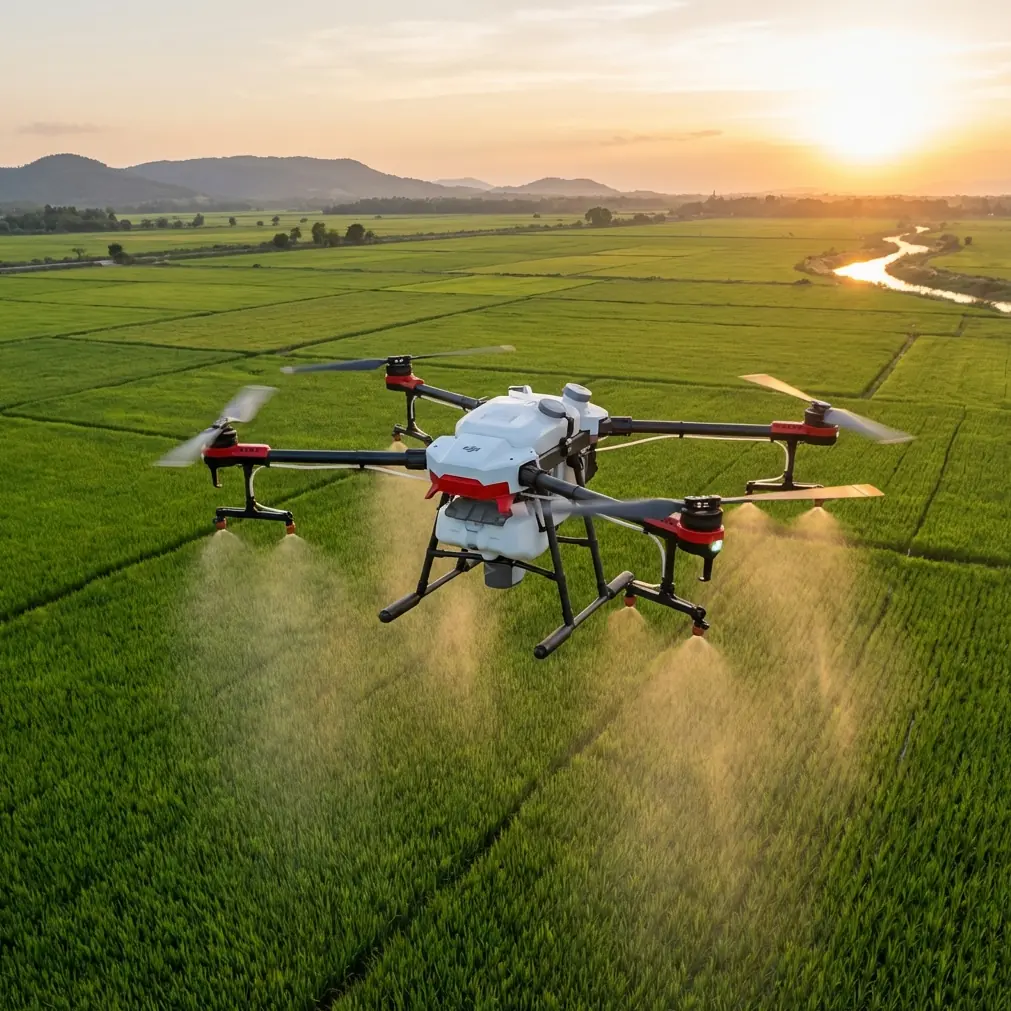
Flip Drone Scouting Tips for Vineyard Low Light
META: Master vineyard scouting in low light with the Flip drone. Expert tips on camera settings, flight patterns, and battery management for stunning results.
TL;DR
- D-Log color profile preserves shadow detail and highlight information critical for low-light vineyard footage
- ActiveTrack enables hands-free row following while you monitor exposure settings in real-time
- Cold morning flights drain batteries 30-40% faster—warm packs inside your jacket before launch
- Obstacle avoidance sensors require manual adjustment below 300 lux lighting conditions
Why Low-Light Vineyard Scouting Demands Specialized Techniques
Vineyard managers need aerial data during golden hour and pre-dawn conditions when plant stress becomes most visible. The Flip's compact sensor and intelligent flight modes handle these challenging scenarios—but only when configured correctly.
This guide walks you through camera settings, flight planning, and battery protocols I've refined over 200+ vineyard missions across Napa, Sonoma, and Oregon wine country.
You'll learn exactly how to capture usable footage when light levels drop below what most pilots consider flyable.
Understanding the Flip's Low-Light Capabilities
Sensor Performance in Dim Conditions
The Flip's 1/1.3-inch CMOS sensor captures more light than previous-generation compact drones. This larger photosensitive area translates directly to cleaner images when ISO values climb.
Native ISO range extends from 100 to 6400, with expanded options reaching 12800 for emergency situations. I recommend staying at or below ISO 1600 for footage intended for client delivery.
Dynamic range peaks at approximately 10.5 stops when shooting D-Log, giving you significant latitude in post-production to recover shadows without introducing excessive noise.
QuickShots Behavior in Low Light
QuickShots automated flight paths execute identically regardless of lighting conditions. However, the camera's automatic exposure system makes different decisions that affect your final output.
During Dronie and Circle modes, the Flip prioritizes shutter speed over ISO, sometimes resulting in underexposed frames. Override this by switching to Manual exposure mode before initiating any QuickShot sequence.
Hyperlapse modes present unique challenges. The Flip captures individual frames at intervals you specify, meaning each frame can have different exposure values as light changes during the sequence.
Pro Tip: For dawn Hyperlapse sequences, set exposure manually at the midpoint brightness you expect during the capture. Accept slight underexposure at the start and overexposure at the end—D-Log gives you room to correct both in post.
Camera Settings for Vineyard Low-Light Work
D-Log Configuration
D-Log isn't just a color profile—it's a dynamic range preservation system. Enable it through Camera Settings > Color > D-Log before every low-light mission.
White balance requires manual setting in D-Log mode. Auto white balance creates inconsistent footage that's difficult to color match in editing.
For pre-dawn vineyard work, set white balance to 5600K as a starting point. Golden hour sessions typically need 5200K to prevent excessive warmth.
Shutter Speed and Motion Blur
Vineyard scouting footage serves analytical purposes. Motion blur obscures the plant detail managers need to assess.
Set shutter speed to a minimum of 1/120 second for forward flight footage. Hovering inspection shots can drop to 1/60 second without visible blur.
This contradicts the "180-degree rule" cinematographers follow. That rule optimizes for pleasing motion blur in narrative content—vineyard scouting prioritizes sharpness over cinematic feel.
Subject Tracking Considerations
Subject tracking algorithms struggle when contrast drops. The Flip's tracking system needs defined edges to maintain lock on your subject.
Vine rows provide excellent tracking targets during golden hour when side-lighting creates strong shadows. Pre-dawn conditions flatten contrast, causing tracking failures.
| Lighting Condition | Tracking Reliability | Recommended Mode |
|---|---|---|
| Golden hour (side-lit) | 95%+ success rate | ActiveTrack standard |
| Overcast dawn | 70-80% success rate | ActiveTrack with manual backup |
| Pre-dawn twilight | 40-50% success rate | Manual flight only |
| Foggy conditions | Below 30% success rate | Manual flight only |
Flight Planning for Low-Light Vineyard Missions
Obstacle Avoidance Sensor Limitations
The Flip's obstacle avoidance system uses visual sensors that require ambient light to function. Below approximately 300 lux—equivalent to deep twilight—sensor reliability drops significantly.
Check sensor status in the DJI Fly app before each flight. Yellow warning indicators mean reduced functionality. Red indicators mean the system has disabled itself entirely.
When sensors show degraded performance, reduce maximum flight speed to 5 m/s and increase your minimum altitude above vine canopy to 8 meters instead of the typical 4-5 meters.
Expert Insight: I mark my vineyard flight paths during daylight reconnaissance flights, then replay those exact paths during low-light missions. The Flip's waypoint system executes stored routes precisely, reducing my need to make real-time navigation decisions when visibility drops.
Row-Following Techniques
Vineyard rows create natural flight corridors. The Flip's ActiveTrack Trace mode follows these corridors when you designate the row end-post as your tracking target.
Position the drone at row height (2-3 meters) at one end of the row. Draw a tracking box around the end-post at the opposite end. The Flip maintains centered flight down the row while you adjust camera angle and exposure.
This technique fails in complete darkness but works reliably until approximately 15 minutes before sunrise in clear conditions.
Battery Management in Cold Morning Conditions
Temperature Effects on Flight Time
Lithium-polymer batteries deliver reduced capacity in cold conditions. The Flip's Intelligent Flight Battery shows this effect dramatically below 15°C (59°F).
Expect 30-40% reduced flight time during pre-dawn vineyard missions in typical wine country spring and fall temperatures.
The battery management system compensates by limiting maximum discharge rate, which reduces available power for aggressive maneuvers. Plan gentler flight profiles during cold-weather operations.
Pre-Flight Warming Protocol
I developed this warming protocol after losing a drone to unexpected battery cutoff during a Sonoma morning shoot:
- Store batteries in an insulated cooler with hand warmers during transport
- Transfer batteries to interior jacket pockets 30 minutes before flight
- Check battery temperature in the app—launch only when showing above 20°C
- Complete hover test at 2 meters for 60 seconds before beginning mission flight
- Monitor voltage during flight—land immediately if any cell drops below 3.5V
This protocol adds 15-20 minutes to your pre-flight routine but prevents the sudden power loss that cold batteries can cause.
Multi-Battery Rotation Strategy
Bring minimum four batteries for any serious low-light vineyard session. The rotation works as follows:
One battery flies while one warms in your pocket. Two batteries remain in the insulated cooler maintaining baseline temperature.
Swap the flying battery with the pocket battery after each flight. Move a cooler battery to your pocket. Place the depleted battery in the cooler—residual heat from discharge keeps it warmer than ambient temperature.
This rotation ensures you always have a warm battery ready while maximizing total available flight time.
Common Mistakes to Avoid
Trusting automatic exposure in changing light. The Flip's auto-exposure reacts to every brightness change, creating footage with constant exposure shifts. Lock exposure manually before recording.
Flying too fast for the lighting conditions. Reduced sensor performance means reduced reaction time for both you and the obstacle avoidance system. Cut your normal flight speed by half in low light.
Ignoring battery temperature warnings. The app displays these warnings for critical safety reasons. A battery that shows adequate charge but insufficient temperature can fail without additional warning.
Forgetting to disable ActiveTrack before landing. The tracking system continues attempting to follow your subject during descent, potentially flying the drone into vine canopy or trellis wires.
Using JPEG instead of RAW for still captures. Low-light images require significant post-processing. JPEG compression destroys the shadow detail you need to recover usable images.
Frequently Asked Questions
Can the Flip capture usable footage in complete darkness?
No. The Flip lacks infrared sensors or dedicated night-vision capability. Minimum usable lighting occurs approximately 20-30 minutes before sunrise or after sunset in clear conditions. Overcast skies extend this limitation significantly.
How does fog affect obstacle avoidance and tracking?
Fog degrades both systems severely. Water droplets scatter the light that visual sensors need to detect obstacles and track subjects. Disable automated flight modes entirely in foggy conditions and fly manually with extreme caution at reduced speeds.
Should I use ND filters for low-light vineyard work?
Generally no. ND filters reduce light transmission, forcing higher ISO values or slower shutter speeds. Remove all ND filters for pre-dawn and twilight work. The exception is golden hour shooting where direct sunlight creates excessive contrast—a light ND4 filter can help balance exposure in those specific conditions.
Ready for your own Flip? Contact our team for expert consultation.