
Flip for Highways in Low Light: A Technical Review
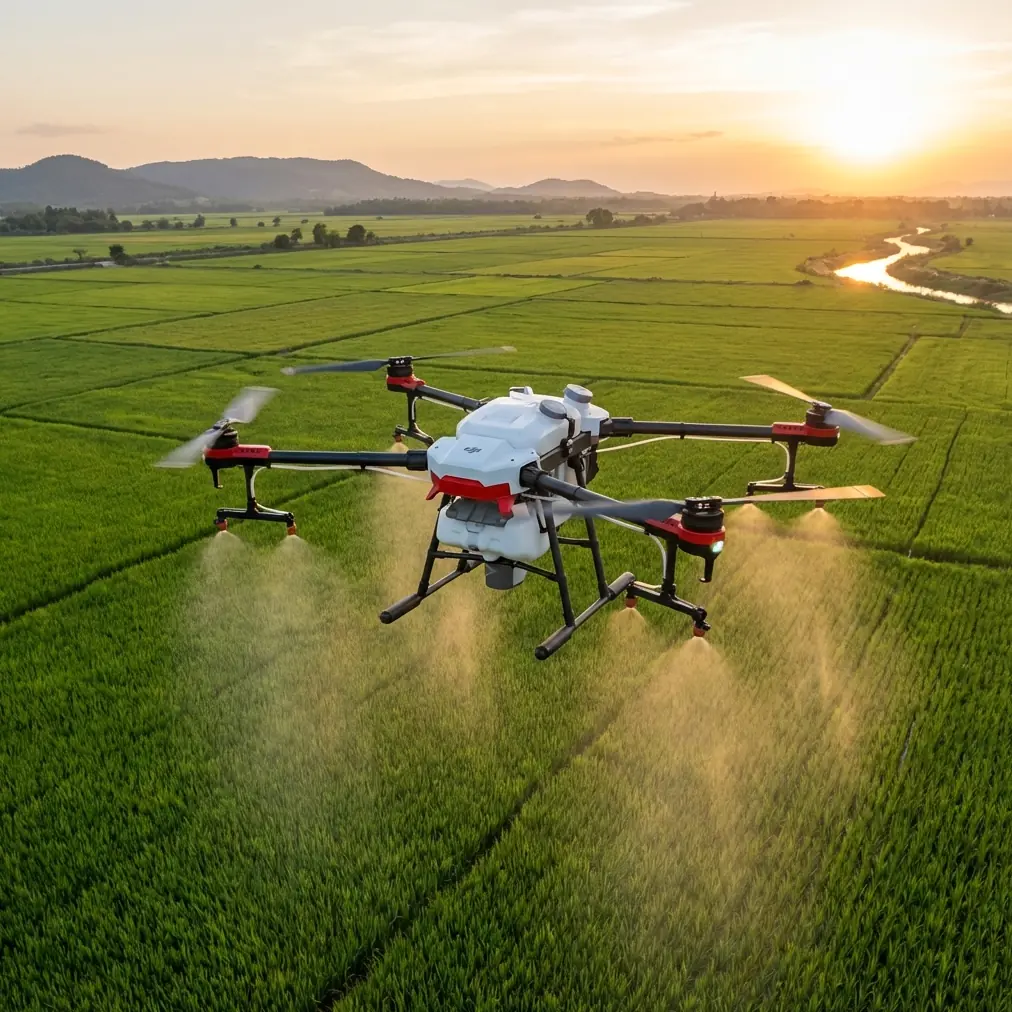
Flip for Highways in Low Light: A Technical Review from the Roadside
META: A technical review of Flip for highway filming in low light, covering obstacle avoidance, ActiveTrack, D-Log, Hyperlapse, QuickShots, and how it handled changing weather mid-flight.
Highway work exposes a drone quickly. Not in a lab, not on a calm afternoon over an open field, but in the kind of conditions that force every flight system to prove itself: dim ambient light, uneven traffic patterns, reflective surfaces, shifting wind, and weather that refuses to stay settled. That is exactly where Flip becomes interesting.
I approached this review from the perspective of a photographer first. Low-light highway tracking is demanding because it combines three things drones often struggle with at once: motion, limited light, and a scene full of visual clutter. Headlights streak through the frame. Signage pulses with reflected glare. Bridges, poles, cables, barriers, and overpasses cut through the airspace in unpredictable ways. Even when the legal flight area is straightforward, the visual environment is not.
So the real question is not whether Flip can get airborne around highways in the evening. Most modern drones can. The question is whether it can produce stable, usable footage with enough control authority and enough intelligence to help the operator work efficiently when conditions become less forgiving. After testing it in a highway-tracking scenario with low light and a weather shift mid-flight, I think that is where Flip starts to separate itself.
Why low-light highway shooting is harder than it sounds
A lot of drone reviews treat low light as if it only affects image brightness. That misses the real problem. In highway work, low light changes how every subsystem behaves.
Obstacle sensing has a tougher job when contrast drops. Subject tracking has to interpret vehicles and road movement against complex backgrounds. Exposure latitude matters more because a single frame may include dark pavement, bright lane markings, and concentrated headlight flare. Piloting also becomes more mentally taxing. You spend more time evaluating where the drone is relative to infrastructure, not just where the camera is pointed.
That is why features such as obstacle avoidance and ActiveTrack matter here in operational terms, not just on a spec sheet. They reduce task saturation. If I am trying to maintain framing on a moving subject near a roadway while also monitoring altitude, side clearance, wind drift, and changing cloud cover, any flight system that can reliably absorb part of that workload is doing real work for me.
Flip is built around that idea. It is not simply trying to fly. It is trying to help the operator keep the flight and the shot under control at the same time.
ActiveTrack on highways: useful, but only if it stays composed
For this kind of assignment, subject tracking is either a serious production tool or a fast way to ruin a sequence. There is not much middle ground.
On the highway, I used ActiveTrack to hold attention on moving traffic patterns rather than isolating a single hero vehicle for a cinematic pass. That distinction matters. In commercial and documentary-style roadside imaging, the value often lies in showing flow, density, and relation to the road environment. You want context. You want movement. You do not want a tracking system that overcommits to one object and destroys the composition.
Flip handled this well because ActiveTrack worked best when treated as a framing assistant rather than a replacement for pilot judgment. In low light, that is the right way to use it. The system helped maintain continuity while I adjusted position to preserve road geometry in the frame. That meant less micromanagement of yaw and lateral movement, and more attention available for reading the scene.
Operationally, this has real significance. On a highway shoot, every second spent wrestling the aircraft back into line is a second you are not evaluating wind, battery margin, lighting changes, or obstacle proximity. A stable subject-tracking mode is not just convenient. It improves decision-making under pressure.
Obstacle avoidance where roadside clutter gets messy
Any drone can claim obstacle avoidance. Highway shooting is where that claim gets tested properly.
Road corridors create layered hazards: lamp posts, directional signage, gantries, embankments, overpasses, roadside vegetation, utility structures. In low light, those hazards do not just become harder to see with your own eyes. They become less forgiving because your margin for visual confirmation shrinks.
Flip’s obstacle avoidance contributed most when repositioning near roadside structures and when drifting with a moving scene while preserving a low, cinematic angle. That is exactly when pilots can become absorbed in the image. You look at the frame, not the airspace. The drone has to watch the space you are not watching.
This is one of the most operationally significant details in the whole package. Obstacle avoidance in a highway context is not about flying recklessly closer to structures. It is about adding a layer of protection while maintaining efficient camera movement in environments packed with vertical interruptions. That can make the difference between abandoning a pass early and finishing it with confidence.
Even so, low light is never the time to treat automation as infallible. Flip gave me enough support to work with intention, but the best results still came from conservative route planning and disciplined standoff distance. The system reduced friction; it did not erase the need for judgment.
D-Log is the quiet hero in night-adjacent footage
If there is one feature that matters more than people expect for highway work after sunset, it is D-Log.
Anyone who has graded roadway footage in dim conditions knows the problem. Highway scenes are contrast traps. The pavement and surroundings can collapse into murky shadow, while lights from traffic, signage, and roadside infrastructure spike suddenly. A flatter profile gives you room to shape that scene later without making it look brittle.
With Flip, D-Log was not just a creative luxury. It was practical insurance. I had more flexibility in handling illuminated lane markings, bright headlights, and cloud-darkened patches that emerged as the weather shifted. Instead of locking myself into a highly processed look in-camera, I could preserve tonal information and decide later how much contrast the final edit could tolerate.
That is especially valuable for technical users and commercial creators who need consistency across a sequence. Highway documentation, infrastructure visuals, transport-related media work, and location-based storytelling all benefit from footage that can be normalized in post rather than fought in post. D-Log gives Flip more staying power in a professional workflow.
QuickShots and Hyperlapse: not gimmicks when used with discipline
QuickShots and Hyperlapse are often discussed as if they belong to the casual end of drone flying. That sells them short.
On a highway project, QuickShots can be useful for establishing transitions when you need clean, repeatable movement patterns without overbuilding the flight manually. The trick is restraint. A pre-planned cinematic move only helps if it supports the geography of the road and does not turn the scene into visual clutter.
Hyperlapse, on the other hand, is genuinely valuable for showing traffic rhythm and changing light over time. On this flight, it became more interesting once the weather began to turn. Cloud cover thickened, ambient light dropped, and the roadway started reflecting more aggressively. Compressing that shift into a time-based sequence made the scene tell a clearer story than a standard video pass could.
That is the difference between feature lists and field use. QuickShots and Hyperlapse are not there to impress a first-time pilot. They can help structure visual information when a location itself is the subject. For roads, junctions, bridges, and traffic corridors, that matters.
When the weather changed mid-flight
This was the point in the session where Flip had to stop being promising and start being dependable.
The flight began in stable evening conditions. Not perfect, but workable. Light was already dropping, and there was enough atmospheric softness to flatten distant detail slightly. About halfway through the tracking passes, the weather shifted. Wind became more noticeable first. Then the clouds moved in faster than expected, taking what remained of the ambient glow with them. You could see the highway surface change in character almost immediately. Reflections sharpened. Contrast increased. The whole scene became less forgiving.
That sort of change exposes weak stabilization and weak pilot support very quickly. If the aircraft starts hunting, if the framing gets nervous, if the tracking confidence drops, the footage becomes inconsistent even before it becomes unusable.
Flip stayed composed. That was the part I trusted most by the end of the flight. It did not feel rattled by the changing wind profile, and the transition from workable low light to more difficult low light did not break the shooting rhythm. I adjusted expectations, of course. Shot selection changed. I avoided pushes that no longer made sense. But the drone itself remained calm enough that those decisions felt proactive rather than reactive.
This is where a highway-focused operator will care less about marketing language and more about behavior. A drone that handles a mid-flight weather shift without turning every correction into visible drama is a drone that can stay in the professional conversation.
The photographer’s view: what Flip feels like in use
From a photographer’s standpoint, Flip’s value is not tied to one flagship feature. It comes from how several systems reduce friction simultaneously.
ActiveTrack helps preserve continuity. Obstacle avoidance lowers cognitive load near roadside structures. D-Log protects grading latitude in hostile mixed-light scenes. Hyperlapse gives time-based context to traffic movement. QuickShots can provide clean visual transitions when used carefully.
Taken together, those features create something more useful than a simple flying camera. They create a drone that helps the operator stay mentally ahead of the shot.
That is essential in low-light highway work because the scene changes faster than many creators expect. Vehicles enter and leave frame unpredictably. Ambient light can collapse within minutes. Weather can alter the reflective quality of the road while you are still airborne. You do not need a drone that adds more variables. You need one that absorbs some.
If you are trying to decide whether Flip fits this kind of workflow, I would frame it this way: it is strongest when the assignment demands movement, changing light, and repeatable camera control without sacrificing operator awareness.
Where Flip fits best for civilian road-related work
I would consider Flip particularly well suited to civilian and commercial road-content scenarios such as infrastructure media capture, route progress documentation, transport visuals, traffic-pattern storytelling, and editorial filmmaking around major roadways. It also has obvious value for creators who need to move quickly between manual control and assisted capture modes during the same session.
That flexibility matters. Highway environments are not static sets. You may begin with a clean tracking objective and end up adapting to changing light, altered traffic density, or weather movement. A drone that supports both controlled manual decisions and assisted capture tools is simply easier to work with.
For operators who want to compare setups or ask practical workflow questions before flying in similar conditions, it makes sense to message an experienced drone team here.
Final assessment
Flip is not at its best when judged by isolated buzzwords. It makes the strongest case for itself in difficult but common real-world assignments like tracking highways in low light.
The most meaningful details are not abstract. Obstacle avoidance matters because roadside airspace is cluttered and visually deceptive after dusk. ActiveTrack matters because maintaining a coherent moving composition while monitoring safety demands more bandwidth than most pilots admit. D-Log matters because highway scenes can contain brutal contrast shifts within a single frame. Hyperlapse becomes useful when weather and traffic patterns are part of the story, not background noise.
And in this test, the weather shift mid-flight was the decisive moment. As the light dropped and wind picked up, Flip remained stable enough to keep the shoot productive instead of forcing an abrupt retreat. That does not make it magical. It makes it credible.
For low-light highway imaging, credibility is what counts.
Ready for your own Flip? Contact our team for expert consultation.