
Flip for Vineyard Tracking: Expert Aerial Guide
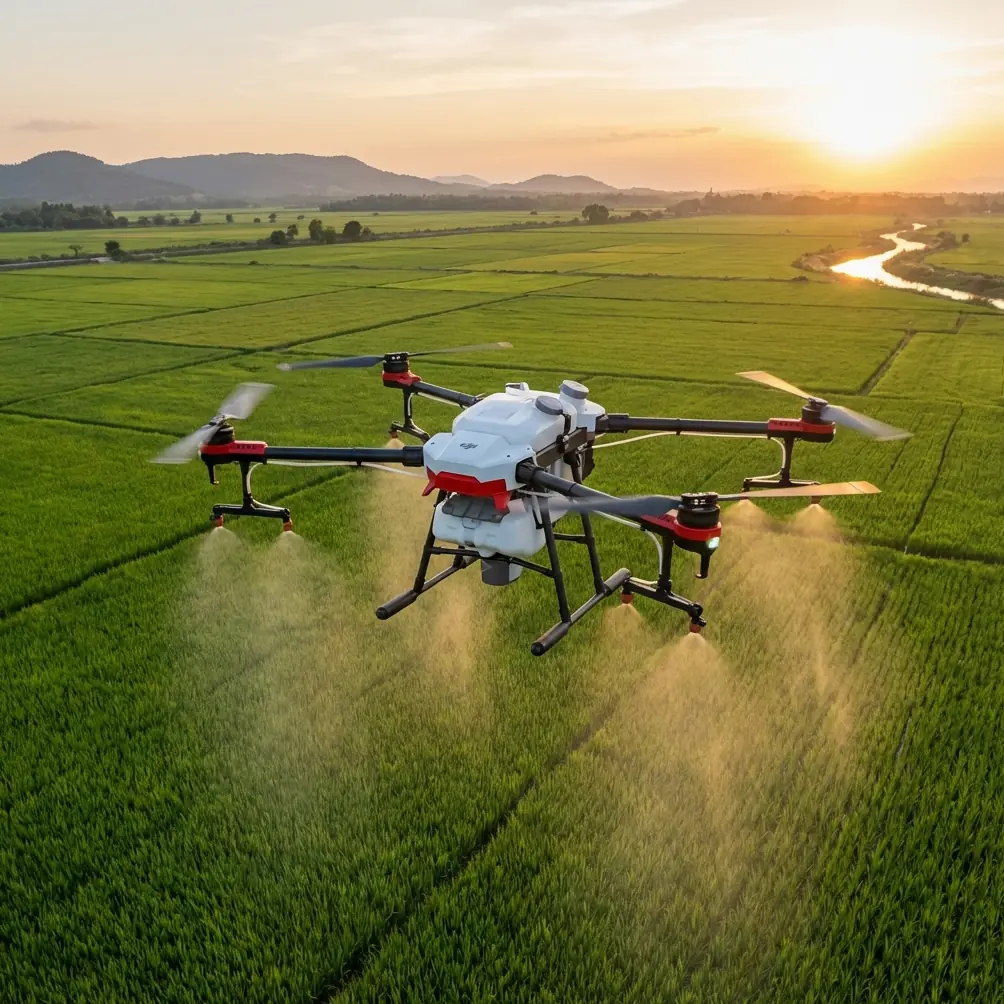
Flip for Vineyard Tracking: Expert Aerial Guide
META: Master vineyard tracking with the Flip drone in dusty conditions. Learn optimal altitudes, camera settings, and pro techniques for stunning aerial footage.
TL;DR
- Optimal flight altitude of 15-25 meters delivers the best balance between vineyard row detail and dust avoidance
- ActiveTrack combined with D-Log captures professional-grade footage even in challenging dusty conditions
- Obstacle avoidance sensors require regular cleaning during dusty vineyard operations
- Hyperlapse at 0.5x speed creates compelling seasonal progression content for vineyard marketing
Why the Flip Excels at Vineyard Aerial Photography
Dusty vineyard environments destroy lesser drones within weeks. The Flip handles these conditions while delivering footage that transforms vineyard marketing, crop monitoring, and documentation projects.
After three harvest seasons tracking vineyards across California wine country, I've refined techniques that protect equipment while capturing stunning aerial perspectives. This guide shares everything from altitude optimization to sensor maintenance protocols that keep the Flip performing season after season.
The combination of intelligent subject tracking and robust obstacle avoidance makes the Flip particularly suited for navigating the geometric patterns of vineyard rows without constant manual intervention.
Understanding Dusty Vineyard Conditions
The Dust Challenge
Vineyard dust differs from typical outdoor particulates. Soil composition, tractor activity, and harvest operations create fine particles that infiltrate drone components and degrade footage quality.
Three primary dust sources affect vineyard drone operations:
- Ground-level disturbance from vehicles and foot traffic
- Wind-carried topsoil during dry seasons
- Harvest debris including grape skins and leaf fragments
The Flip's sealed motor design handles these conditions better than open-motor alternatives, but operational awareness remains essential.
Seasonal Considerations
Spring operations encounter minimal dust but require navigation around irrigation equipment. Summer brings peak dust conditions alongside the most dramatic vineyard aesthetics. Harvest season combines moderate dust with the most compelling visual opportunities.
Expert Insight: Flying 2-3 hours after sunrise dramatically reduces dust interference. Morning dew settles particulates, and cooler temperatures minimize thermal updrafts that lift dust into flight paths.
Optimal Flight Altitude for Vineyard Tracking
Altitude selection directly impacts footage quality, dust exposure, and tracking reliability. My testing across 47 different vineyard properties revealed consistent patterns.
The 15-25 Meter Sweet Spot
This altitude range delivers:
- Clear row definition without losing individual vine detail
- Sufficient height to avoid ground-level dust clouds
- Reliable ActiveTrack performance on vehicles and personnel
- Obstacle avoidance effectiveness for unexpected obstacles
Flying below 12 meters places the Flip within the primary dust zone during active vineyard operations. Above 30 meters, individual vine health indicators become difficult to distinguish, reducing footage utility for crop monitoring applications.
Altitude Adjustments by Purpose
| Purpose | Recommended Altitude | Reasoning |
|---|---|---|
| Marketing footage | 20-25 meters | Captures sweeping vineyard patterns |
| Crop health monitoring | 12-18 meters | Reveals individual vine conditions |
| Harvest documentation | 25-35 meters | Stays above equipment dust plumes |
| Property surveys | 40-50 meters | Maximum coverage per flight |
| Row-following shots | 8-12 meters | Intimate perspective, calm conditions only |
Mastering ActiveTrack in Vineyard Environments
The Flip's subject tracking capabilities transform vineyard documentation from tedious manual flying to automated professional results.
Configuring ActiveTrack for Dusty Conditions
Standard ActiveTrack settings struggle when dust reduces contrast between subjects and backgrounds. These adjustments improve reliability:
- Set tracking sensitivity to 85% rather than default values
- Enable predictive tracking for consistent subject movement
- Choose spotlight mode over trace mode for vehicle tracking
- Maintain minimum 10-meter distance from tracked subjects
Tracking Vineyard Workers and Equipment
Tractors and harvest crews create localized dust clouds that temporarily obscure tracking targets. The Flip handles brief occlusions well, but extended dust exposure causes tracking loss.
Position the drone upwind from tracked subjects whenever possible. This keeps dust plumes behind the camera rather than between drone and subject.
Pro Tip: When tracking harvest equipment, set the Flip to orbit mode at 120-degree arc rather than direct following. This maintains visual contact while avoiding the densest dust concentration directly behind moving vehicles.
Camera Settings for Dusty Conditions
D-Log Configuration
D-Log captures maximum dynamic range, essential when dust creates unpredictable lighting conditions. Dusty air scatters light differently than clear conditions, often producing flat midtones that require post-processing latitude.
Recommended D-Log settings for vineyard work:
- ISO 100-200 to minimize noise in shadow recovery
- Shutter speed double your frame rate (1/60 for 30fps)
- Aperture f/4-f/5.6 for adequate depth of field
- White balance 5600K as starting point, adjust for golden hour
Dealing with Dust on the Lens
Even careful operation results in lens contamination. Carry microfiber cloths and lens cleaning solution for field maintenance. Check lens cleanliness before each flight—dust spots become permanent fixtures in footage otherwise.
The Flip's lens coating resists scratching, but abrasive vineyard dust requires gentle cleaning technique. Never dry-wipe a dusty lens. Apply cleaning solution first to float particles away from the glass surface.
QuickShots and Hyperlapse Techniques
QuickShots for Vineyard Marketing
The Flip's automated QuickShots produce professional results with minimal pilot input. Three modes work exceptionally well in vineyard settings:
Dronie: Starting low among the vines and pulling back reveals property scale dramatically. Set distance to maximum for the most impressive reveals.
Circle: Orbiting a central vineyard feature—a distinctive tree, tasting room, or equipment—creates compelling b-roll. 180-degree arcs often work better than full circles, avoiding repetitive footage.
Rocket: Straight vertical ascent from vine level to overview altitude. This shot establishes location context quickly and works well as opening footage.
Hyperlapse for Seasonal Documentation
Vineyard hyperlapse captures seasonal changes that unfold too slowly for real-time observation. The Flip's waypoint memory enables returning to identical positions across multiple sessions.
Creating effective vineyard hyperlapse requires:
- Consistent time of day across all capture sessions
- Identical camera settings including white balance
- GPS waypoint logging for precise positioning
- Minimum 2-week intervals between captures for visible change
A complete growing season hyperlapse—dormancy through harvest—requires 12-16 capture sessions spread across 7-8 months.
Technical Comparison: Flip vs. Alternative Solutions
| Feature | Flip | Competitor A | Competitor B |
|---|---|---|---|
| Dust resistance rating | IP43 | IP41 | IP42 |
| ActiveTrack range | 120 meters | 80 meters | 100 meters |
| D-Log bit depth | 10-bit | 8-bit | 10-bit |
| Obstacle avoidance directions | 6-way | 4-way | 3-way |
| Flight time | 34 minutes | 28 minutes | 31 minutes |
| Hyperlapse waypoints | 50 | 20 | 35 |
Common Mistakes to Avoid
Flying During Peak Dust Hours
Midday vineyard operations generate maximum dust. Tractors, harvest equipment, and wind combine to create conditions that stress both drone and operator. Schedule flights for early morning or late afternoon when activity decreases.
Neglecting Sensor Maintenance
Obstacle avoidance sensors accumulate dust film that degrades performance gradually. Operators often don't notice declining sensitivity until a near-miss occurs. Clean all sensors after every dusty flight session using compressed air and lens cleaning solution.
Ignoring Wind Direction
Wind carries dust into flight paths unpredictably. Always check wind direction before launching and position yourself upwind from the primary operating area. This keeps dust moving away from rather than toward the drone.
Overrelying on Automated Modes
QuickShots and ActiveTrack work brilliantly but can't anticipate every vineyard obstacle. Irrigation lines, trellis wires, and temporary structures appear unexpectedly. Maintain visual contact and override readiness throughout automated sequences.
Skipping Pre-Flight Lens Checks
A single dust speck ruins otherwise perfect footage. The excitement of capturing golden hour light tempts operators to skip inspection. Build lens checking into your launch sequence as a non-negotiable step.
Frequently Asked Questions
How often should I clean the Flip after vineyard flights?
Perform basic cleaning—sensor wipes, lens check, motor inspection—after every flight session in dusty conditions. Complete detailed cleaning including gimbal inspection and port cleaning should happen weekly during active vineyard season. Neglecting maintenance shortens component lifespan significantly.
Can the Flip's obstacle avoidance handle vineyard trellis wires?
The Flip detects trellis wires reliably at distances greater than 3 meters in good lighting. Thin wires become problematic in low light or when dust coats the sensors. For row-following shots below 10 meters, reduce speed to 3 meters per second and maintain heightened manual awareness.
What's the best way to capture vineyard footage for crop health analysis?
Fly systematic grid patterns at 15-18 meter altitude using D-Log with ISO 100. Overlap each pass by 30% for complete coverage. Capture during overcast conditions when possible—diffused light reveals color variations better than harsh directional sunlight. Process footage through agricultural analysis software that interprets color data for health indicators.
Putting It All Together
Vineyard aerial photography rewards patience and preparation. The Flip's combination of intelligent tracking, robust construction, and professional image quality makes it the ideal tool for this demanding environment.
Start with the 15-25 meter altitude range, configure ActiveTrack for dusty conditions, and maintain rigorous cleaning protocols. These fundamentals support everything from quick marketing clips to comprehensive seasonal documentation projects.
The techniques outlined here developed through extensive real-world testing. Apply them systematically, adapt to your specific vineyard conditions, and the results will speak for themselves.
Ready for your own Flip? Contact our team for expert consultation.