
Flip in the Vineyard at Dusk: A Low-Light Tracking Case
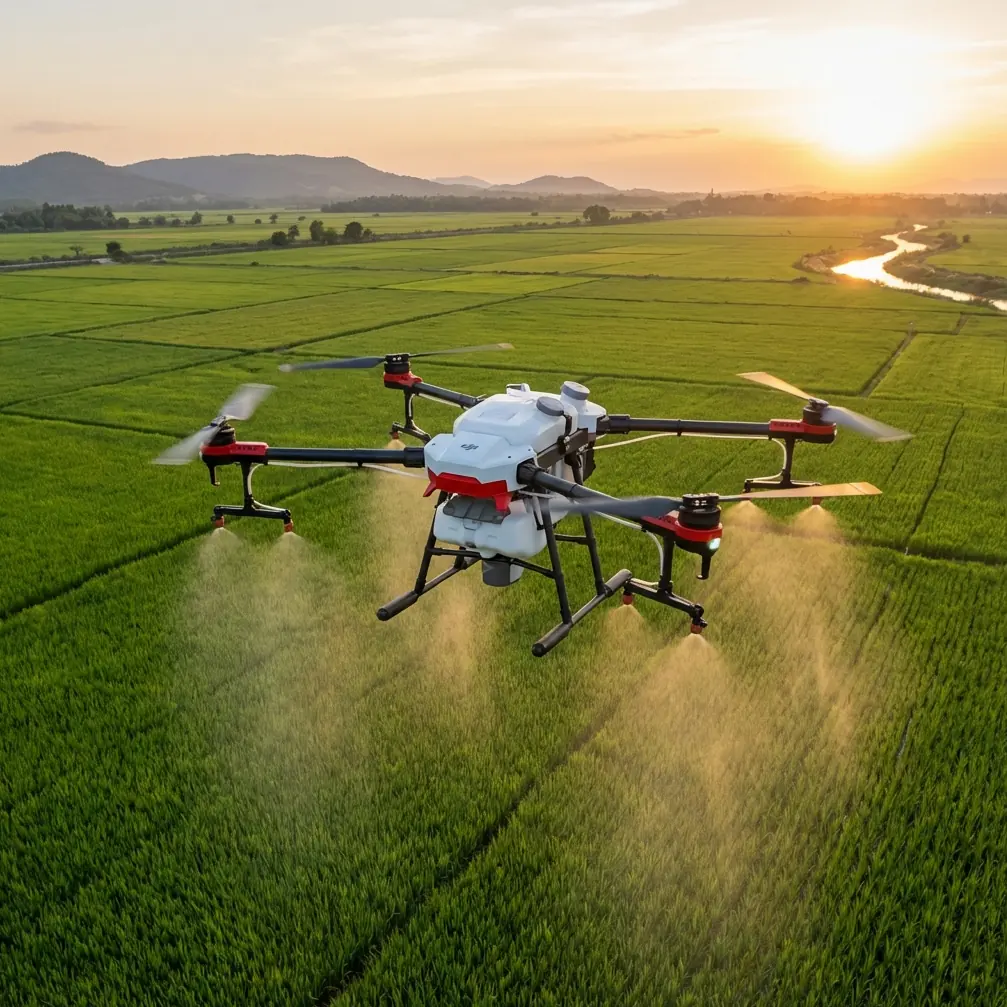
Flip in the Vineyard at Dusk: A Low-Light Tracking Case Study
META: A practical case study on using Flip for vineyard tracking in low light, covering obstacle avoidance, ActiveTrack, D-Log, Hyperlapse, and how it handled shifting weather mid-flight.
Late afternoon is easy. Vineyards look orderly, shadows are soft, and almost any modern drone can produce a pleasing image over clean rows of vines.
Dusk is where the real test begins.
This case study looks at how Flip performs when the assignment is not just “get a nice shot,” but follow motion across a vineyard in low light while conditions change in the air. The setting matters here: vine rows create repetitive patterns that can confuse visual tracking, trellis wires add thin obstacles that are hard to read from certain angles, and rolling terrain can shift the drone’s relative height quickly. Add a weather swing mid-flight and you have a far more revealing trial than a calm golden-hour demo.
I approached this as a creator and operator, but also with the practical mindset of someone who knows the footage has to be usable later. That means stable subject tracking, reliable obstacle behavior, color flexibility in post, and enough confidence in the aircraft to keep the flight focused on the scene instead of constant babysitting.
Why vineyards are a genuine low-light challenge
People who do not fly around agriculture often underestimate how demanding vineyards are. From above, they can seem structured and predictable. In practice, they are full of visual traps.
The rows repeat. The spaces between rows narrow and widen depending on lens perspective. Poles, wires, irrigation lines, and edge trees create layers that can interfere with autonomous movement. At dusk, contrast drops, and that changes how both tracking systems and obstacle sensing behave.
This is where features like obstacle avoidance and ActiveTrack stop being marketing terms and become operational tools.
If you are tracking a worker on a utility vehicle, a viticulture manager on foot, or even documenting a scouting route along the edge of the property, the drone needs to understand what the subject is, what the background is, and where the no-go geometry sits in three-dimensional space. In low light, those decisions become harder. A drone that performs well in this environment saves battery, saves retakes, and often saves the shot altogether.
The assignment
The goal was simple on paper: track movement through a vineyard near sunset, capture both cinematic and analytical angles, and keep rolling as weather shifted.
I planned the session around three output needs:
- A clean moving track of the subject through the rows
- Context shots showing block layout and terrain
- Flexible footage for grading, especially once the light dropped
That last point matters. Low-light vineyard footage can fall apart quickly if the file gives you no room to recover highlights in the sky while holding detail in the vines. That is why D-Log was part of the workflow rather than an afterthought. Shooting in a flatter profile gave me more control later when balancing the darker ground against the remaining ambient glow on the horizon.
Pre-flight thinking: trust, but verify
Before launch, the most relevant features were not the flashy creative modes. They were the practical ones.
Obstacle avoidance
In a vineyard, obstacle avoidance is not just for dramatic emergency saves. It affects route confidence. Thin structures and irregular boundaries mean the drone is constantly making micro-decisions. If the system is too timid, your track becomes hesitant and ugly. If it is too aggressive, you risk forcing the aircraft into poor positions around wires, posts, or boundary trees.
ActiveTrack and subject tracking
The core question was whether Flip could hold a moving subject against a repetitive agricultural background. Vineyards are visually busy in a very organized way. That sounds contradictory, but every operator who has tracked in crop rows knows the issue: the scene is full of similar lines and textures, which can make it easier for a subject to blend into the geometry as light fades.
QuickShots and Hyperlapse
These were secondary tools, but useful. QuickShots can help produce short establishing clips without manually flying every move, and Hyperlapse can be valuable for showing a weather shift over a field block. The key is not using them because they exist, but because they solve a storytelling problem. In this case, I wanted a concise reveal of the vineyard’s shape before moving into the lower, more intimate tracking work.
The first half of the flight: calm light, predictable movement
The opening passes were straightforward. I started with broad, elevated lines over the vineyard perimeter to establish the slope and row orientation. Flip held position well enough that framing decisions stayed in my hands instead of becoming constant corrections.
From there I dropped lower and began tracking a walking subject moving diagonally across the ends of several rows. This is where ActiveTrack had to prove itself.
It did. Not perfectly in a magical sense, but in the way good tools earn trust: by staying coherent when the background was trying to pull attention away from the subject. The subject remained the visual priority even when passing near row ends and vertical support structures. That operationally matters because low-light tracking failures often happen at transitions, not in straight clean motion. Anyone can track a person centered in an empty path. The real test is when the scene gets cluttered and the light level starts sliding.
What stood out was how this reduced pilot workload. I was still supervising the shot, still ready to intervene, but not fighting the aircraft every second. That left more attention available for composition and safety.
When the weather changed mid-flight
Then the assignment got interesting.
A breeze that had been intermittent turned more consistent, and a layer of cloud moved over the remaining sun faster than expected. In a vineyard, that changes the scene immediately. Contrast drops. Shadows flatten. The visible separation between row, soil, and canopy weakens. If there is any moisture in the air, distant detail can soften at the same time.
This is exactly the kind of moment where a flight either ends early or reveals what the drone is really capable of.
Flip handled the change better than many pilots would expect from a lightweight, creator-friendly platform. The aircraft did not become visually confused just because the scene lost some of its contrast. Tracking remained usable, and obstacle behavior stayed measured rather than erratic.
That distinction is worth pausing on.
A drone does not need to be fearless in changing weather. It needs to be predictable. Predictability is what allows a pilot to decide whether to continue, reposition, or abort. During this weather shift, Flip gave enough consistency that I could adjust the shot plan rather than scrap it. I moved from lower row-following passes into slightly more open lateral tracks near the vineyard edge, where obstacle geometry was simpler and the changing sky became part of the frame.
That is a real operational lesson. The best response to deteriorating visual conditions is often not “push on with the original route.” It is “change the route to keep the mission safe and the footage valuable.” Flip made that pivot practical.
D-Log mattered more after the clouds rolled in
Once the cloud cover thickened, the footage challenge changed from warm dusk color to compressed tonal separation. Vine leaves, posts, soil, and jackets can all start converging into the same murky range if the recording profile gives you little latitude.
D-Log earned its place here.
With a flatter file, I had more room to pull back shape in the vines and hold the remaining sky texture without forcing the image into harsh contrast. For vineyard work, that matters beyond aesthetics. If the footage is being used to communicate canopy condition, block layout, or route context to a client or farm team, muddy tonal rendering reduces usefulness. Even creator-led work benefits from retaining that structure.
This was not about making the image look artificially dramatic. It was about preserving information. In a low-light agricultural environment, that can be the difference between footage that simply feels dark and footage that still reads clearly.
QuickShots and Hyperlapse: useful, but only in the right moments
I used QuickShots early, when the air was calmer and the light still defined the landforms. The result was a compact establishing sequence that would have taken longer to build manually. In a case-study workflow, that efficiency matters because you want to spend your best battery time on the custom tracking passes, not on repeatable setup moves.
Hyperlapse became more interesting after the weather shift. A vineyard under changing cloud cover can tell a story in just a few seconds if the rows, sky, and moving shadows compress well. This mode was less about technical inspection and more about communicating atmosphere and timing. For a winery, vineyard manager, or content team documenting conditions over an evening work window, that can be a strong add-on asset.
The key point is this: these modes are most valuable when they support the mission, not when they distract from it. Flip benefits from having them, but the real value in this session still came from stable tracking and sensible aircraft behavior in dimmer, more complex conditions.
What low-light vineyard operators should pay attention to
A few lessons from this flight stand out.
1. Repetitive crop geometry is harder than it looks
Rows of vines can challenge subject tracking because the environment is highly patterned. ActiveTrack’s ability to stay with a subject in that setting is not a small convenience. It directly affects whether a shot is usable on the first attempt.
2. Obstacle avoidance changes how confidently you can frame
In vineyards, you are rarely far from posts, wires, tree edges, or terrain changes. Obstacle awareness is not just a safety layer. It influences whether you can commit to lower, more immersive camera positions without turning the flight into a stressful series of corrections.
3. Weather shifts reveal the difference between smooth demos and real work
The mid-flight cloud and wind change turned this from a routine evening capture into a valid field test. Flip’s behavior stayed composed enough to support a revised plan. That is exactly what operators need in commercial environments: not perfection, but dependable response.
4. D-Log is not just for stylized color work
In low light, a flatter profile helps retain structure in scenes where everything starts collapsing into darkness. For vineyards, where texture and separation matter, that flexibility is practical.
Where Flip fits in a vineyard workflow
Flip makes sense for vineyard users who need more than a casual overhead view but do not want every flight to feel like a high-burden production. That includes creators documenting estate life, farm teams capturing visual updates, hospitality brands building location footage, and consultants needing repeatable aerial context around dusk or during long workdays.
It is especially compelling when the work includes motion. A parked top-down shot tells you one thing. A clean tracked pass beside a moving subject tells you much more about terrain, access, pace, and environment.
If you are evaluating whether Flip suits your own vineyard conditions, a practical next step is to discuss your row spacing, terrain profile, and intended capture style with someone who actually understands this kind of flying. If that would help, you can message a drone specialist here.
Final take from the field
The strongest result from this session was not a single hero clip. It was the overall pattern of behavior.
Flip stayed useful as the light dropped. It tracked through a visually repetitive environment. It gave obstacle-related confidence in a place full of slender structures and changing relative height. And when the weather shifted mid-flight, it remained stable enough to support a change in plan instead of forcing an early stop.
That combination is what makes a drone worth talking about. Not because it can perform under ideal conditions, but because it keeps producing when the scene gets less forgiving.
For vineyard tracking in low light, that is the real threshold.
Ready for your own Flip? Contact our team for expert consultation.