
Flip in Dusty Field Tracking: What Utility Drone Inspection
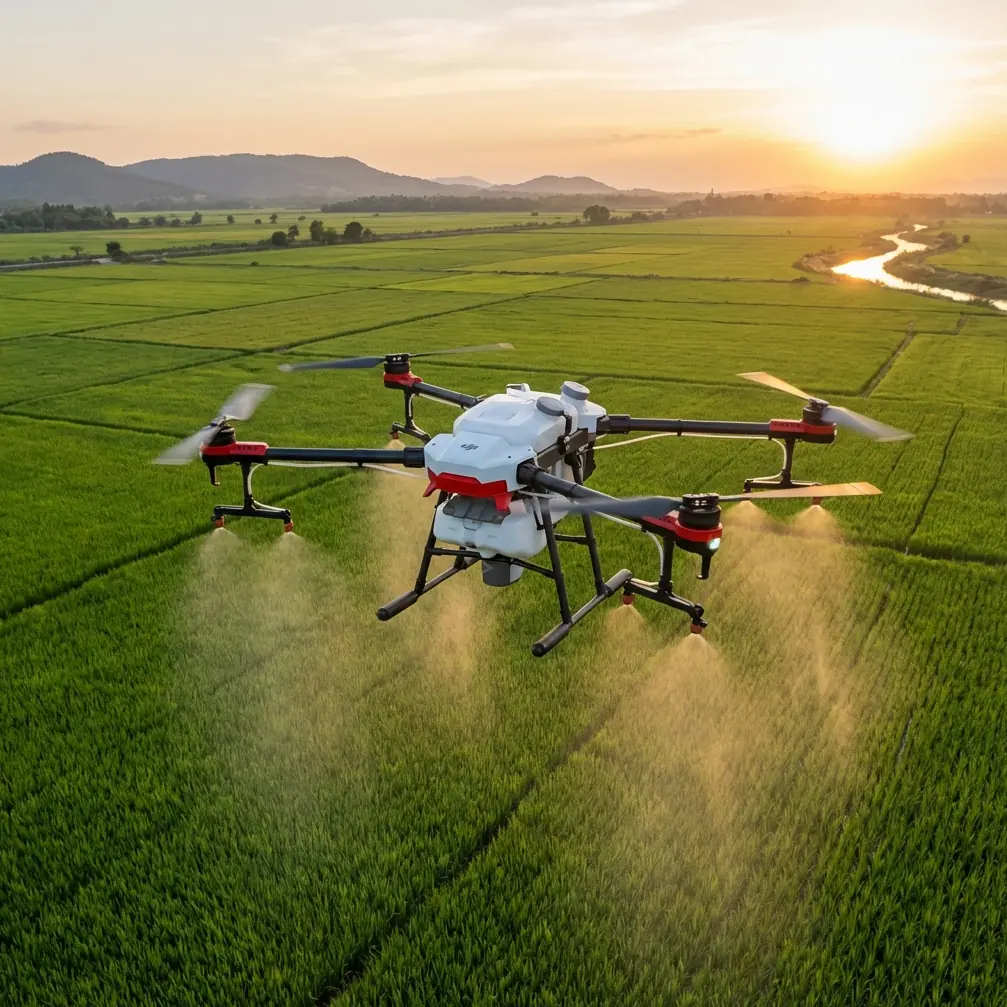
Flip in Dusty Field Tracking: What Utility Drone Inspection Teaches Us About Real-World Reliability
META: A technical review of Flip for wildlife tracking in dusty terrain, using lessons from long-range utility line drone inspections, autonomous flight planning, wind resistance, thermal workflows, and signal management.
I spend a lot of time around cameras, moving subjects, and places that don’t care about ideal operating conditions. Dusty grasslands, broken access roads, unstable weather, long sightlines, and the constant tension between getting the shot and preserving a safe flight envelope. That is why Flip becomes interesting only when you stop looking at it as a lifestyle gadget and start judging it like a field tool.
One of the clearest ways to do that is by borrowing standards from a harder category of operations: infrastructure inspection.
A reference case from high-voltage line inspection lays out the kind of environment that separates marketing from actual capability. The project involved a 500 kV transmission corridor stretching 205 kilometers, with 25 kilometers running through sparsely populated, hard-to-access terrain. Climate variability, rough roads, and remote conditions made manual inspection difficult and inefficient. That matters for anyone considering Flip in dusty wildlife tracking, because the same environmental pressures show up in a different costume: poor access, unstable air, visibility problems, and the need to collect usable imagery without repeatedly repositioning people on the ground.
The lesson is simple. The drone is not the story. The system around the drone is.
Why a utility inspection reference matters for Flip
At first glance, powerline inspection and wildlife tracking seem unrelated. One is industrial asset management. The other is observational imaging in natural terrain. But operationally, they overlap more than most buyers realize.
Both demand:
- stable flight in changing wind
- reliable image acquisition over uneven ground
- safe navigation where roads are limited
- enough autonomy to reduce pilot workload
- data capture that stays useful after the mission
The inspection reference specifically highlights preparation in relay communications, wind-resistance testing, and high-altitude mountain route design. Those are not abstract engineering notes. They map directly onto what a Flip operator needs to think about when tracking animals in dusty regions.
Relay communication planning tells you something crucial: signal integrity is often the hidden bottleneck. In open terrain, people assume radio links should be easy. In practice, antenna orientation, terrain undulation, vegetation, rock formations, and even vehicle position can degrade link quality. If you’re using Flip for subject tracking, especially while following lateral movement across a broad field or scrubland, electromagnetic interference and poor antenna alignment can quietly undermine your confidence before the aircraft itself reaches its limits.
I’ve seen this firsthand. A pilot blames the drone, when the actual problem is how the controller antennas are pointed relative to the aircraft’s path. Small adjustments matter. In environments with interference sources or partial obstructions, reorienting the antennas to maintain a cleaner geometry with the aircraft can stabilize video transmission and improve responsiveness. That sounds minor until you’re trying to hold a moving subject with ActiveTrack through dust haze and shifting light.
Dust changes everything, especially for tracking
Dust does not just reduce image clarity. It changes how you operate.
It softens contrast. It can confuse visual interpretation at a distance. It affects takeoff and landing discipline. It raises the importance of obstacle avoidance performance because depth cues become less obvious, particularly near shrubs, low branches, fencing, or uneven ridgelines. If Flip is going to earn its place in wildlife work, it needs to be evaluated on how well its tracking and autonomy features reduce pilot workload without increasing exposure to avoidable risks.
That is where features like ActiveTrack, subject tracking, and obstacle avoidance become more than convenience labels. In dusty tracking scenarios, the camera operator is often juggling composition, movement prediction, and terrain awareness at the same time. Reliable tracking helps preserve framing while the pilot remains free to monitor flight path and line of sight. Good obstacle sensing becomes a buffer against the kind of low-contrast mistakes that happen when dust reduces environmental definition.
This is the same operational logic behind the inspection reference’s preference for different aircraft types for different jobs. The source distinguishes between multi-rotor platforms for short-range detailed inspection and fixed-wing aircraft for long-distance general survey. That division is important. It shows mature mission design: choose the platform based on the imaging task, not the brochure.
For Flip users, the practical takeaway is to stop expecting one flight style to solve every field assignment. If you’re tracking wildlife in a concentrated area, using controlled passes, hover-based observation, and short pursuit sequences makes sense. If you’re trying to cover broad habitat corridors continuously, you need to be more conservative about distance, battery strategy, and framing expectations. Mission design comes first.
Hover capability still matters more than people admit
The reference material emphasizes a multi-rotor advantage that often gets overlooked in consumer-oriented conversations: stationary hover for close inspection. In utility work, that allows operators to stop over a problem area and document it carefully. In wildlife tracking, the same capability is valuable for behavior observation.
You do not always want motion. Sometimes the best result comes from arriving early, holding position, and letting the subject settle into natural movement. A drone that can hover predictably in gusty, dusty air gives a photographer or field observer more control over both image quality and animal disturbance.
That also affects how I judge QuickShots and Hyperlapse on Flip. These modes are often discussed as creative extras, but in the field they can serve a more serious purpose when used carefully. QuickShots can help execute repeatable motion patterns around a static or slowly moving environmental subject, useful for habitat context. Hyperlapse can compress environmental change—wind movement, herd migration pacing, dust plumes across a plain—into a readable visual sequence. But neither mode matters if basic hold stability is weak.
The inspection reference gives us a benchmark mindset here. Its listed six-rotor aircraft specifications include wind resistance up to level 6, operating temperatures from -10 to 40°C, and maximum operating altitude up to 4,000 meters above sea level. Flip is not that aircraft, and it should not be judged as if it were. Still, those numbers reveal what professional users care about: not theoretical specs, but whether the aircraft keeps working when weather, terrain, and altitude stop being friendly.
For dusty wildlife tracking, that means your Flip review should focus on three questions:
- How stable is it in crosswind near ground-level turbulence?
- Does tracking remain dependable when dust lowers contrast?
- Can you maintain a clean signal path and predictable control in remote terrain?
If you cannot answer those confidently, no cinematic mode will rescue the mission.
Autonomous routes reduce fatigue, but only if you trust the setup
Another key detail from the source is fully autonomous flight after route setup, with real-time image transmission to the ground station. In infrastructure inspection, that reduces human burden and improves consistency over repetitive routes. In wildlife or conservation imaging, autonomy can do something similar when you need structured observation over known animal paths, watering points, or habitat edges.
This is where Flip’s autonomous functions deserve closer attention than they usually get. The strongest use case is not replacing the pilot. It is reducing repetitive manual corrections so the pilot can think. Subject tracking, route planning, and automated camera behavior can free up mental bandwidth for wind assessment, safe separation, and situational awareness.
But autonomy in dusty terrain only works if you plan for interference and visibility loss. This is where my field habit of checking controller antenna orientation before launch becomes non-negotiable. If you’re seeing inconsistent transmission while the aircraft remains physically close, it is worth revisiting antenna angle, your own body position, nearby metal structures, parked vehicles, and any elevated terrain breaking the link geometry. The problem may be environmental coupling, not aircraft quality.
If you want a practical field conversation about that kind of setup, I’d point you to this direct WhatsApp field support channel: https://wa.me/85255379740. Not for hype—for troubleshooting the little operational choices that decide whether a mission feels easy or fragile.
Thermal thinking has a place, even when you’re shooting visible light
The reference also mentions infrared night imaging for identifying temperature anomalies during utility inspection. In that original context, thermal imaging helps confirm abnormal heat signatures across a network. In wildlife work, the broader significance is not that Flip should imitate a utility thermal platform, but that imaging value often comes from seeing what the eye alone misses.
That’s why image profile flexibility matters. If Flip offers D-Log, that is not just a color-grading perk for filmmakers. In dusty conditions, flatter capture profiles can preserve more usable highlight and shadow information for later recovery, especially in scenes with pale ground, reflective haze, and dark moving subjects. Dusty environments often create deceptive dynamic range: bright ambient scatter plus low-contrast detail on the subject. A more flexible profile gives you a better chance of recovering texture and tonal separation in post.
For a photographer, this changes the workflow. You stop asking whether the camera looks vivid on the controller screen and start asking whether the file will survive editing.
Range and endurance should be interpreted correctly
The source specs for the six-rotor inspection platform include a 3-kilometer flight radius, top speed of 50 km/h, and endurance figures reaching 50 minutes unloaded, around 40 minutes with 500 grams, and 30 minutes with 3 kilograms. Those figures are from a different class of aircraft, but they teach an essential truth: payload and mission profile define endurance more than marketing estimates do.
That is useful when evaluating Flip for wildlife tracking. Dusty outdoor work often includes repeated acceleration, braking, course correction, and hovering—exactly the kind of flight behavior that eats battery faster than straight-line transit. Add wind, altitude, and cautious re-positioning around animals, and your practical endurance shrinks further.
So the intelligent way to use Flip is not to chase maximum stated flight time. It is to build missions around reserve power. Plan shorter sorties. Land cleaner than you think you need to. In dust, every rushed landing becomes an avoidable risk to optics, motors, and footage quality.
The real test: can Flip lower the operator’s burden?
The most valuable sentence in the inspection reference is not a spec line. It is the operational claim that drones can reduce manual labor while improving inspection quality and efficiency in hard-to-access areas. That should be the standard for Flip as well.
For dusty wildlife tracking, Flip succeeds if it does three things at once:
- reduces the need for difficult ground repositioning
- captures stable, information-rich imagery under imperfect conditions
- lowers pilot workload through trustworthy tracking and flight assistance
That last point is bigger than it sounds. When a drone is easy to trust, the operator sees more. You spend less time micromanaging stick inputs and more time noticing behavior, terrain, light, and timing. That is where good field images come from.
My verdict on Flip for dusty tracking
If I look at Flip through the lens of industrial drone logic rather than lifestyle promotion, it becomes more compelling. Not because it turns into a utility inspection aircraft, but because the right questions surface quickly.
Can it maintain stable tracking when visibility is degraded by dust? Can obstacle avoidance stay useful in low-contrast terrain? Can you manage electromagnetic interference and signal quality with disciplined antenna positioning? Can autonomy reduce fatigue without making you complacent? Can D-Log or comparable capture flexibility preserve detail when dust flattens the scene?
Those are the right questions because they come from real field constraints, not showroom assumptions.
The utility inspection reference proves something many drone buyers learn late: aircraft specs matter, but preparation matters more. The teams in that case did not simply fly into remote terrain and hope for the best. They planned communications, tested wind tolerance, and designed routes for high-altitude conditions before scaling coverage across difficult sections of a 205-kilometer corridor.
That mindset is exactly what makes Flip useful in dusty wildlife tracking. Not blind confidence. Structured confidence.
Bring the right mission plan. Respect the air. Watch your signal geometry. Use tracking features as tools, not crutches. And judge the footage later, on a real screen, where dust, contrast, and motion tell the truth.
Ready for your own Flip? Contact our team for expert consultation.